



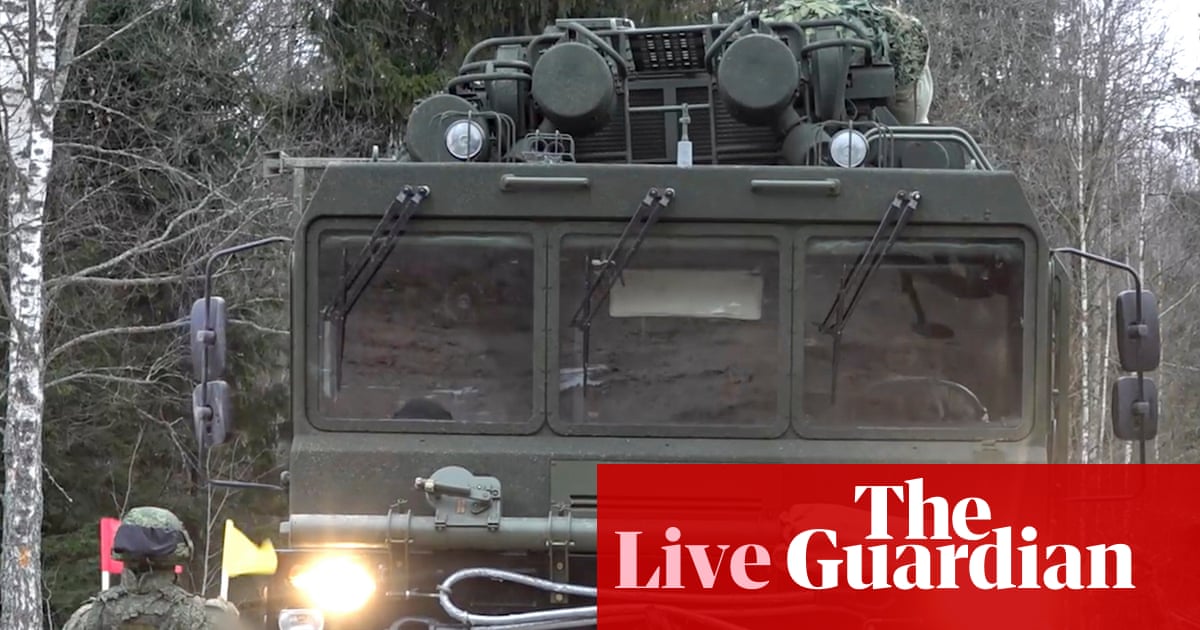
Russia Moves Oreshnik Missiles into Belarus: Analyzing the Implications
In a significant escalation of military posturing, Russia has declared that its nuclear-capable Oreshnik missiles are now operational in Belarus. This development not only underscores the close military ties between Moscow and its ally Minsk but also raises serious concerns about regional security, particularly for NATO countries like Poland, Lithuania, and Latvia.
The Strategic Implications
The deployment of the Oreshnik missiles could drastically alter the military landscape in Eastern Europe. Here are some key implications of this move:
- Rapid Response Capability: The Oreshnik missiles are touted to travel at speeds exceeding ten times the speed of sound, making them difficult to intercept. This capability could provide Russia with the ability to strike European targets more quickly.
- Extended Range: With a range of approximately 5,500 kilometers, these missiles could potentially target locations across Europe and even reach the west coast of the United States.
- NATO’s Response: The positioning of such powerful weapons in Belarus poses a direct threat to NATO allies, likely prompting a review of defensive strategies in the region.
Belarus: A Key Ally
The Belarusian government, led by President Alexander Lukashenko, has long been a staunch ally of Russia. This partnership has solidified further since the onset of the war in Ukraine, with Belarus serving as a critical launch pad for Russian military operations. Notably, Lukashenko has indicated that up to ten Oreshnik systems will be stationed in Belarus, further entrenching this alliance.
The International Reaction
Responses from the international community have been swift:
- U.S. Concerns: The Biden administration is likely to view this development as a serious threat, resulting in increased military support for Ukraine and heightened vigilance among NATO forces.
- European Diplomacy: European leaders are expected to convene to discuss collective responses to this new threat, with potential sanctions or military readiness measures on the agenda.
- Ukraine’s Position: Ukrainian officials have decried the missile deployment as an act of aggression, further complicating an already tense situation. Ukraine’s Foreign Minister has stated that Russia’s actions only heighten the need for diplomatic resolutions to the ongoing conflict.
Conclusion
The introduction of the Oreshnik missiles into Belarus represents a pivotal moment in the ongoing conflict between Russia and Ukraine, with far-reaching implications for European security. As the situation develops, the international community must remain vigilant and responsive to the changing dynamics in Eastern Europe.
For those interested in the detailed developments of this situation, I encourage you to read the original news article here.