



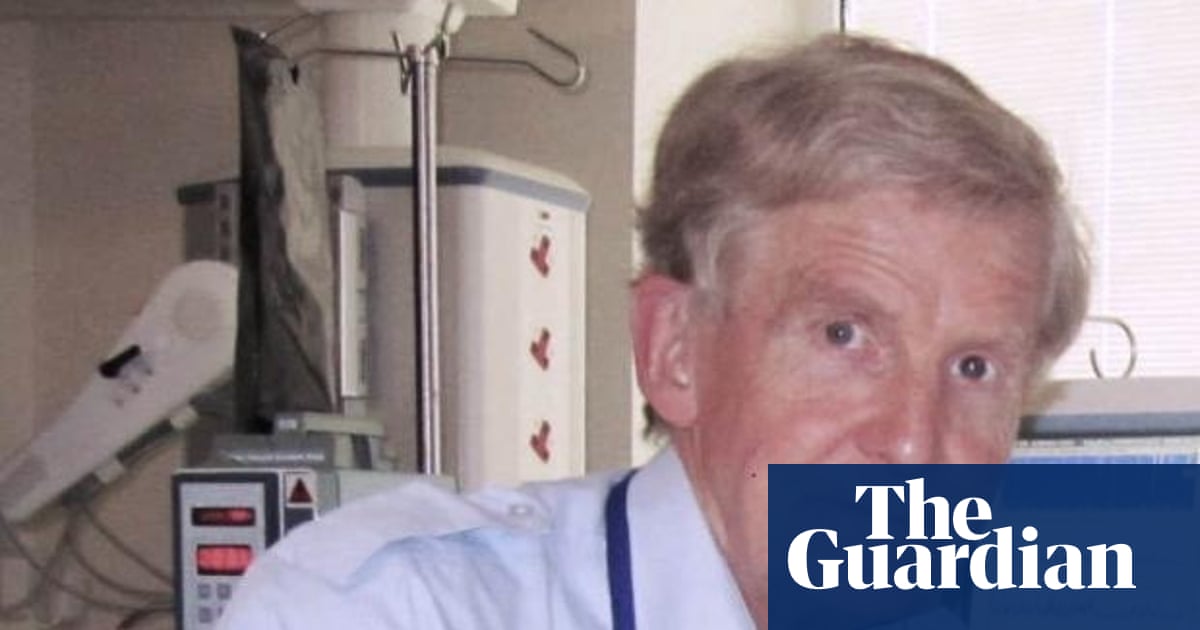
The Legacy of Andy Whitelaw: A Pioneer in Neonatology
As we reflect on the remarkable life of Dr. Andy Whitelaw, who passed away at the age of 79, it becomes clear that his contributions to the field of neonatology have left an indelible mark on medicine and the lives of countless newborns. His innovative approaches and tireless dedication to the care of the most vulnerable among us highlight a career defined by compassion and groundbreaking research.
Revolutionizing Newborn Care
Dr. Whitelaw’s memoir chapter titled “Brainwashing (literally)” encapsulates his pioneering spirit. He was not only a skilled neonatologist but also a visionary who utilized techniques that were once considered radical. For instance:
- Blood Clot Removal: His innovative method of flushing out blood clots from a newborn’s brain has paved the way for better outcomes in infants suffering from intraventricular hemorrhage.
- Therapeutic Cooling: Dr. Whitelaw’s research into cooling oxygen-deprived newborns has become a standard practice, significantly reducing the risk of brain damage.
When Whitelaw embarked on his career in the 1970s, the human brain was still largely a mystery. However, advancements in imaging technology allowed for early detection and treatment of conditions that previously could only be identified post-mortem. His work in this area has undoubtedly saved lives and improved the quality of life for many children.
Trailblazing Research
Dr. Whitelaw’s illustrious career took him from the Hammersmith Hospital in London to Aker University Hospital in Norway, and finally to Bristol University. Each step of the way, he was at the forefront of neonatology:
- Drift Trial: His collaborative research led to the Drift trial, which sought to use a catheter to drain excess fluid from the brain, a significant advancement in treating brain bleeds.
- CoolCap and Toby Trials: His pioneering CoolCap trial demonstrated that lowering the temperatures of newborns could mitigate brain damage, a finding that was further amplified in subsequent larger trials.
- Kangaroo Care: Dr. Whitelaw’s advocacy for skin-to-skin contact between parents and premature infants has transformed neonatal care, promoting the emotional and physical well-being of both mother and baby.
A Commitment to Education and Empathy
Beyond his research, Dr. Whitelaw was a dedicated educator. He understood the delicacy involved in obtaining consent for experimental treatments and took it upon himself to communicate with families directly, often under stressful circumstances. This approach speaks volumes about his character and the compassion he held for both his young patients and their families.
A Personal Journey
Born in Derby, Dr. Whitelaw’s upbringing and education shaped the compassionate professional he became. His experiences, such as witnessing the struggles of a girl with cerebral palsy, left a lasting impression on him and fueled his desire to make a difference in the lives of children. His personal challenges, including a serious car accident that affected his vision, only strengthened his resolve.
A Lasting Legacy
Dr. Whitelaw leaves behind not only a legacy of medical advancements but also a family that includes his wife Marianne, four children, and several grandchildren. His passion for life extended beyond medicine, as he enjoyed cross-country skiing and even played the bagpipes in a marching band.
In conclusion, Dr. Andy Whitelaw’s contributions to neonatology have set new standards for the care of newborns. His innovative practices and empathetic approach will continue to inspire future generations of medical professionals.
For more detailed insights and information, I encourage you to read the original news article here.