



Visa Denials and Free Speech: A Complex Global Debate
Recent developments have sparked a significant debate regarding free speech and government intervention, particularly in the tech arena. The U.S. State Department’s decision to deny visas to two British campaigners, along with three others, raises vital questions about the balance between safeguarding free expression and combatting harmful content online.
Key Figures Denied Entry
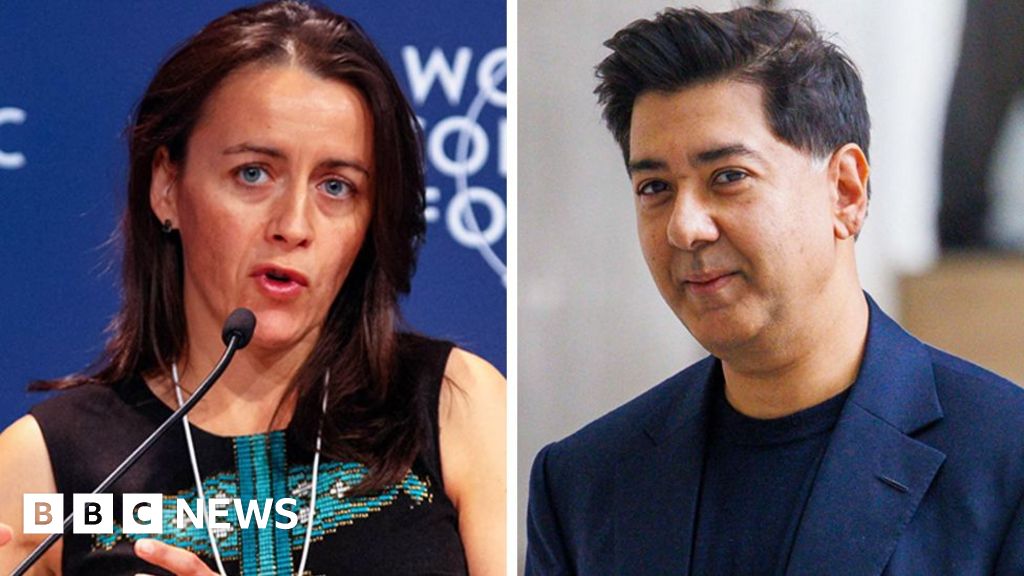
Imran Ahmed and Clare Melford are at the center of this controversy:
- Imran Ahmed: Former Labour adviser and head of the Centre for Countering Digital Hate (CCDH). His group advocates for government action against online hate and disinformation.
- Clare Melford: CEO of the Global Disinformation Index (GDI), a non-profit founded to monitor disinformation spread online.
The U.S. government has branded them as “radical activists,” accusing them of attempting to coerce American tech platforms into censoring free speech. This characterization is troubling, as it implies a dangerous conflation between advocacy for responsible content moderation and the suppression of speech.
Reactions from Europe
European leaders have been vocal in their condemnation of the U.S. actions:
- French President Emmanuel Macron criticized the travel ban as “intimidation and coercion,” undermining European digital sovereignty.
- The UK government expressed its commitment to free speech, emphasizing the importance of laws that protect against harmful online content.
- Kaja Kallas, the EU’s foreign policy chief, labeled the visa denial “unacceptable,” framing it as an infringement on European sovereignty.
These reactions illustrate a growing tension between the U.S. and European nations regarding digital governance and free speech. The U.S. administration frames its actions as necessary to protect American values, yet this approach may inadvertently alienate key allies.
The Broader Implications
This incident highlights a broader global struggle over the regulation of digital platforms. Secretary of State Marco Rubio termed it a response to a “global censorship-industrial complex,” suggesting an urgent need for America to defend its sovereignty against foreign influence. Yet, this rhetoric raises concerns about the implications for international collaboration on managing online content.
Moreover, the implications of this visa ban extend beyond the individuals affected:
- Thierry Breton, a former EU commissioner, was also targeted for his role in shaping the EU’s Digital Services Act, which aims to impose stricter content moderation on social media.
- Breton’s clashes with tech moguls like Elon Musk underscore the contentious relationship between regulatory frameworks and corporate interests.
As these tensions escalate, it’s crucial to analyze the underlying motivations and the potential consequences for international discourse on free speech and digital governance.
Conclusion
The denial of visas to key figures advocating for responsible digital policies is a complex issue that intertwines issues of sovereignty, free speech, and the fight against harmful content online. As nations navigate these challenges, the dialogue surrounding free speech must remain open and inclusive, rather than devolving into accusations and bans.
For a deeper understanding of this situation, I encourage you to read the original news article here.