



Record Octopus Numbers in 2025: An Environmental Perspective
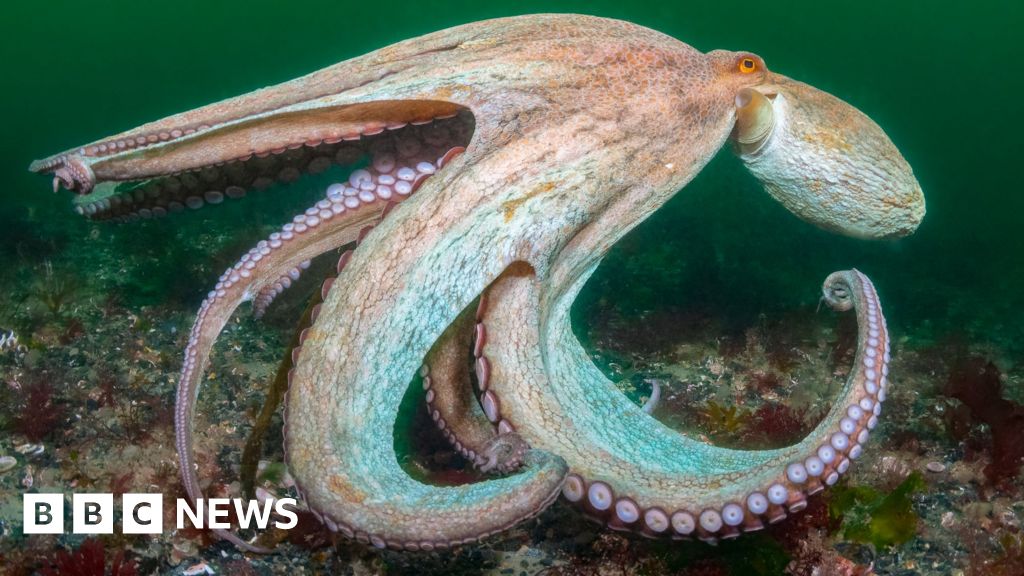
In an exciting revelation, the Wildlife Trusts have announced that 2025 will be celebrated as “the Year of the Blooming Octopus.” This declaration comes on the heels of a significant increase in octopus sightings along the southwest coast of England, with numbers reported to be the highest since 1950. This phenomenon, referred to as a “bloom,” raises many questions about the state of our oceans, the impact of climate change, and the future of marine biodiversity.
The Surge of Octopus Populations
The data is compelling. The Wildlife Trusts’ annual marine review highlights:
- Record Sightings: This summer has seen octopus numbers reach unprecedented levels, with over 1,200 tonnes caught by fishermen in UK waters.
- Climate Change Impact: Warmer winters, attributed to climate change, are believed to be driving this population explosion.
- Significant Increases: Reports indicate an increase of more than 1,500 percent in octopus sightings in certain areas compared to 2023.
Experts emphasize that the species most commonly spotted is Octopus vulgaris, typically found in warmer Mediterranean waters. This raises intriguing questions about the broader ecological ramifications of such a shift in species distribution.
Ecological Implications
While the rise in octopus numbers might seem like a positive development for marine biodiversity, it brings with it a host of challenges:
- Predation Pressure: Octopuses are known to feed on shellfish such as lobsters, crabs, and scallops, potentially disrupting local marine ecosystems.
- Fishing Industry Impact: The increased octopus population could necessitate changes in fishing practices and consumption habits to protect vulnerable shellfish species.
- Long-term Effects: The sustainability of this bloom is uncertain—will it be a permanent change or a cyclical event?
As Ruth Williams, the head of marine for The Wildlife Trusts, noted, “They are having an impact on those (shellfish) species around our shores.” This statement underscores the need for adaptive strategies within the fishing industry to cope with these ecological shifts.
Mixed News for Marine Life
Interestingly, while octopus populations are surging, other marine life is experiencing both positive and negative trends:
- Puffin Population: On a brighter note, a record of 46,000 puffins was documented on Skomer Island, indicating some success in conservation efforts.
- Environmental Challenges: The year was marred by environmental disasters, including significant plastic pollution incidents.
These dual narratives reflect the complex state of our oceans: while some species thrive, others face increasing threats from human activity and environmental changes.
Conclusion
As we celebrate the remarkable resurgence of the octopus, it is crucial to remain vigilant about the broader implications for marine ecosystems. The interplay between climate change and marine biodiversity is a dynamic and evolving narrative that demands our attention and action. We must strive to understand these changes and adapt our practices accordingly to ensure a balanced marine environment for future generations.
For more in-depth information on this topic, I encourage you to read the original news article.