



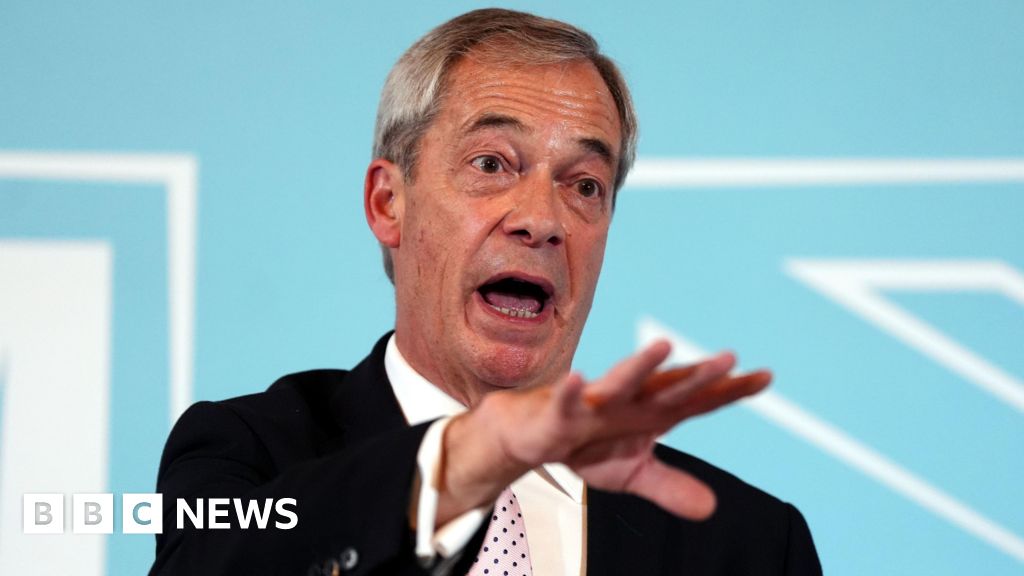
Nigel Farage’s Campaign Overspending Allegations: A Missed Opportunity for Transparency
Recent developments surrounding Nigel Farage and the Reform UK party have raised significant questions about campaign finance and accountability in British politics. The decision by Essex Police not to investigate claims of overspending during the 2024 general election has sparked a dialogue about the efficacy of current regulations.
Details of the Allegations
Allegations emerged from former Reform campaigner Richard Everett, who contended that the party exceeded the legal spending limit of £20,660. The accusations included:
- Failure to declare spending on leaflets and banners
- Unreported utility bills
- Refurbishment costs of a bar in the Clacton constituency office
Legal Framework and Investigation Outcome
Essex Police clarified their position, noting that the time limit for prosecution under the Representation of the People Act 1983 is set at one year. Since the allegation was reported over a year after the supposed infractions, the police stated:
- “Any prosecution for such an offence must commence within one year.”
- They concluded that the report fell outside the statutory time limit.
What This Means for Farage and Reform UK
Despite Essex Police’s decision, the matter may not be entirely settled. The Electoral Commission could still pursue an investigation, indicating that scrutiny surrounding Farage and his party is far from over. Notably, Farage became the leader of Reform UK just before the election, and his subsequent victory in Clacton with a majority of over 8,000 votes adds another layer of complexity to this situation.
Implications for Political Accountability
The lack of an investigation raises broader concerns about political accountability and the enforcement of campaign finance laws in the UK. As citizens, we must consider:
- Are the current laws sufficient to deter overspending and ensure transparency?
- What mechanisms are in place to hold political figures accountable for their financial conduct?
- How can we foster a political environment that prioritizes integrity and transparency?
As we reflect on these questions, the outcome of this situation may serve as a catalyst for necessary reforms in electoral finance regulations. The public deserves clarity and fairness in how our political landscape operates.
For more detailed information, I encourage you to read the original news article here.