



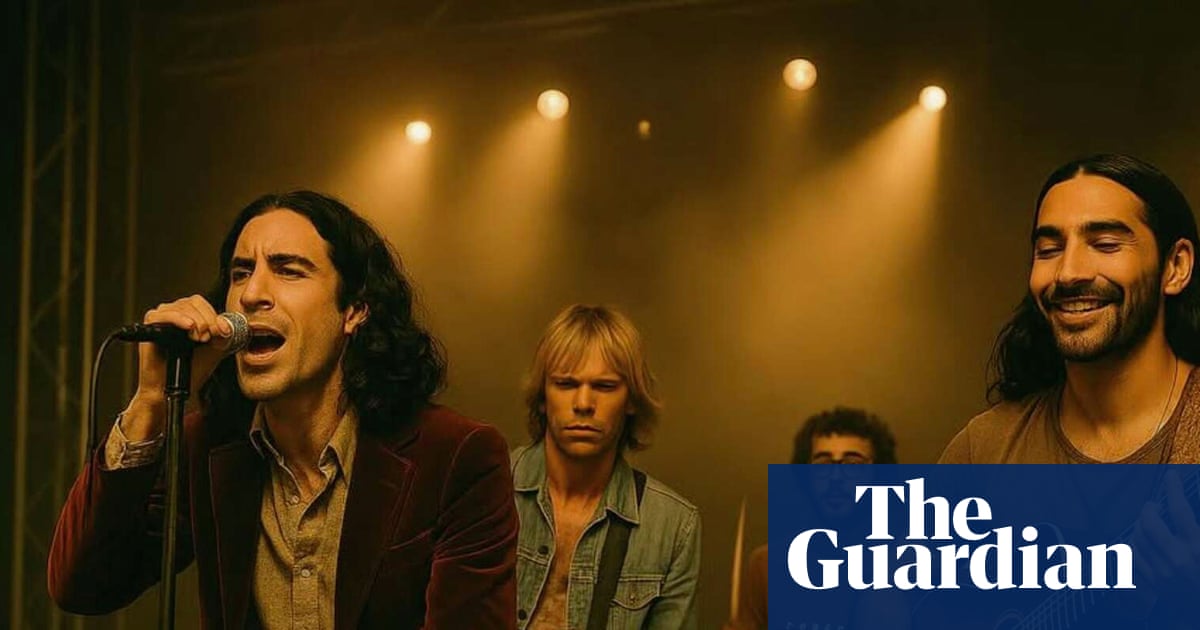
The Rise of AI in Music: A Double-Edged Sword
This year, we witnessed a significant transformation in the music industry as AI-generated music transitioned from a novelty to a formidable presence. The emergence of fully AI-driven acts like Velvet Sundown and the ascendance of AI-created tracks on various charts underscore this trend. It’s no longer just an experimental phase; AI is becoming a part of the mainstream music landscape.
AI’s Impact on Music Creation
The ability of AI to generate music is not merely a gimmick. Platforms that utilize AI analyze vast amounts of music to produce new tracks based on user inputs. For instance:
- Users can request a “moody R&B song about a breakup sung by a female vocalist,” and AI can deliver a credible imitation.
- AI tracks have dominated streaming platforms, raising concerns about the future of human creativity in music.
- Notable AI acts, like Xania Monet, have even signed record deals, blurring the lines between human and machine artistry.
The Industry’s Dilemma
Initially perceived as a threat, AI is now being embraced by major labels. This shift raises critical questions about the future of music and the financial landscape for artists:
- Major labels like Universal Music Group and Warner Music Group have partnered with AI companies, indicating a significant turnaround in their stance.
- These partnerships aim to create a healthy ecosystem for both artists and AI companies, fostering new creative possibilities.
- However, this could also lead to a scenario where human artistry is undervalued, as AI music becomes more prevalent.
Concerns Among Artists
The reaction from musicians regarding AI’s role in music creation has been mixed. Some, like Dave Stewart from Eurythmics, advocate for artists to license their work to AI companies to maintain control. Others express deep skepticism:
- Irving Azoff warns that artists may end up with little to gain from these partnerships, echoing concerns about transparency and fair compensation.
- Catherine Anne Davies, known as the Anchoress, articulates a dystopian vision of AI’s impact, emphasizing the need for clear permissions regarding the use of artists’ work.
- Imogen Heap sees AI as a potential creative ally, yet stresses the importance of evolving permissions to protect artists’ rights.
The Future of Music and AI
As AI-generated music continues to evolve, the implications for the music industry are profound. Concerns range from:
- The commodification of artistic expression, risking the devaluation of human-created music.
- The potential for confusion among listeners about what constitutes ‘real’ music, particularly as AI capabilities improve.
- Long-term financial impacts on the entire music ecosystem, potentially jeopardizing future generations of artists.
As we stand at this crossroads, it is crucial for the industry to navigate these changes thoughtfully. The balance between embracing innovation and protecting artistic integrity will define the future of music in the age of AI.
For a deeper understanding of these developments, I encourage you to read the original news article at the Guardian.