



Germany’s Ambitious Heat Pump Project: A Step Towards Sustainability
In a landmark development, Germany is set to construct what could be the world’s most powerful heat pump systems, a project spearheaded by MVV Energie. This initiative represents not only a significant technological advancement but also a critical move towards reducing carbon emissions in urban environments.
The Scale and Vision of the Project
MVV Energie’s project in Mannheim is an ambitious endeavor. Here are some key insights:
- Massive Water Utilization: The project will utilize a pipe system capable of transporting 10,000 liters per second from the River Rhine. This enormous infrastructure demonstrates the scale of the undertaking.
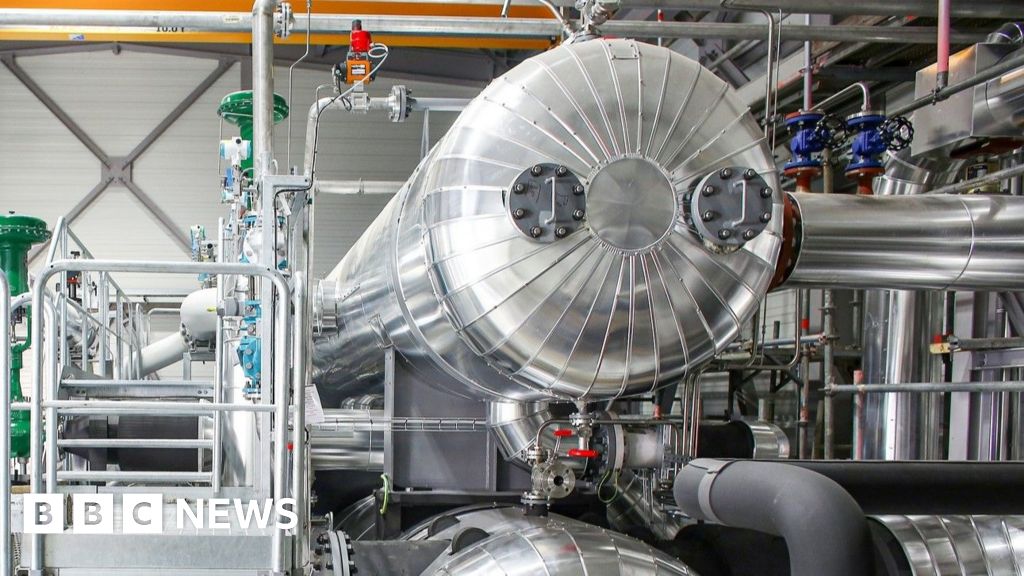
- Powerful Heat Generation: The two planned heat pump units will each have a capacity of 82.5 megawatts, collectively providing enough heating for around 40,000 homes.
- Transition from Coal: The heat pumps will be installed at the site of a decommissioned coal power plant, marking a significant shift towards cleaner energy technologies.
Technological Insights
Heat pumps are crucial in the transition to renewable energy. They work by extracting heat from natural sources, such as air or water, and increasing that heat through a compression process. This technology is scalable and can be adapted for district heating systems, providing an efficient solution for urban heating demands.
Challenges and Considerations
However, this project does not come without challenges:
- Transportation Logistics: The size of the machinery poses transportation challenges, leading to considerations of barge transport along the Rhine.
- Environmental Impact: A multi-step filtering system will be implemented to minimize the environmental impact on the river’s ecosystem, ensuring fish are not adversely affected.
- Financial Investment: The estimated cost of the Mannheim project stands at €200 million, highlighting the significant financial commitment required for such transformative technology.
Comparative Developments in Europe
As MVV Energie pushes forward, other European countries are not lagging behind. Notably:
- Denmark’s Everllence: Currently developing a 176 MW system in Aalborg, set to become operational in 2027, showcasing the competitive nature of heat pump technology in Europe.
- Helsinki’s Overhaul: The Finnish capital is implementing heat pumps to revamp its district heating system, underlining the versatility of this technology across varying climates.
Conclusion: A Bright Future for Heat Pumps
The Mannheim project is a promising step forward in the global effort to decarbonize urban heating. As cities worldwide increasingly depend on sustainable energy solutions, the success of such projects will likely inspire similar initiatives, paving the way for a greener future.
For those interested in further details about this initiative, I encourage you to read the original article here.