



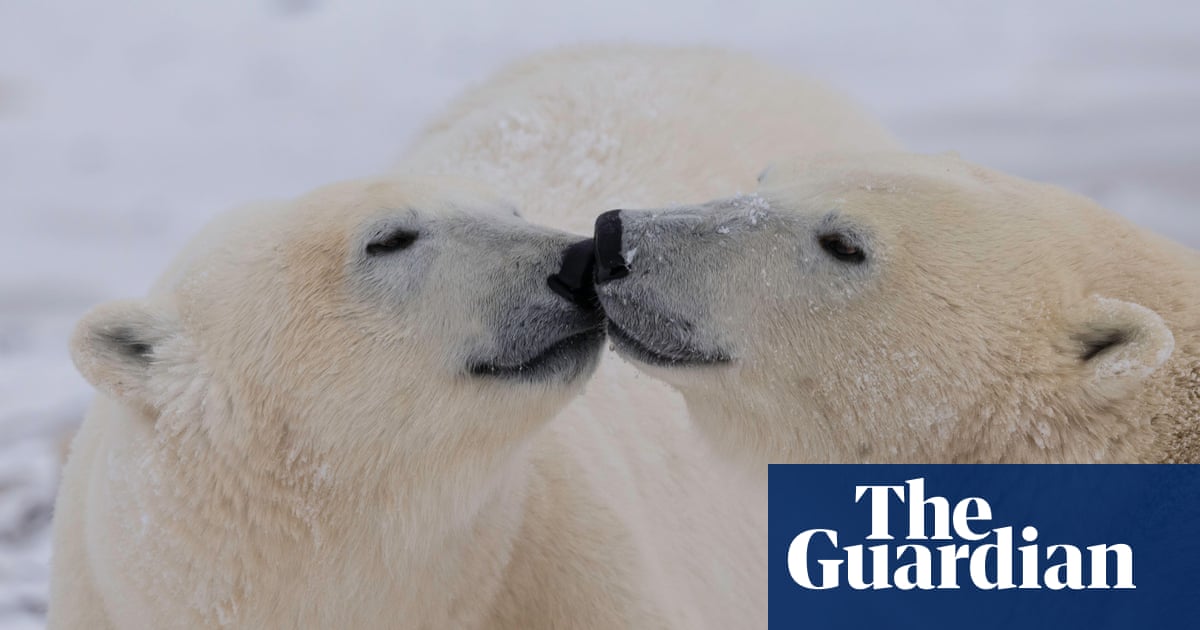
Polar Bears and Their Genetic Adaptation to Climate Change
The latest research from the University of East Anglia presents a fascinating glimpse into the resilience of polar bears amidst the dire consequences of climate change. This study marks a pivotal moment as it reveals a statistically significant connection between rising temperatures and alterations in the DNA of these majestic mammals.
Understanding the Threat
As the climate continues to warm, polar bears find themselves in peril. The stark prediction that two-thirds of their population could vanish by 2050 due to melting ice habitats is nothing short of alarming. The urgency of the situation cannot be overstated.
Key Findings from the Research
Researchers have discovered that some genes related to heat stress, aging, and metabolism are exhibiting changes in polar bears from southeast Greenland. This raises several important points:
- Genetic Adaptation: The study indicates that these polar bears may be adapting to warmer conditions, suggesting a level of resilience.
- Jumping Genes: The analysis focused on “jumping genes,” or mobile pieces of the genome that can influence the expression of other genes. This could play a crucial role in how these bears cope with environmental stress.
- Dietary Changes: Bears in warmer climates are shifting to a more plant-based diet, which requires adaptations in their DNA. This highlights the flexibility of their genetic makeup in response to dietary availability.
- Rapid Evolution: The research found significant genetic changes occurring in the warmest regions of Greenland, indicating a rapid evolutionary response to habitat loss.
Implications for Conservation
Dr. Alice Godden, the lead researcher, emphasizes the importance of these findings. They suggest that certain bear populations might be employing “jumping genes” as a survival mechanism in the face of habitat destruction. However, the hope these adaptations bring is tempered by the reality that:
- Extinction Risk: Despite these promising genetic adaptations, polar bears remain at significant risk of extinction.
- Need for Action: The research underscores the necessity for immediate action to curb carbon emissions and combat climate change.
- Future Studies: The next steps involve examining other polar bear populations globally to identify whether similar adaptations are occurring elsewhere.
Conclusion
While this research provides a glimmer of hope, it serves as a stark reminder of the precarious situation polar bears face. The findings illustrate not only the adaptability of nature but also the urgent need for humanity to address the root causes of climate change. We must not become complacent; every effort counts in the fight to preserve these iconic animals and their habitats.
For those interested in further details, I encourage you to read the original news article here.