



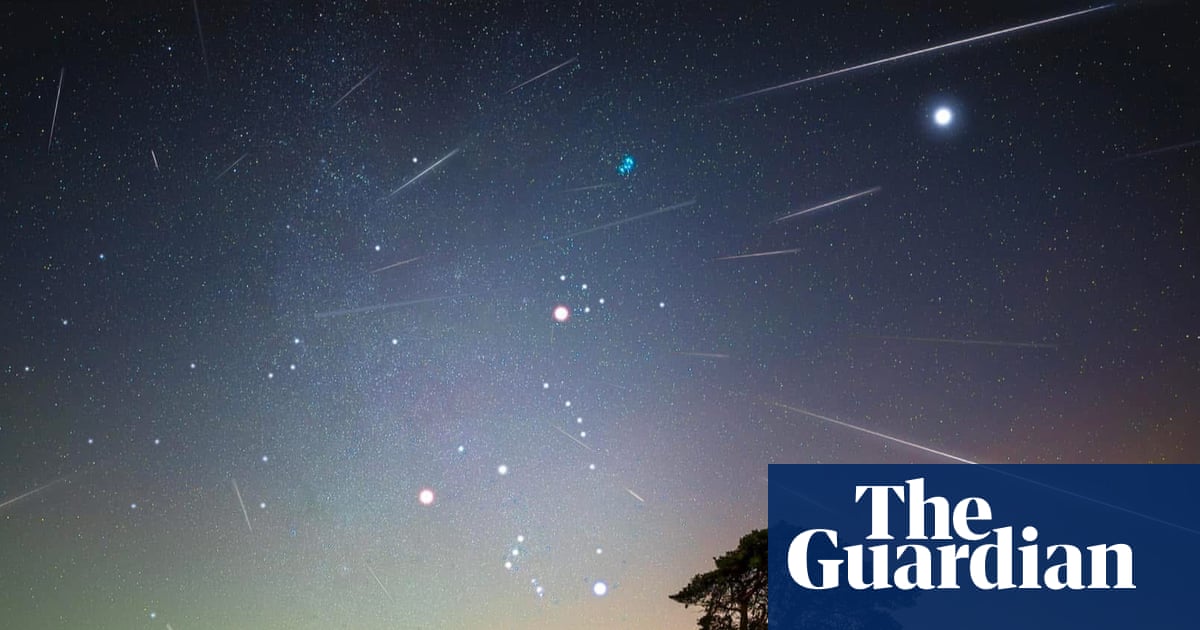
As we approach one of the most anticipated astronomical events of the year, the Geminid meteor shower, excitement is palpable among stargazers and casual observers alike. This annual spectacle is not only vibrant and plentiful but also provides a fantastic opportunity for anyone interested in the wonders of our universe.
The Geminid Meteor Shower: A Celestial Phenomenon
The Geminids, named after the Gemini constellation, are widely regarded as the premier meteor shower of the year. Their peak viewing period is upon us, and the anticipation is building. According to astrophysicist Prof. Jonti Horner, the Geminids stand out because they can produce numerous meteors per hour, making them a must-see event.
What’s fascinating about the Geminids is their origin. Unlike many meteor showers formed from a comet’s tail, the Geminids are derived from debris left by the asteroid 3200 Phaethon. This intriguing “rock comet” has a unique orbit that brings it close to the sun, which adds an extra layer of interest to this phenomenon.
Optimal Viewing Times in Australia
For those in Australia, the best time to witness this celestial event will be on Sunday night into Monday morning. Prof. Horner notes that the meteors will be highest in the sky between 3 AM and 3:30 AM AEDT. If you’re located further north, such as in Darwin or Cairns, the viewing conditions are particularly favorable:
- You could potentially see up to 80 or 90 meteors per hour.
- Dark skies away from city lights will enhance your experience.
Tips for Enjoying the Meteor Shower
To fully appreciate the Geminid meteor shower, consider these recommendations:
- Seek out areas away from street lights to minimize light pollution.
- Stay up late rather than waking up early for a better chance to catch the meteors.
As Horner wisely advises, there’s something magical about staying up late to witness such an awe-inspiring event.
The Science Behind Meteor Showers
Understanding the mechanics of meteor showers adds to their allure. As Earth orbits the sun, it intersects with streams of dust and debris left by comets, leading to these dazzling displays. Horner likens it to navigating a roundabout: by continuously moving around, you return to the same point where the debris is concentrated, resulting in a meteor shower.
Looking Ahead: What’s Next for Stargazers?
After the Geminids, star enthusiasts can look forward to a total lunar eclipse scheduled for March 3, 2026. This event promises to be another highlight for those who enjoy celestial phenomena.
In conclusion, the Geminid meteor shower is a spectacular opportunity for anyone to connect with the wonders of the universe. Make sure to grab a cozy blanket, find a dark spot, and enjoy the show!
For more in-depth information about the Geminid meteor shower, please read the original article here.