



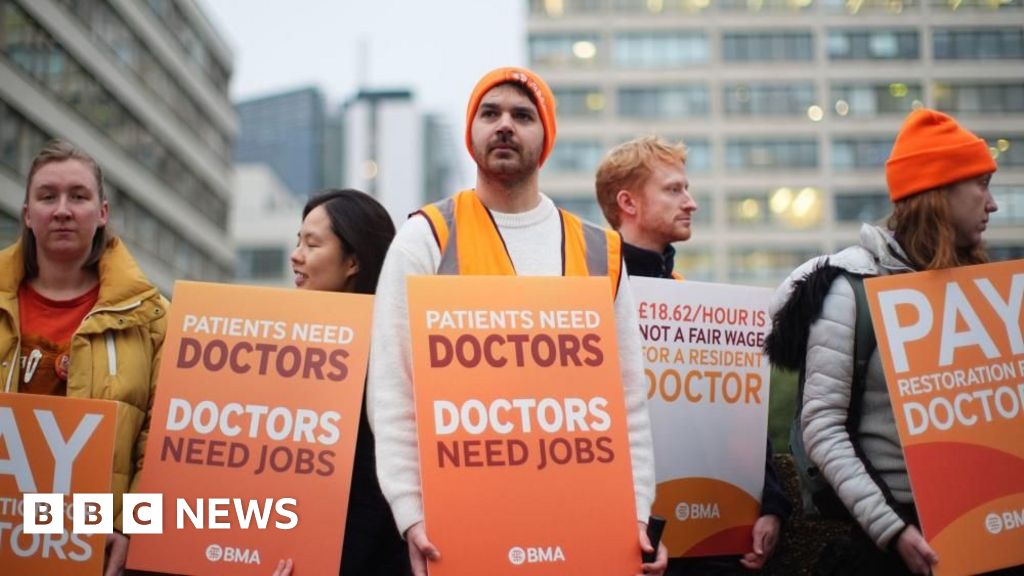
Potential Averting of the Resident Doctors’ Strike in England
Next week, the looming strike by resident doctors in England may be on the verge of being averted, thanks to a new proposal put forth by the government. This situation brings to light the ongoing tensions between healthcare professionals and government officials, as well as the critical need for dialogue in the face of pressing healthcare challenges.
Government’s New Offer to the BMA
The British Medical Association (BMA) has received a fresh deal from the government, which they plan to present to their members. This is a significant move, as it could potentially halt the planned five-day walkout starting on Wednesday, December 17. Key elements of the offer include:
- Expansion of Specialist Training Posts: The government proposes a rapid increase in specialist training positions to address the workforce shortage.
- Coverage of Out-of-Pocket Expenses: The offer includes reimbursement for exam fees, which is a step toward supporting doctors financially.
- No Increase in Pay: Notably absent from the proposal is any commitment to raise salaries, which has been a contentious issue given the nearly 30% pay rise resident doctors have seen in the past three years.
The Context of the Offer
Health Secretary Wes Streeting has made it clear that pay negotiations are off the table, emphasizing the financial constraints within the NHS and the recent salary increases for junior doctors. The current structure is noteworthy:
- Intense Competition for Training Roles: This year, about 30,000 applicants competed for just 10,000 specialty posts, highlighting the critical shortage of trained professionals.
- Legislative Changes: Emergency legislation will be introduced to prioritize UK-trained doctors for these positions, addressing concerns over competition from overseas applicants.
- Increased Speciality Posts: The government plans to add 4,000 new specialty posts by 2028, with 1,000 available as soon as next year.
Implications of the Proposed Deal
The BMA’s decision to consult with its members is crucial. If they find the offer satisfactory, the strike could be called off. The timeline is tight, with a survey running until December 15, just two days before the action is scheduled to begin. This brings a sense of urgency and anxiety not only to the doctors but also to the patients awaiting care.
Political Reactions
The political fallout from this situation has been palpable. Streeting expressed frustration over the BMA’s handling of the negotiations, arguing that the looming strike could exacerbate existing pressures on the NHS, especially during the winter season when healthcare demand spikes. Some key points from his comments include:
- Cancellation of Treatments: Hospitals may have to cancel numerous treatments in anticipation of the strike.
- Potential Retract of Offer: Streeting hinted at retracting the offer if the BMA does not accept it, which could escalate tensions further.
- Accusations Against BMA: He described the BMA’s leadership as “willfully casual” in their approach, suggesting that their actions could inflict unnecessary pain on patients and the NHS.
Conclusion and Final Thoughts
The situation is fluid, and the outcome hinges on the response from resident doctors. While the government’s offer addresses some training concerns, the absence of pay increases remains a significant sticking point. As we await the results of the BMA’s member survey, it’s clear that the future of healthcare delivery in England hangs in the balance between government negotiations and the demands of medical professionals.
For further details, I encourage you to read the original news article here.