



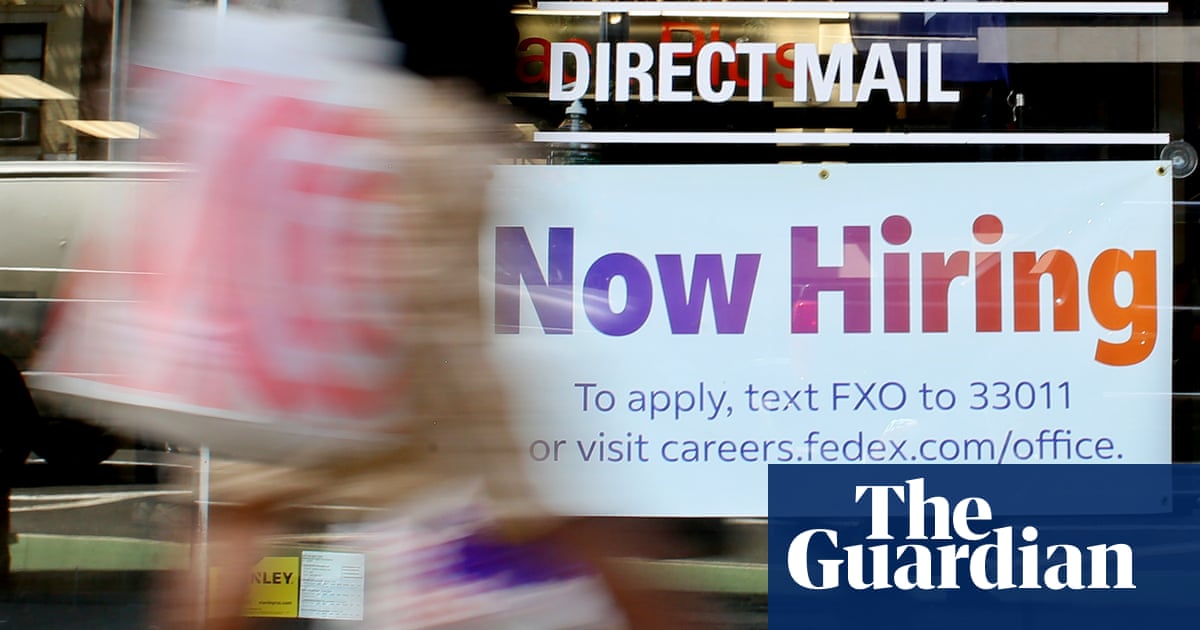
US Job Growth Analysis: A Mixed Bag
The latest employment figures released by the US Bureau of Labor Statistics reveal a complex narrative for the job market in December 2025. Employers added just 50,000 jobs, a figure that falls short of the anticipated 73,000 jobs and underscores a trend of weakening growth as we move into the new year.
Job Growth Under Scrutiny
As we analyze the data, it becomes clear that this modest job addition is part of a broader picture of economic uncertainty. The revisions to previous months’ figures are particularly concerning:
- October and November’s job additions were revised down by 76,000, reflecting a more severe downturn during a turbulent period marked by a significant government shutdown.
- In October alone, the economy lost 173,000 jobs, a stark warning sign of underlying issues.
With the unemployment rate dipping from 4.6% in November to 4.4% in December, we must consider the implications of these figures. While a falling unemployment rate is generally positive, it must be viewed alongside the sluggish job growth to gauge the health of the labor market accurately.
The Political Context
These developments arrive at a politically charged time. President Trump, who campaigned on promises to revive the economy, now faces criticism as the labor market appears to falter. In stark contrast to the 2 million jobs added in 2024 under the previous administration, the 584,000 jobs added in 2025 during Trump’s second term raises questions about the effectiveness of his economic policies.
Furthermore, Trump’s controversial pre-release of job data has sparked debate about transparency and protocol in economic reporting. His claim of private sector growth, based on pre-released figures, has drawn scrutiny and has led to calls for a review of data sharing practices.
Current Economic Conditions
As we delve deeper into the labor market dynamics, we find it is currently characterized by a “no hire, no fire” mentality:
- Layoffs in December were nearly half of those in November, suggesting employers are hesitant to make drastic changes.
- This stagnation highlights an economy in limbo, where job growth is present but significantly subdued.
The Federal Reserve is closely monitoring these developments as they prepare for their upcoming policy meeting. With interest rates currently at 3.5% to 3.75%, there is speculation about potential cuts to stimulate growth, though such actions come with inflationary risks.
Looking Ahead
As we move into 2026, the outlook remains clouded. Economists are divided on the path forward, with some advocating for a more aggressive easing of monetary policy to spur job growth. In contrast, others caution against fueling inflation with rapid rate cuts.
Scott Bessent, the treasury secretary, has emphasized the need for continued rate reductions to unlock stronger economic growth. Yet, this stance must be balanced with the Fed’s commitment to controlling inflation, which has shown signs of cooling but remains a significant concern.
In conclusion, the December jobs report paints a picture of an economy grappling with challenges. While there are glimmers of hope, the underlying trends call for careful navigation as we head into the new year.
For a more detailed exploration of these employment figures and their implications, I encourage you to read the original news at the source: The Guardian.