



Iran and US Engage in Indirect Talks: A Glimmer of Hope Amidst Tensions
Recently, the indirect discussions between Iran and the United States regarding the future of Iran’s nuclear program concluded with a cautious sense of optimism. Following eight hours of negotiations in Muscat, Oman, both sides have expressed a willingness to continue the dialogue, indicating a potential shift in the long-standing tensions that have characterized US-Iran relations.
A Positive Atmosphere, But Challenges Remain
Iran’s Foreign Minister, Abbas Araghchi, described the talks as a “good start,” emphasizing that the atmosphere was conducive to negotiations. However, he also cautioned that the continuation of discussions hinges on consultations in both Washington and Tehran, reiterating Iran’s demand for a threat-free dialogue.
From the US side, President Donald Trump also characterized the talks as “very good,” announcing plans for an additional meeting next week. Yet, he issued a stark warning: “If they don’t make a deal, the consequences are very steep.” This duality in tone reflects the precarious nature of the negotiations.
Context and Historical Tensions
This round of talks marks the first engagement since the US and Israel launched significant military strikes against Iran’s nuclear facilities last June. The backdrop of military posturing has created a complex environment for diplomacy, underscoring the challenges both parties face in establishing trust.
- The US has increased its military presence in the region, centering around the USS Abraham Lincoln aircraft carrier group.
- Iran has been grappling with internal unrest, with thousands of protesters reportedly killed during a crackdown.
- Iran insists that discussions should focus solely on the nuclear issue, explicitly excluding topics like human rights and regional military support.
Negotiation Dynamics
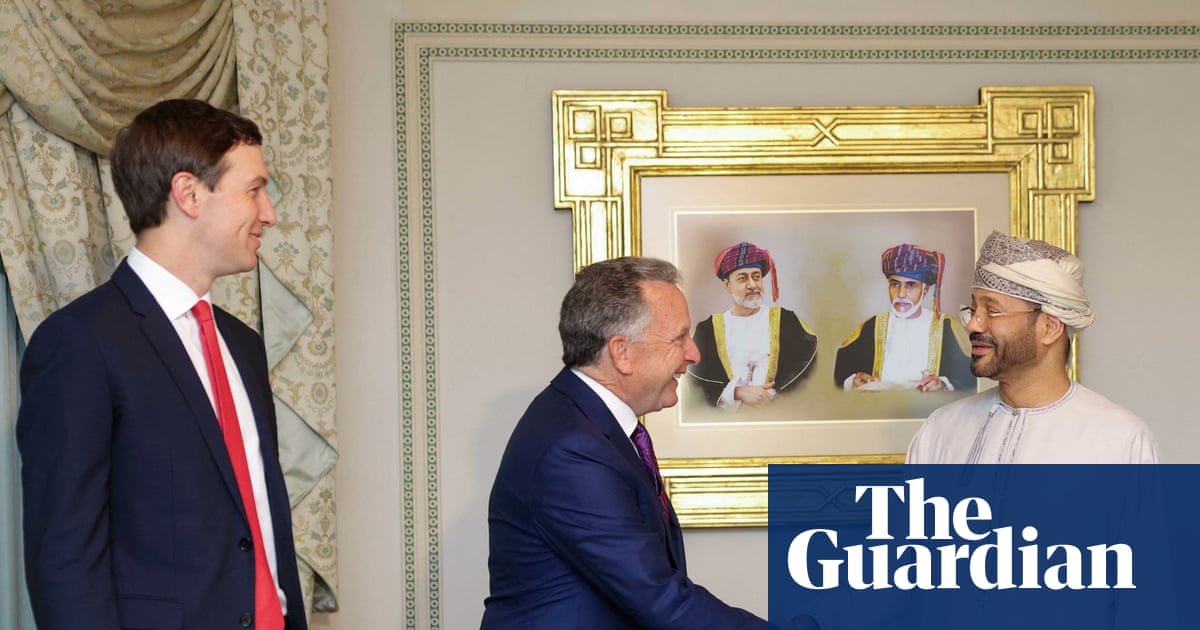
The mediation by Oman’s Foreign Minister Badr al-Busaidi highlights the critical role of third-party nations in facilitating dialogue. The US delegation included key figures such as Trump’s envoy, Steve Witkoff, and son-in-law Jared Kushner, alongside military representation from Adm. Brad Cooper of US Centcom.
Despite the apparent progress, the historical mistrust between the two nations looms large. Araghchi noted the “deep mistrust” that has developed, indicating that overcoming this sentiment will be crucial for any meaningful agreement. Currently, the US aims to broaden the discussions to include Iran’s ballistic missile capabilities and its support for regional groups, areas Iran is reluctant to address.
Looking Ahead: Conditions for Progress
Iran seeks assurances that the US will not use these negotiations as a facade for regime change. The Iranian government has also made it clear that its right to enrich uranium is non-negotiable, a principle established in the now-defunct 2015 nuclear deal.
- Iran may consider suspending uranium enrichment for a fixed period in exchange for sanctions relief.
- The plummeting value of the rial and soaring inflation have exacerbated Iran’s economic struggles, fueling public unrest.
- Trump’s military threats remain a significant pressure point, complicating the diplomatic landscape.
As these talks progress, the balance of power dynamics and the historical context of distrust will play pivotal roles in shaping the outcome. The world watches closely, hoping for a resolution that prioritizes stability over conflict.
For further details on this developing story, please read the original news article here.