



UK’s Bold Move Towards Sustainable Heating: Analyzing the Warm Homes Plan
The UK government has recently unveiled its Warm Homes Plan, a significant investment of £15 billion aimed at assisting households in adopting green technologies like heat pumps. This initiative is a crucial step towards reducing energy bills and minimizing greenhouse gas emissions.
Why Heat Pumps Matter
Heating accounts for roughly one-fifth of the UK’s carbon emissions, making the transition from gas and oil to heat pumps imperative. Here’s why:
- Environmental Impact: Heat pumps play a vital role in decreasing carbon dioxide emissions.
- Efficiency: They are more efficient than traditional gas boilers, leveraging electricity from renewable sources.
- Cost-Effectiveness: Although the initial investment is high, they offer long-term savings on energy bills.
Understanding Heat Pumps
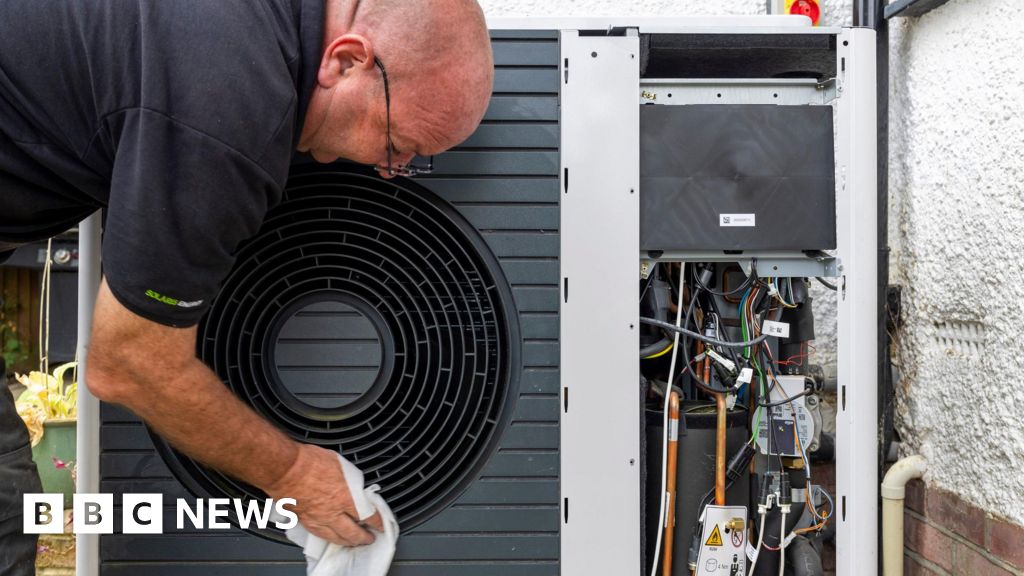
Heat pumps operate by extracting heat from the air, ground, or water and amplifying it to heat buildings. Here’s a breakdown of their functionality:
- Types: The most common are air source heat pumps, which absorb outdoor air heat.
- Components: They consist of an outdoor unit and an indoor unit, similar in size to a gas boiler.
- Operational Efficiency: Ground source heat pumps are even more efficient but come with higher installation costs.
Cost and Support Mechanisms
The financial aspect of heat pumps is crucial for homeowners. Here’s what you need to know:
- Boiler Upgrade Scheme: Homeowners in England and Wales can receive a £7,500 grant for heat pump installation.
- Additional Costs: After the grant, the average household spends around £5,000, which may still be prohibitive for many.
- Eligibility: Properties must have a valid Energy Performance Certificate (EPC) issued within the last decade.
- Funding for Low-Income Households: An additional £5 billion is allocated to support low-income households through various funds.
Long-Term Financial Benefits
While the initial costs can be daunting, heat pumps could potentially reduce running costs compared to gas boilers, particularly if energy prices fluctuate favorably. Here’s a closer look:
- Energy Efficiency: Electric heat pumps consume significantly less energy than gas boilers.
- Potential Savings: Households utilizing both solar panels and heat pumps might save nearly £1,000 annually on energy bills.
Noise Concerns Addressed
Noise has often been a concern with heat pumps, leading to restrictions on their installation. However, recent changes are making it easier for homeowners:
- Planning Permission Relaxed: The requirement for permission when installing near a neighbor’s property has been lifted.
- Noise Regulations: Newer models must adhere to a strict noise limit of 42 decibels, akin to a refrigerator.
Current Installation Landscape
The growth of heat pump installations across the UK is promising, with projections showing a significant increase through 2024. This reflects a growing commitment to sustainable heating solutions.
Additional Support under the Warm Homes Plan
The Warm Homes Plan also introduces the Warm Homes Fund, offering low and zero-interest loans for solar panels and storage batteries. However, details on accessing these funds are still forthcoming.
As we move towards a greener future, the Warm Homes Plan represents not just a commitment to reducing emissions, but also an opportunity for households to transition to more sustainable and cost-effective heating solutions. For further details, I encourage you to read the original news article here.