



The Dangers of Tanning Apps: A Growing Concern for Teens
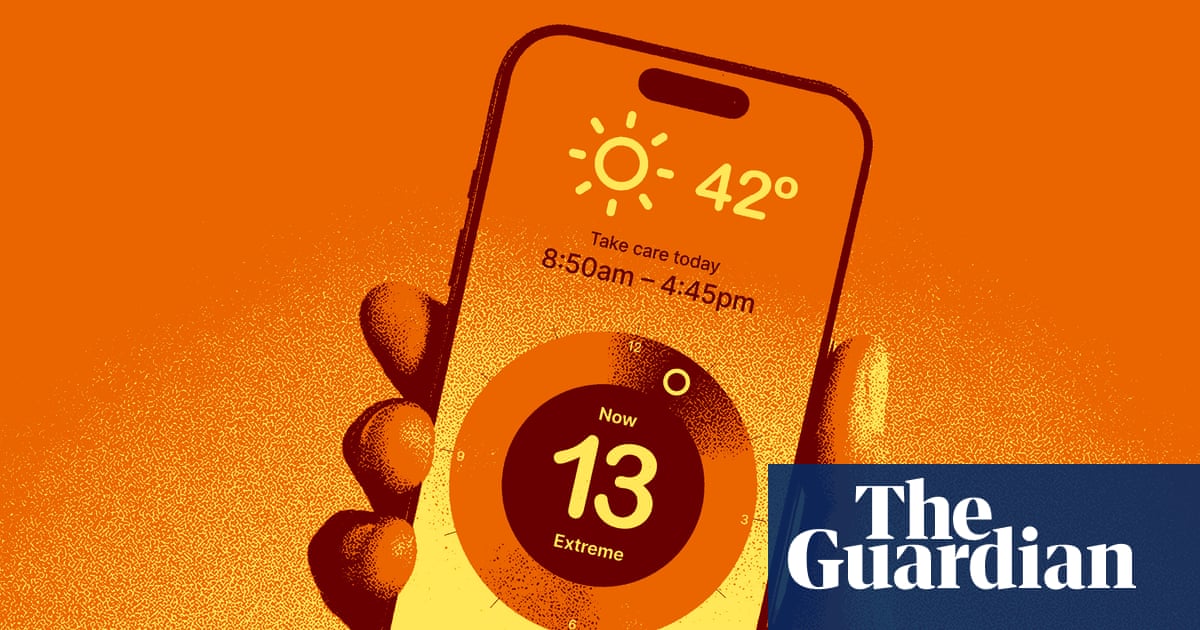
Recently, I have come across alarming news regarding smartphone applications promoting “safe” tanning routines for children as young as four. These applications, heavily endorsed by influencers, are contributing to what seems to be a troubling revival of tanning culture among Australian teenagers. The messages being disseminated are not only misleading but potentially harmful.
The Allure of Tanning Apps
These apps boast enticing features, claiming to provide users with a “healthy glow” while facilitating the tanning process. Some of the notable aspects include:
- Users can select their desired skin tone, such as “espresso glow” or “golden bronze.”
- Options for tanning intensity, ranging from “mild” to “intense,” are provided to expedite the tanning process.
- Recommendations to use tanning oils and accelerants, as well as post-sun activities like swimming or showering, are commonplace.
- The apps offer personalized tanning routines that center around deliberate ultraviolet (UV) exposure.
The promotion of these applications raises serious ethical questions, particularly when one considers their accessibility to impressionable young audiences.
Expert Opinions on the Risks
Dr. Deshan Sebaratnam, a dermatologist from the University of New South Wales, has voiced strong concerns about the messaging surrounding these tanning apps. He emphasizes that:
- The concept of a “safe tan” is a myth; any tan signifies skin damage due to UV exposure.
- Skin cells are harmed at the DNA level, increasing the long-term risk of skin cancer, especially when UV damage occurs in childhood.
- Using tanning accelerants and oils, as suggested by some apps, can lead to severe burns and heightened photosensitivity.
Dr. Sebaratnam’s insights are not just theoretical; they underscore a critical public health issue, particularly with the rising incidence of skin cancer in Australia, where approximately 2,000 people succumb to this disease annually.
Societal Implications
The head of Cancer Council Victoria’s SunSmart program, Emma Glassenbury, has expressed alarm at the resurgence of tanning culture, noting:
- Parents are increasingly worried about their children seeking tan lines and inquiring about “safe” tanning.
- A poll indicated that 23% of teens believe a tan can protect against skin cancer, showcasing a dangerous misconception.
This trend undermines decades of public health efforts aimed at shifting attitudes away from tanning. The promotion of these apps is seen as a direct challenge to the educational initiatives that aim to inform the public about the dangers of UV exposure.
Conclusion
As we continue to navigate the complexities of health and lifestyle choices in the digital age, it is imperative to remain vigilant about the influence of social media and smartphone applications on our youth. The allure of a bronzed complexion should not overshadow the fundamental truths about skin health and cancer prevention.
For further details and insights, I encourage readers to explore the original news article here.