



The Weavers’ Uprising: A Journey Through History and Resilience
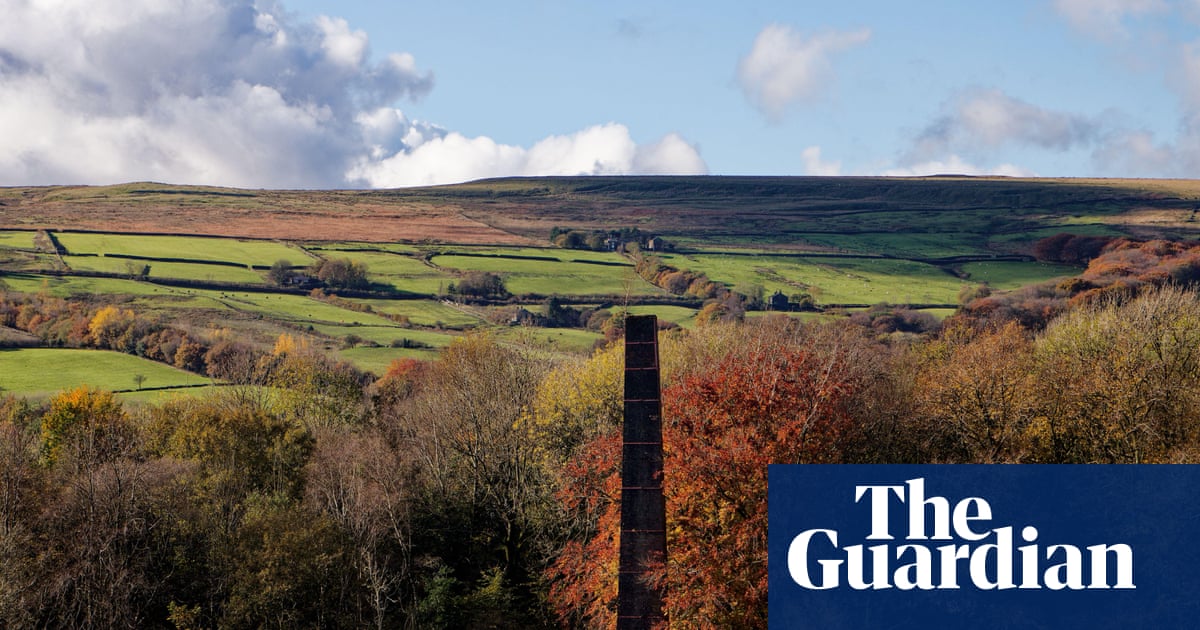
As I stand at the edge of the vast quarry on Whinney Hill, I can’t help but reflect on the poignant history that this site carries. Once a source of raw materials for the renowned Nori brickworks, it now serves as a silent witness to the struggles of Lancashire’s weavers during the tumultuous period of the 1820s.
Historical Context: The Uprising of 1826
On April 24, 1826, approximately 1,000 weavers gathered on this very hilltop, driven by desperation amidst a banking crisis known as the Panic of 1825. The cotton industry, which had sustained their livelihoods, was teetering on the brink of collapse. As wages plummeted and living conditions worsened, these skilled artisans faced the grim reality of starvation.
In a bold act of defiance, the weavers resolved to break power looms in protest, signaling their plight to employers and the government. Over four days, they marched to various mill towns, met with armed soldiers, and ultimately faced violent reprisals. The tragic outcome of these protests saw at least six lives lost.
Exploring the Routes of Resistance
My recent exploration of the weavers’ protest routes, guided by local historian Nick Burton, revealed not only the physical landscapes traversed by these brave individuals but also the emotional weight of their journey. Here are some highlights from our trek:
- Starting on the old turnpike road, now the A680, we encountered remnants of the past with Victorian-era properties and streets named after mills.
- We passed through notable locations like Clayton-le-Moors and Great Harwood, each steeped in textile history.
- At the Martholme viaduct, I was reminded of my own childhood experiences, learning skills like drystone walling in the shadow of such historical structures.
- The views from the hills were breathtaking, offering glimpses of the moors and mill towns that shaped this region’s identity.
Reflections on the Uprising’s Legacy
The first day of the uprising saw 415 power looms destroyed, an action steeped in the desperation of workers pushed beyond their limits. This moment in history is a stark reminder of the lengths to which individuals will go when faced with systemic oppression. The consequences were severe, with many weavers arrested, and some even transported to Australia for life.
This struggle is not just a chapter in history; it represents the fight against injustice that resonates through time. The stories of individuals like Mary Hindle, who faced a death sentence for her involvement, and the haunting legacy of the Chatterton Massacre encapsulate the human cost of industrial progress.
Walking in Their Footsteps
On my second walk, I retraced the weavers’ steps from Haslingden, visiting significant sites like the Whitaker museum, where a poignant exhibition pays tribute to their sacrifices. The path not only served as a physical journey but also a means of connecting with the solidarity and courage these workers exhibited.
As I passed through familiar locales like Rawtenstall and marveled at the industrial remnants, I felt an overwhelming sense of gratitude for the resilience of those who came before us. Their struggle for dignity and sustenance speaks to contemporary issues of worker rights and social justice.
Conclusion: A Call to Remember
The Weavers’ Uprising is a crucial part of Lancashire’s heritage, deserving of remembrance and reflection. As Dr. David Gordon Scott aptly noted, walking in the footsteps of these courageous souls deepens our understanding and empathy for their plight. It is a journey that connects us to our past, urging us to honor their legacy by recognizing the ongoing struggles for equity and justice in today’s world.
For those interested in delving deeper into the history of the Weavers’ Uprising and participating in guided walks, I encourage you to explore this source.