



Hedgehogs in British Gardens: A Call for Conservation
The findings from a recent study shed light on the importance of British gardens for hedgehogs, revealing that these seemingly ordinary green spaces play a crucial role in the survival of these vulnerable creatures. With hedgehog populations declining sharply in both urban and rural areas, it is time we reconsider our approach to garden management and wildlife conservation.
The Study’s Insights
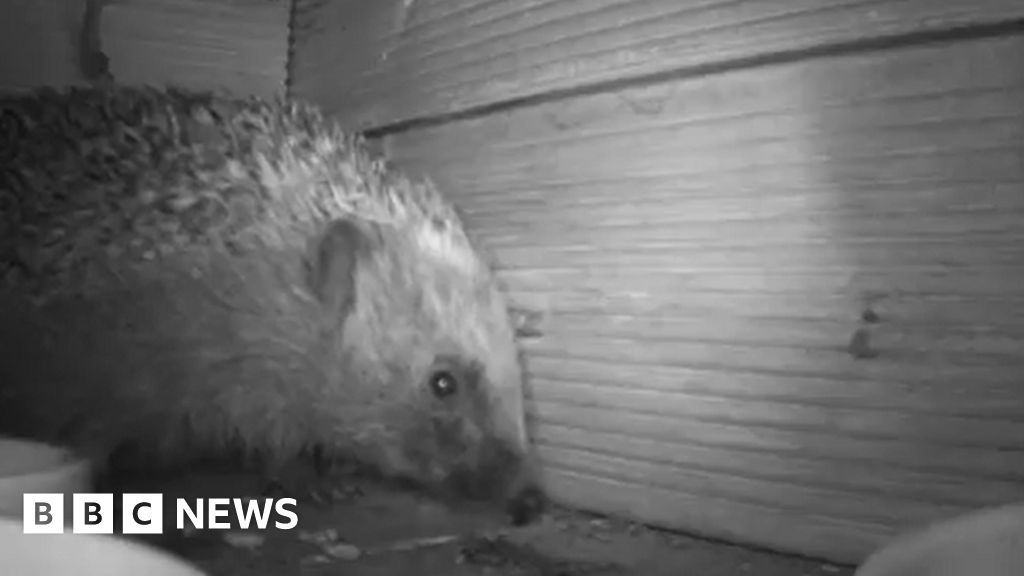
Conducted in Chester, the study involved equipping homeowners with wildlife cameras to observe hedgehog activity across more than 400 gardens. The results were revealing:
- Hedgehogs were spotted in over half of the gardens monitored.
- Food was the primary attraction, indicating a significant reliance on human-provided sustenance.
- As hedgehog numbers dwindle, these nocturnal visits may hold vital clues to their survival.
Lead researcher Kelly Hitchcock emphasized that gardens have emerged as essential habitats for hedgehogs, especially as their natural environments suffer from human activity. The decline of hedgehogs in rural areas is alarming, with reports indicating a drop of up to 50% since 2000. This stark reality calls for immediate action from both individuals and communities.
The Role of Gardens in Hedgehog Conservation
It’s clear that our gardens can serve as sanctuaries for hedgehogs. But what can we do to make them more welcoming? Here are some practical suggestions:
- Leave suitable food out, but ensure it is appropriate for hedgehogs.
- Create wildlife-friendly features like wildflower patches, native plants, and log piles.
- Ensure that hedgehogs can roam freely by including holes in fences.
- Provide safe spaces for hibernation and breeding.
While it’s tempting to feed hedgehogs, we must be cautious. Hitchcock warns that the long-term effects of feeding on hedgehog health are still unclear. The balance between providing assistance and allowing natural behaviors to flourish is delicate.
The Bigger Picture
As urbanization continues to encroach on natural habitats, the plight of the hedgehog becomes emblematic of broader environmental issues. Conservation biologist Dr. Rebecca Thomas notes that gardens are increasingly vital for hedgehogs, and creating wild spaces is essential for their survival. By fostering an environment conducive to their needs, we can help maintain hedgehog populations in suburban settings.
A Call to Action
The urgent message from this study is clear: our gardens can be lifelines for hedgehogs. If we all take small steps to create hospitable spaces, we can significantly impact the future of these beloved animals. As wildlife rescue charities report more hedgehogs needing assistance, it’s crucial to remain vigilant. Any hedgehog seen during the day or appearing injured warrants immediate attention.
As we engage in these conservation efforts, let’s remember that the health of our ecosystems relies on the actions we take today. If we can nurture a healthy hedgehog population, we not only preserve a charming aspect of our natural heritage but also contribute to the ecological balance that benefits us all.
For those interested in the original study and its findings, I encourage you to read the full article here.