



The Enduring Legacy of LS Lowry in Manchester and Salford
As I reflect on the art of LS Lowry, I am transported to my childhood, where an LS Lowry print adorned my grandmother’s bathroom. This print, depicting a bustling street scene filled with people and dogs, has always resonated with me. It’s a reminder of my connection to everyday life—a sentiment I carried with me as I embarked on a Lowry-themed adventure to commemorate the 50th anniversary of his passing.
Exploring the Heart of Lowry’s World
My journey began at the Manchester Art Gallery on Mosley Street, where I was greeted by a collection of Lowry’s works, presented alongside pieces by his mentor, French impressionist Pierre Adolphe Valette. Each painting, whether depicting a street, park, or solitary road, offers a glimpse into shared human experiences.
Critics often belittle Lowry’s technique, but I find that dismissing his work is akin to criticizing a beloved sitcom for its lack of complexity. His art captures the essence of life in a way that is both accessible and profound.
Finding Solace in Tradition
Amidst the pouring rain, I sought refuge at Sam’s Chop House, a historic pub-restaurant that has stood since 1868. It was here that I encountered a bronze statue of Lowry, a fitting tribute to an artist who often found solace in this very establishment. My attempt to capture a selfie with the statue was comically thwarted by its size, but it was a moment that encapsulated my admiration for Lowry.
The Journey into Salford
Crossing the River Irwell into Salford, I was reminded that this city holds its own unique identity, distinct from Manchester. The Lowry Hotel, originally owned by a Lowry enthusiast, offered a glimpse into the artist’s world. Even the gym’s soundtrack—a mix of The Smiths—prompted reflections on Lowry’s steadfast commitment to portraying everyday scenes, even as artistic trends shifted around him.
Lowry’s house is unmarked. I’m tempted to consider this regrettable, but it’s probably what he would have wanted.
A Tour of Lowry’s Life
My guide, John Consterdine, a local legend, took me on a taxi tour of Lowry’s significant sites. We began at Southern Cemetery, where Lowry rests beneath a modest stone cross, adorned with paintbrushes—a fitting symbol of his humble yet impactful legacy.
We then visited Lowry’s childhood home in Victoria Park, a stark contrast to his later life in Pendlebury, a more impoverished area. Despite the challenges he faced, it was here that Lowry discovered the industrial landscape that would inspire his most iconic works.
Salford’s Transformation
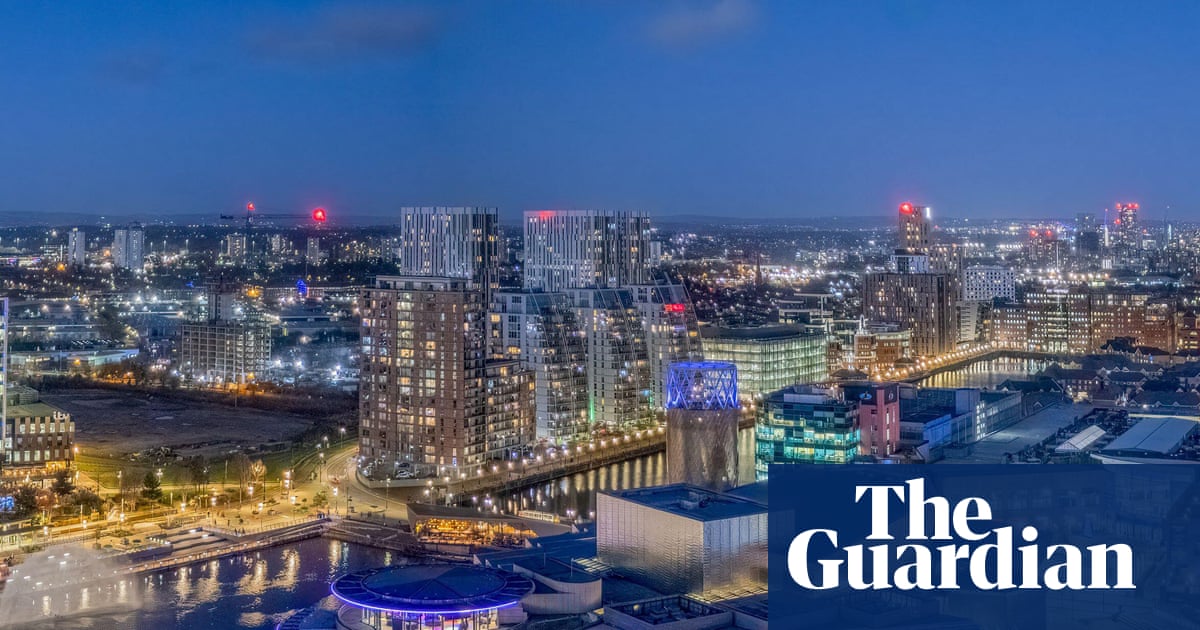
Our journey continued to Salford Quays, once a hub of bustling activity that fell into decline following the cotton market’s collapse. The revitalization efforts that began in the late 1990s were largely spurred by the establishment of The Lowry, a cultural complex that has since transformed the area into a vibrant tourist and residential destination.
Inside The Lowry, I experienced the new immersive exhibition, Lowry 360, which brought the artist’s work to life in an engaging way. Surrounded by vibrant animations of Lowry’s paintings, I felt as though I was stepping into his world, where ordinary life became extraordinary.
Rediscovering Lowry’s Art
Among the highlights was his famous painting, Going to the Match, which depicts a crowd heading to a Bolton Wanderers game. Its history is as captivating as the artwork itself, having been temporarily loaned to the Lowry before being repurchased for a staggering £7.8 million by a passionate supporter. This saga underscores the reverence for Lowry’s work and its significance in the cultural fabric of the region.
- Lowry’s art ranges from mills and streets to parks and seascapes.
- Critics may label him a one-trick pony, but his versatility is evident.
The Match Day Experience
As the day concluded, I transitioned from art to sport, heading to Old Trafford to witness Manchester United face Bournemouth. Although I didn’t have a ticket, the atmosphere outside the stadium was electric. It was a scene I believe Lowry would have captured beautifully, filled with life, energy, and community.
There wasn’t a chimney in sight, but I fancy Lowry would have captured the scene nicely nonetheless.
Conclusion
The experience was a poignant reminder of Lowry’s impact on Manchester and Salford, a legacy that continues to inspire and captivate. As I gazed across the skyline from Hotel Football, I was struck by the transformation of the cities and how they continue to evolve, much like Lowry’s art.
The trip was supported by The Lowry hotel, which has doubles from £162, room-only. Visit manchestertaxitours.co.uk to inquire about John Consterdine’s tours. Manchester Art Gallery and The Lowry have free entry.
For further insights into Lowry’s rejuvenation of Manchester and Salford, feel free to explore the original piece here.