



Tragic Outcomes: The Complexities of Medicinal Cannabis and Mental Health
The recent inquest into the life and tragic death of Oliver Robinson has sparked a significant conversation around the prescribing practices of medicinal cannabis in the UK, particularly for individuals grappling with severe mental health issues. It is a disturbing case that raises questions about patient safety and the responsibilities of healthcare providers.
Oliver Robinson’s Story: A Cautionary Tale
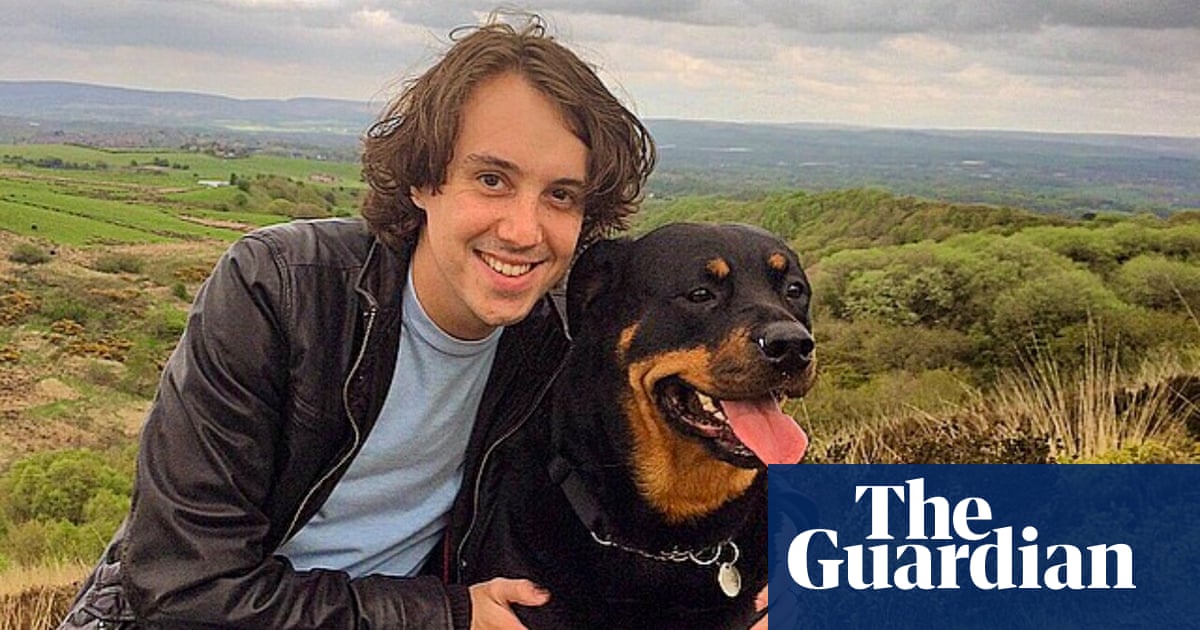
Oliver Robinson, who struggled with depression and addiction, sought help from a private mental health facility and later turned to medicinal cannabis in hopes of finding relief. Unfortunately, his journey ended in tragedy, highlighting the potential risks associated with prescribing cannabis to individuals with serious psychiatric disorders. The inquest revealed that:
- Robinson’s prescription for medicinal cannabis likely contributed to his death.
- The coroner pointed out that it obstructed his access to appropriate psychiatric care.
- This ruling may set a precedent for future cases involving similar circumstances.
The Campaign for Change
In the wake of this harrowing event, Oliver’s brother, Alexander Robinson, has launched a campaign aimed at implementing stricter regulations on private cannabis clinics in the UK. His efforts include:
- A ban on prescribing medicinal cannabis to patients with severe mental illnesses.
- Mandatory consultations with NHS mental health teams.
- Face-to-face assessments for complex cases instead of remote consultations.
- Stricter oversight by the Care Quality Commission (CQC).
- Mandatory reporting of serious adverse events related to cannabis prescriptions.
Alexander’s concerns echo a broader unease within the healthcare community about the lack of robust evidence supporting cannabis as a treatment for depression and the potential for it to exacerbate mental health conditions.
The Legal Landscape of Medicinal Cannabis in the UK
The legalization of medicinal cannabis in the UK in 2018 marked a pivotal moment for patients seeking alternative treatments. However, the reality is that:
- The NHS primarily prescribes only a limited number of licensed cannabis-based medicinal products (CBMPs).
- Most cannabis products prescribed privately are unlicensed, raising questions about their safety and efficacy.
- Data shows a staggering increase in the number of unlicensed products prescribed, indicating a rapid growth of this market.
Despite the potential benefits, the guidelines for prescribing cannabis in the UK are not stringent enough, particularly for vulnerable populations. Dr. Pavan Chahl’s testimony during the inquest emphasized that current guidance advises against prescribing cannabis to individuals with a history of severe psychiatric disorders, yet this was overlooked in Oliver’s case.
Lessons Learned and the Path Forward
The tragic demise of Oliver Robinson serves as a stark reminder of the need for caution and responsibility in the burgeoning field of medicinal cannabis. As we reflect on his story, it becomes clear that:
- Healthcare providers must be vigilant about the implications of prescribing practices, especially for at-risk individuals.
- There is an urgent need for comprehensive regulatory frameworks to ensure patient safety and well-being.
- The voices of families affected by such tragedies should be at the forefront of advocacy for change.
As Alexander Robinson continues his campaign, the healthcare community must listen and act to prevent future tragedies. The dialogue surrounding medicinal cannabis is essential, and it is imperative that we prioritize patient safety above all else.
For those interested in delving deeper into this story and its implications, I encourage you to read the original news report here.