



Work Out Where You Stand
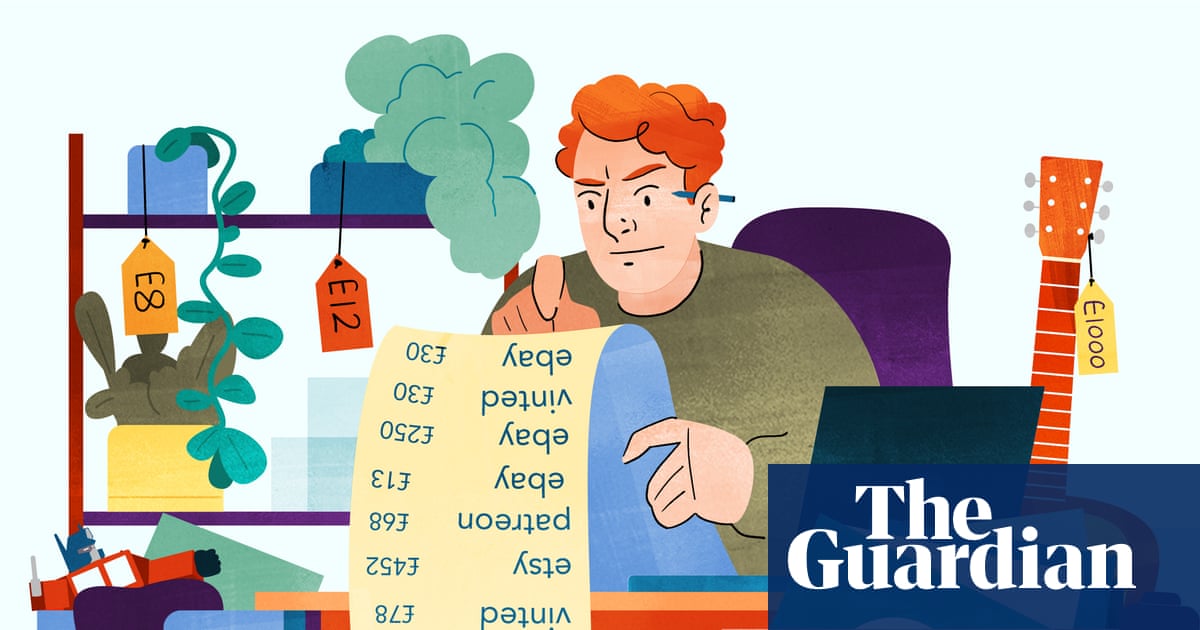
As we dive into 2024, the landscape of online selling has evolved significantly. Platforms like Vinted, eBay, and Airbnb are now mandated to share user data with HM Revenue and Customs (HMRC) for those selling more than 30 items annually or earning over £1,700 (approximately €2,000). However, it’s worth noting that this requirement does not automatically imply that these sellers owe additional income tax.
Understanding your tax obligations is crucial. You might face a tax bill or need to provide documentation to demonstrate that you owe nothing. Here are some key considerations:
- Selling personal possessions, such as old clothes, is generally tax-free unless any single item sells for more than £6,000, which must be reported to HMRC and could incur capital gains tax.
- Income from trading, freelancing, or renting out equipment does count towards your taxable income.
- Even profits from running a market stall fall under the same scrutiny; tracking your figures diligently is essential.
Know Trading vs. Selling
Understanding the distinction between casual selling and trading is vital. According to Lee Murphy, managing director at The Accountancy Partnership, consider these questions:
- Are you buying items specifically to sell and profit?
- Do you sell regularly and in a systematic manner?
- Have you ever bought items, refurbished them, and then sold them?
Answering yes to any of these queries may categorize you as a trader, which has significant tax implications. Additionally, the length of time you own an item before selling it and whether loans were taken out to purchase the item can impact your status.
Check Your Allowance
In the UK, every individual benefits from a £1,000 tax-free trading allowance each year. If your income from extra work falls below this threshold, there’s no need to declare it to HMRC. Additionally, landlords can take advantage of a £1,000 tax-free property allowance, and the Rent a Room scheme allows for tax-free earnings of £7,500 from lodgers.
Utilizing the Gov.uk website’s questionnaire can help determine if you need to inform HMRC about your additional income.
Ready for Self-Assessment
For those earning more than £1,000 from supplementary work, such income is added to your overall earnings and taxed as per the applicable income band. Notably, changes to self-assessment rules are set for 2029, introducing a simplified online service for declaring additional income below £3,000 annually.
However, until then, registering for self-assessment is necessary. Start by applying for a unique taxpayer reference (UTR), which typically takes about two weeks to receive. Once you have your UTR, you can register online and complete your tax return.
Keep Records …
Research indicates that UK individuals engaged in side work earn an average of £470 monthly, significantly exceeding the £1,000 allowance. Hence, maintaining comprehensive records of your earnings and expenses is essential for accurate tax calculations.
If you sell items on platforms like Vinted or eBay, retain receipts as evidence that these items are personal possessions, thus exempt from income tax. This is particularly critical for high-value items.
- Download transaction histories from online platforms for your records.
- For in-person sales, utilize a paper receipt book for tracking.
… And Remember Expenses
Expenses related to your additional work can be tax-deductible. Whether it’s software for creating online content or tools for crafting goods, these costs are essential to track. For landlords, expenses such as repairs and insurance are applicable for deductions.
Don’t Panic
Receiving correspondence from HMRC can be daunting, but it’s crucial to review it carefully. Often, these letters request additional information or clarification. It’s advisable to check the tax year involved and any deadlines provided, hence verifying your records before reaching out to HMRC.
Ignoring these communications can result in significant issues, including hefty fines. If you’ve sold expensive second-hand items and lack receipts, don’t panic. A bank statement or photos can serve as proof of ownership.
Be Proactive
If unexpected tax liabilities arise and you lack the savings to address them, proactive communication with HMRC is essential. Establishing an open line of dialogue can lead to flexible arrangements, such as the “Time to Pay” option, allowing you to manage repayments in installments.
For further details on managing your tax obligations, I encourage you to read the original news article here.