



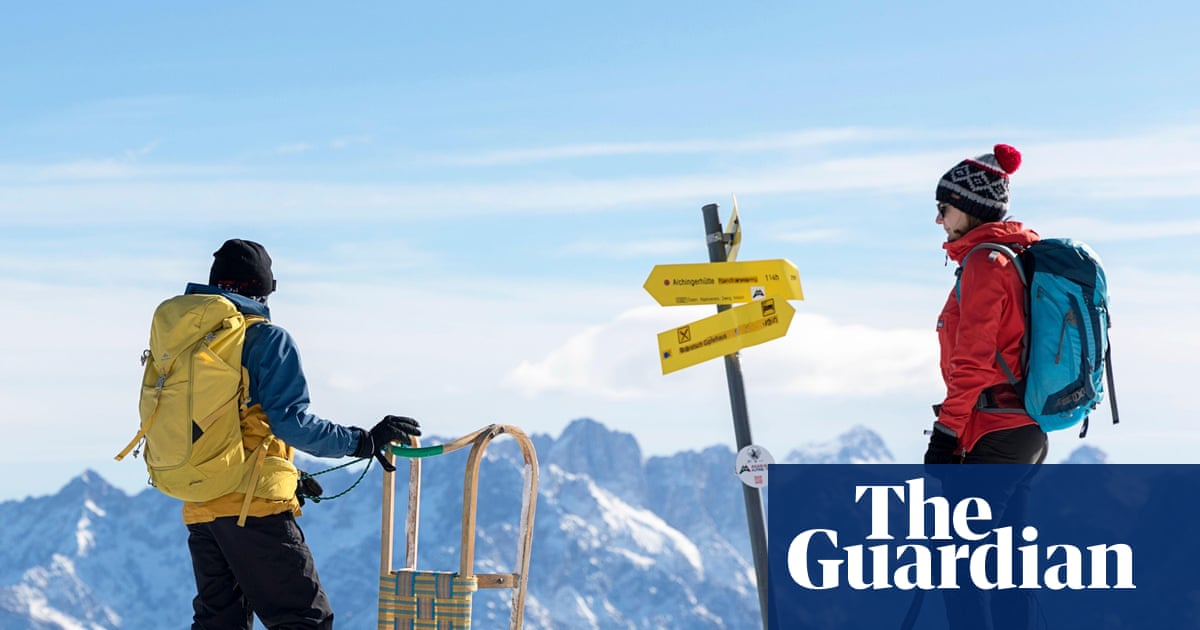
Dobratsch Nature Park: A Sustainable Approach to Winter Recreation
As I strolled along the winding trails of Dobratsch Nature Park in Carinthia, the serenity of the snowy landscape was punctuated by the laughter and joy of families enjoying the winter wonderland. It’s a scene that captures the essence of what local outdoor recreation should be about—community, sustainability, and a deep connection to nature.
The Transition from Ski Resort to Nature Park
Once a bustling ski resort until 2002, Dobratsch faced a crucial decision in the wake of escalating climate challenges. With rising temperatures and dwindling snowfall, local residents, alongside park ranger Birgit Pichorner, chose to embrace a different path. They opted to close the ski resort and develop a nature park that prioritizes environmental health and community well-being.
- Environmental Concerns: The introduction of artificial snow, or Maschinenschnee, poses significant ecological risks. It requires vast amounts of energy and water, potentially compromising local drinking water sources.
- Community Benefits: The new nature park model not only protects local fauna and flora but also fosters community engagement through year-round recreational activities.
- Education and Awareness: Educational programs for schoolchildren ensure the next generation understands the importance of preserving these natural habitats.
Experiencing Authentic Winter Recreation
During my visit, I embarked on a hike through the pristine winter landscape, reveling in the soft crunch of real snow beneath my boots. The atmosphere was charged with a sense of nostalgia, enhanced by the absence of artificial elements that often characterize modern ski resorts.
The Drawbacks of Artificial Snow
Having spent some time in St Anton, where the constant hum of snow cannons filled the air, I witnessed firsthand the stark difference between manufactured snow and its natural counterpart. The experience was disorienting—where once I expected the delicate beauty of snowflakes, I instead encountered a gritty, heavy substitute that lacked the charm of nature’s design.
- Financial Implications: The reliance on artificial snow not only raises operational costs for resorts but also affects pricing for visitors, making winter sports less accessible.
- Quality of Experience: Walking and skiing on machine-made snow is far less enjoyable, often resembling ice rather than the fluffy consistency of natural snow.
Embracing Nature’s Variability
In my adventure to Mallnitz, guided by Klaus Alber, I was reminded of the beauty of embracing nature’s unpredictability. Klaus highlighted the changing climate patterns and the need for flexibility in winter sports. Instead of adhering solely to skiing, we explored snow touring, which allows for a richer engagement with the environment, showcasing the stunning landscapes that might otherwise remain hidden under a blanket of artificial snow.
The Future of Winter Sports
The choice made by Dobratsch to reject artificial snow in favor of preserving their natural environment is a model for other ski resorts grappling with similar challenges. As climate change continues to reshape our environments, the need for sustainable practices will be paramount.
- Community-Centric Models: Nature parks can provide local communities with affordable recreation options while safeguarding ecological integrity.
- Encouraging Environmental Stewardship: Fostering a relationship with nature through education and responsible tourism can lead to a more sustainable future.
In conclusion, my experiences in Dobratsch and Mallnitz underscore the importance of prioritizing sustainability in winter recreation. It’s not just about skiing; it’s about enjoying and preserving the natural world around us.
For a deeper dive into this topic, I encourage you to read the original news article here.