



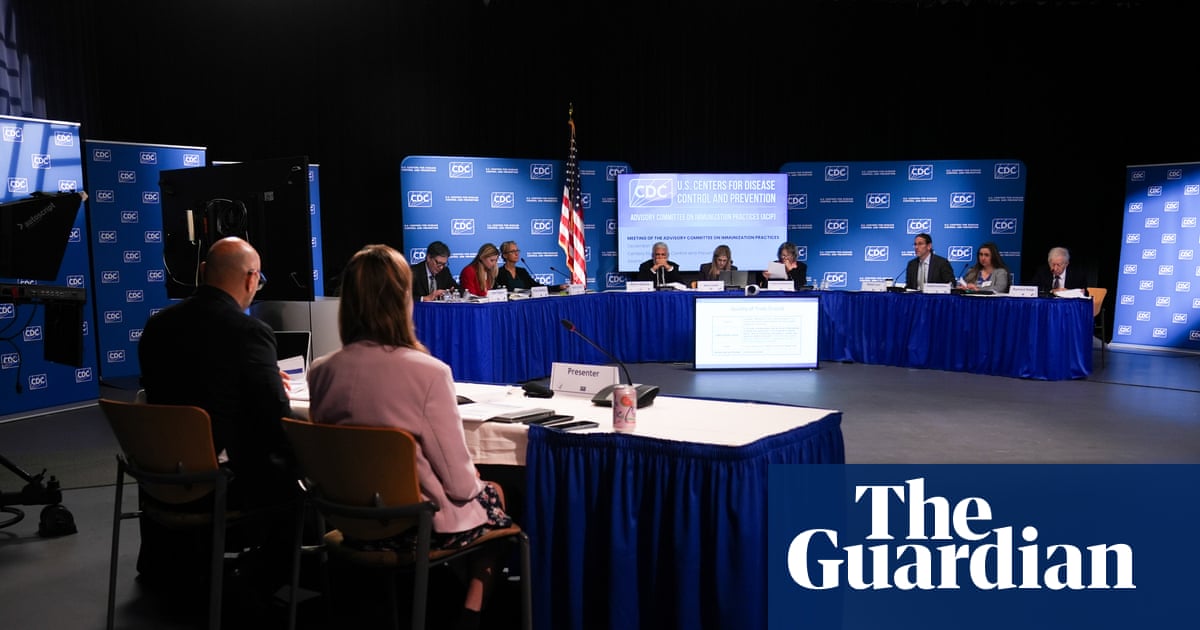
CDC Vaccine Advisory Panel Postponement: Analyzing the Implications
In a significant development, the US vaccine advisory panel’s meeting, originally slated for late February, has been postponed. This decision comes amidst ongoing legal challenges that raise questions about the panel’s legitimacy and its future role in shaping vaccination policies across the nation.
Context of the Postponement
The Advisory Committee on Immunization Practices (ACIP) is crucial in determining vaccine recommendations for both children and adults. Its insights traditionally influence insurance coverage, state vaccination requirements, and the guidance provided by healthcare professionals. Here are key points surrounding the postponement:
- Legal Challenges: A Boston court is currently reviewing a challenge from the American Academy of Pediatrics, questioning the committee’s authority.
- Political Dynamics: Health Secretary Robert F. Kennedy Jr., a notable critic of vaccines, has been advocating for substantial changes in federal vaccination policies.
- Impact on the Vaccine Schedule: The proposed changes include removing recommendations for routine childhood immunizations, such as Covid and hepatitis B vaccines.
Implications of Leadership Changes
Not only is the ACIP facing scrutiny, but the CDC is also undergoing leadership transitions. With Jay Bhattacharya from the National Institutes of Health stepping in as the acting CDC director, we could witness shifts in the agency’s direction and focus. This change comes at a time when public trust in vaccination and health recommendations is being heavily debated.
Concerns from the Medical Community
The modifications to the childhood vaccine schedule led by Kennedy’s appointed advisers have raised alarms among many health experts. The following concerns are prevalent:
- Vaccine Safety: There is an increasing apprehension about vaccine safety following the recent changes, particularly with the controversial decision to halt the hepatitis B vaccine recommendation for infants.
- Public Health Risks: Experts are worried that these policy shifts may undermine public confidence in vaccines, potentially leading to greater health risks for the population.
- Reevaluation of Recommendations: The ACIP’s top adviser indicated that all vaccine recommendations are under reconsideration, which could have far-reaching consequences.
Looking Ahead
As the ACIP reschedules its meeting for March, the outcomes of these deliberations will be closely watched. The intersection of legal challenges, political influence, and public health policy presents a complex landscape for vaccine advocacy and implementation. The implications of these changes could be profound, affecting not only vaccination rates but also the overall health of the nation.
For those interested in the original news and further details, I encourage you to read the full article from the source here.