



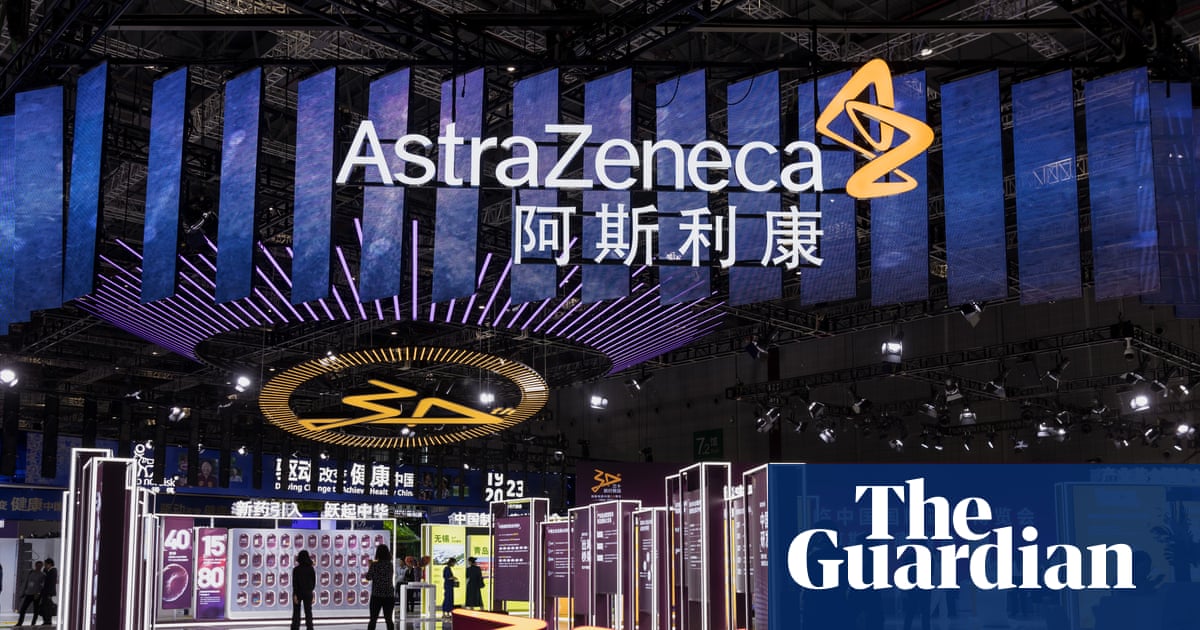
AstraZeneca’s $15 Billion Investment in China: A Strategic Shift
In a significant move that underscores the changing landscape of pharmaceutical investments, AstraZeneca, Britain’s largest drugmaker, has announced plans to invest $15 billion (£11 billion) in China. This announcement comes during Keir Starmer’s recent visit to the country, marking a pivotal moment for both AstraZeneca and the UK’s pharmaceutical sector.
Investment Details and Implications
The investment, slated to be completed by 2030, will focus on expanding manufacturing capabilities and enhancing research and development within China, where AstraZeneca already maintains a robust presence. Key components of this investment include:
- Construction of a $2.5 billion research hub in Beijing, previously announced in March.
- Expansion of existing manufacturing facilities in Wuxi, Taizhou, Qingdao, and Beijing.
- Creation of over 3,000 new jobs, increasing AstraZeneca’s workforce in China from 17,000 to beyond 20,000.
During his visit, Starmer emphasized that this multibillion-pound investment would not only bolster AstraZeneca’s growth but would also support thousands of jobs in the UK. This statement highlights the ongoing interdependence between global operations and local employment.
Context of the Investment
This investment comes on the heels of a strained relationship between AstraZeneca and the UK government, particularly concerning drug pricing and other regulatory challenges. Notable recent developments include:
- A pause on a planned £200 million expansion of a Cambridge research site.
- Cancellations of a £450 million investment in a vaccine site in Speke.
It is clear that AstraZeneca is recalibrating its strategy, pivoting towards a region that offers significant growth potential amid uncertainties in its home market.
Strategic Focus on Innovation
Pascal Soriot, AstraZeneca’s CEO, referred to this investment as a “landmark” for the company, positioning China as a crucial hub for scientific innovation and advanced manufacturing. The funding will support breakthrough treatments, particularly in:
- Cell therapy
- Radioconjugates, a targeted cancer treatment
With six global research hubs, including two in China, AstraZeneca’s collaborative efforts with over 500 clinical hospitals have yielded numerous global clinical trials in recent years. This positions the company at the forefront of medical research and development on a global scale.
Challenges Ahead
Despite the optimistic outlook, AstraZeneca faces challenges in China, including an ongoing investigation by authorities regarding allegations of unpaid import taxes and breaches of data privacy laws. The detention of several staff members, including Leon Wang, president of its Chinese subsidiary, adds another layer of complexity to its operations in this vital market.
Conclusion
As AstraZeneca embarks on this ambitious investment in China, it raises important questions about the future of pharmaceutical investments and innovations. The balance between navigating regulatory environments and fostering growth in emerging markets will be crucial for AstraZeneca and its peers moving forward. It will be interesting to see how this investment impacts not only AstraZeneca’s operations but also the broader UK pharmaceutical landscape.
For more in-depth coverage of this story, I encourage you to read the original news article here.