



The Crisis Facing Taxonomy: A Deep Dive into the World of Biting Midges
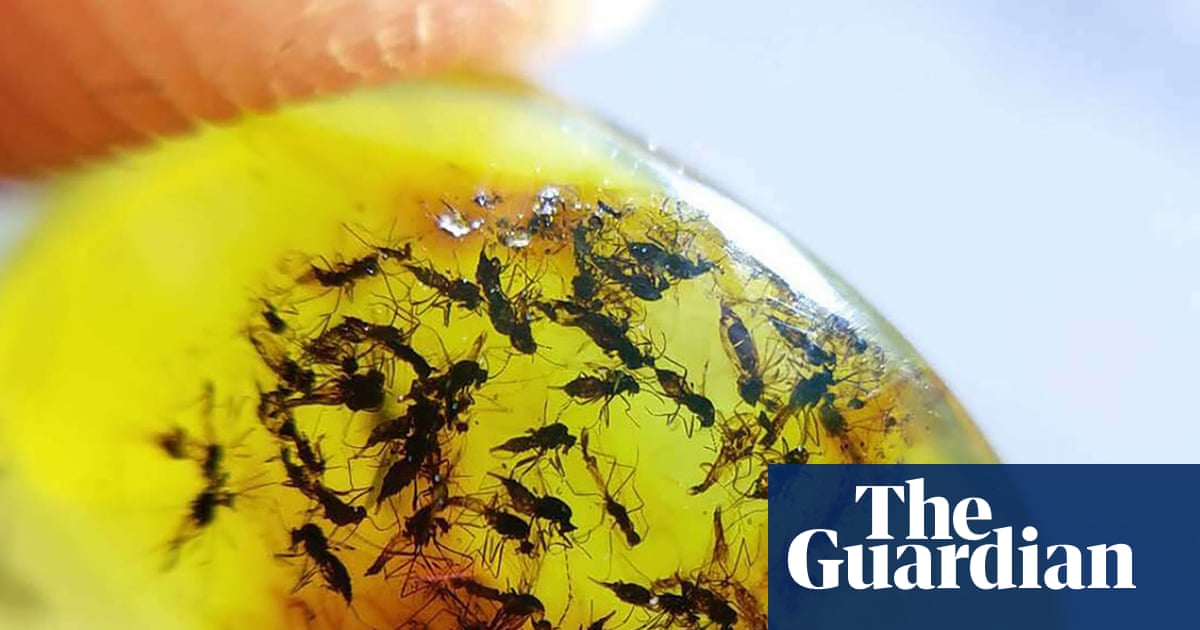
Art Borkent, a seasoned taxonomist, has dedicated his life to the study of biting midges, a family of flies that boasts over 6,000 known species. With a rich history of describing and naming more than 300 of these creatures, Borkent embodies the passion and expertise that is increasingly becoming rare in the field of taxonomy. As he holds up a fossilized gnat trapped in amber from the dinosaur era, it becomes clear that the legacy of his work may soon face a perilous decline.
The Uncertain Future of Taxonomy
As Borkent approaches the twilight of his career, he faces the unsettling reality that few, if any, will carry on his vital work. The pressing question arises: what happens to the study of biting midges when he can no longer contribute?
- Borkent notes that the taxonomic community is aging swiftly, with fewer individuals entering the field.
- He laments the lack of grant funding and job opportunities in universities and museums.
- Many of his contemporaries have already retired or succumbed to health issues.
He poignantly remarks, “My science is dying.” This sentiment resonates deeply, as it highlights a broader crisis within taxonomy itself—a discipline that is foundational to biodiversity science yet is facing an existential threat.
The Biodiversity Crisis
Humans have identified over 2.1 million species on Earth, but this represents only a fraction of the estimated total. Some scientists believe that we share our planet with up to a trillion species, many of which remain undiscovered. The urgency to document biodiversity is underscored by alarming predictions of a sixth mass extinction, driven largely by human activity.
- Insects are the most diverse group of invertebrates, with estimates of 2 to 3 million species yet to be described.
- Borkent highlights that about half of these insect families are already taxonomically orphaned.
- Taxonomists worldwide are dwindling, with a recent survey revealing that many countries have less than ten plant taxonomists.
Despite the critical importance of taxonomy in understanding and conserving life on Earth, many universities have dropped the subject from biology curricula. The perception of taxonomists as outdated “stamp collectors” contributes to a lack of interest from younger generations.
The Role of DNA Barcoding
Technological advancements such as DNA barcoding have transformed the field, allowing for rapid species identification. However, Borkent warns of its limitations:
- While DNA barcoding can identify known species, it fails to provide insights into behavior, ecology, or interactions within ecosystems.
- Understanding the full context of species requires traditional taxonomy, which documents not just what species are, but how they function within their environments.
As Borkent puts it, “Barcoding is a very powerful technique, but it cannot replace the nuanced understanding that traditional taxonomy provides.”
Looking Ahead
The future of taxonomy hangs in the balance, with many taxonomists feeling overwhelmed by the pressures of their work. Borkent emphasizes the importance of continuing this field of study, not just for academic purposes, but for our broader relationship with nature:
“There’s something about our relationship with nature that is so deeply intimate. I love biting midges because I know what their hearts look like.”
As he prepares for future gatherings of taxonomists, the atmosphere is often one of despair, with colleagues expressing their frustrations and fears over the future of their profession.
The stories of these scientists are a call to action. We must foster a new generation of taxonomists committed to uncovering the mysteries of biodiversity before they slip into the annals of history, forever unknown.
For a deeper understanding of the challenges facing taxonomy today, I encourage you to read the original article from The Guardian here.