



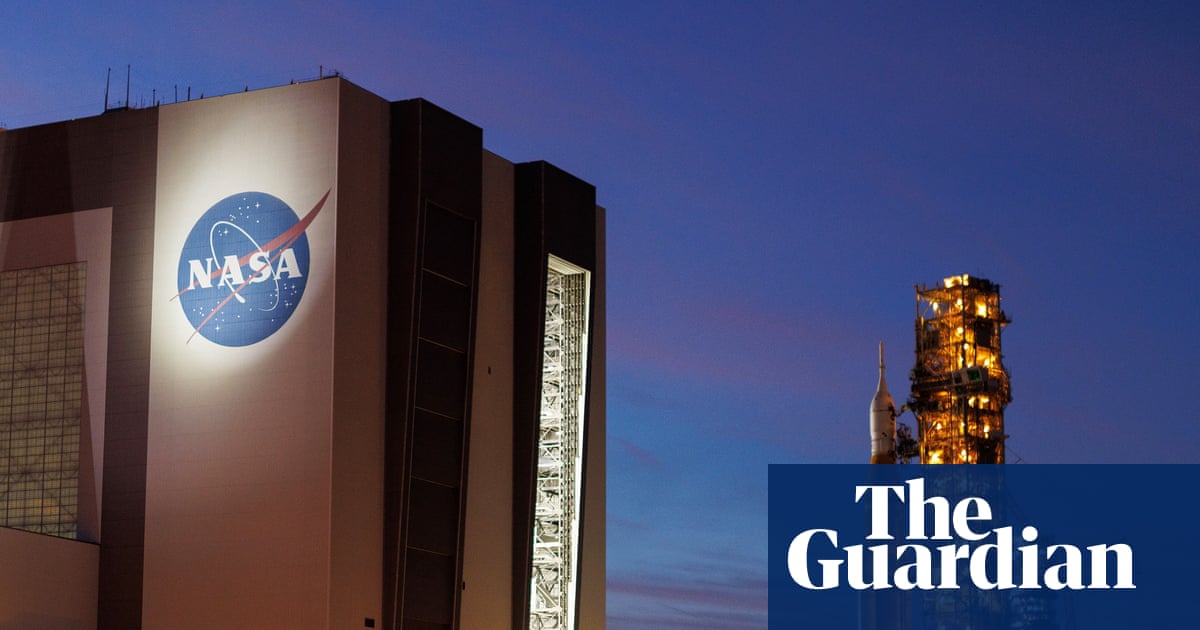
NASA’s New Lunar Strategy: Opportunities Amidst Challenges
Last Friday, the atmosphere at Lunar Outpost’s headquarters in Colorado was charged with anticipation as CEO Justin Cyrus awaited news from a surprise press conference called by Jared Isaacman, NASA’s new administrator. With the Artemis program’s ambition to return humans to the Moon, any announcement regarding its direction would undoubtedly hold significant implications for contractors like Lunar Outpost.
A Surprising Shift in Plans
What unfolded during the press conference, however, was far from ordinary. NASA announced a major restructuring of its lunar strategy, shifting the timeline for the first human lunar landing in over 50 years to a tentative launch of Artemis IV in 2028. This decision comes on the heels of technical challenges that have plagued the Artemis program, pushing costs into the billions and timelines well beyond initial estimates.
Implications for Contractors
For companies like Lunar Outpost, this announcement raises a mix of questions and opportunities:
- Budgetary Concerns: The delay may affect funding and resource allocation for ongoing projects.
- Strategic Adjustments: Contractors must adapt their operations to the new timeline and requirements.
- Innovation Opportunities: The shift opens doors for developing technologies that align with NASA’s renewed focus on sustained lunar presence.
Finding Opportunity in Adversity
Despite the challenges, Cyrus remains optimistic. He sees the delay as a chance for Lunar Outpost to enhance its contributions to the Artemis program:
- MAPP Rover: The Mobile Autonomous Prospecting Platform, a key technology for lunar habitation, is set to accompany the Artemis IV astronauts.
- Continuous Development: The team is diligently working on finalizing the rover’s systems and preparing for the next lunar mission.
- Future Missions: Lunar Outpost has plans for multiple missions, signaling a commitment to the long-term goals of lunar exploration.
Resilience in the Face of Setbacks
The story of Lunar Outpost is emblematic of the resilience required in the space industry. Founded in 2017, the company has faced its share of difficulties, including the unfortunate misadventure of its MAPP rover, which, despite reaching the lunar surface, was trapped due to a landing mishap. Cyrus reflects on this experience:
“It got to the moon, it survived the tough landing, and unfortunately, we just couldn’t get it out of the garage.”
This sentiment captures the essence of the challenges faced by private contractors in the realm of space exploration, yet it also highlights their determination to innovate and adapt.
Looking Ahead
Cyrus’s forward-looking perspective is evident in his remarks about the future:
“We have five missions currently signed up going to the moon, and hopefully the Eagle LTV with NASA is going to be announced within the next couple of weeks.”
This optimism reflects the broader potential for collaboration between government entities and private enterprises in advancing human space exploration.
Conclusion
As we observe NASA’s renewed commitment to lunar exploration and the challenges that accompany it, it’s crucial to take a balanced view. The obstacles faced are significant, but so too are the opportunities for innovation and growth. Lunar Outpost stands as a testament to the potential of public-private partnerships in shaping the future of space exploration.
For a deeper understanding and more details, I encourage you to read the original news article here.