



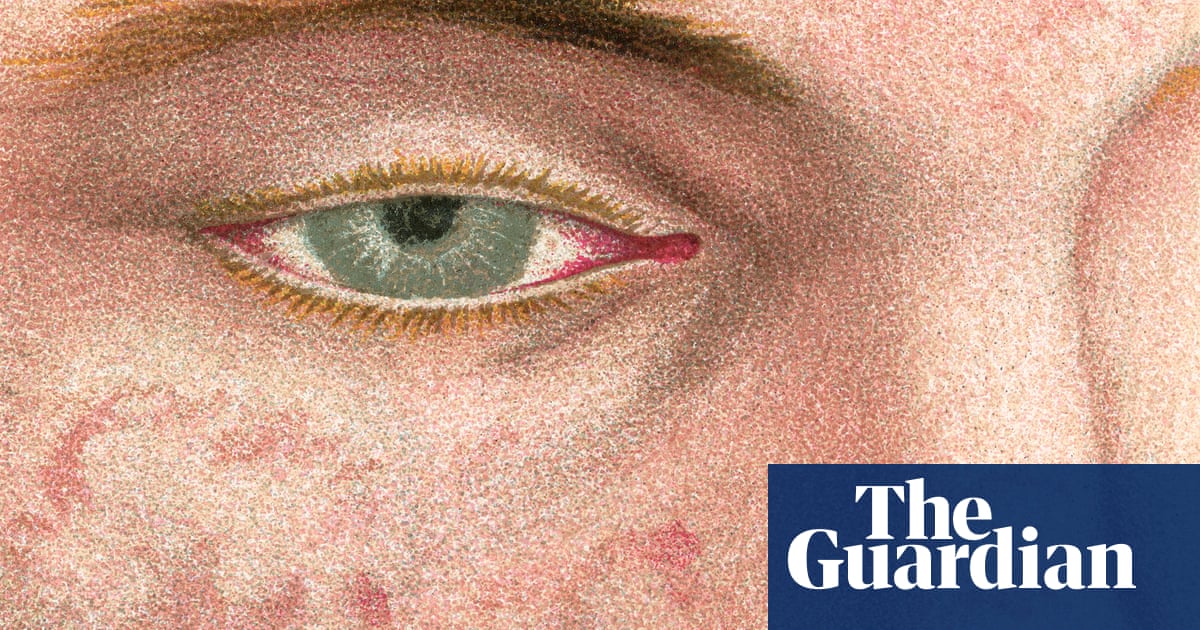
The Alarming Resurgence of Measles in the UK
As I reflect on the recent surge of measles cases in the UK, it becomes increasingly clear that we are facing a public health crisis that demands urgent attention. The story of Saijal Ladd, a 53-year-old NHS pharmacist who experienced a near-fatal encounter with measles, serves as a stark reminder of the virus’s deadly potential.
A Personal Encounter with Measles
Ladd’s harrowing experience is not just a statistic; it is a personal account of suffering that highlights both the physical toll of measles and the broader implications of declining vaccination rates. Her symptoms escalated quickly, leading to severe respiratory distress and hospitalization. This alarming case illustrates the severe consequences of measles, which, despite being preventable, has re-emerged as a significant threat.
- Severe Symptoms: Ladd experienced breathlessness, vomiting, and a rash that indicated the presence of measles.
- Hospitalization: She spent a week in the hospital, battling life-threatening complications.
- Long-Term Effects: Even after recovery, she required three months off work and continues to carry the emotional burden of her experience.
The Statistics Speak Volumes
Recent statistics paint a grim picture: in 2023, the UK reported 481 measles cases, a staggering increase from just 63 the previous year. The situation has worsened further in 2024, with cases soaring to 3,681. This resurgence correlates with a troubling decline in vaccination rates, particularly among young children.
- Declining Vaccination Rates: The UK’s average coverage for the first MMR dose is at 92.3%, and only 84.4% for the second dose.
- Geographical Disparities: Some areas, like Hackney, have alarmingly low vaccination rates, with just 65.3% for the first dose.
- Impact on Children: The majority of cases are in children aged 10 and under, underscoring the vulnerability of this population.
The Role of Misinformation
The surge in measles cases is exacerbated by the proliferation of misinformation surrounding vaccines. Social media platforms amplify doubts about vaccine safety, leading to hesitancy among parents. Despite the overwhelming scientific consensus supporting vaccines, voices of skepticism resonate loudly.
- Social Media Impact: Platforms like TikTok and Facebook host numerous posts challenging vaccine efficacy.
- Parental Concerns: Many parents express doubts, often influenced by discredited claims linking vaccines to autism.
- Trust in Healthcare: While many parents trust NHS information, misinformation can overshadow credible sources.
Addressing Accessibility and Equity
Equity in vaccine distribution is crucial. Dr. Vanessa Saliba of the UK Health Security Agency emphasizes that consistent vaccination coverage across all communities is essential for herd immunity. The decline in vaccination rates correlates with accessibility issues in high-deprivation areas, where health services have faced significant cuts.
- Service Cuts: Year-on-year cuts to health services have contributed to a decline in vaccination coverage.
- Community Engagement: Tailored outreach programs are necessary to address specific community concerns and barriers.
- Flexible Appointments: GP appointments need to be more accessible to accommodate families.
Lessons from the Past
The stories of individuals like Alan Crowther, who suffered permanent damage from measles before the vaccine was available, are critical in reminding us of the risks associated with the disease. Crowther’s plea to parents to consider his experience underscores the urgent need for a renewed focus on vaccination.
In conclusion, the resurgence of measles in the UK is a clarion call for action. The combination of declining vaccination rates, misinformation, and inequitable access to healthcare services has created a perfect storm. It is imperative that we address these issues head-on to protect our communities from the devastating consequences of measles.
For further details on this pressing issue, I encourage you to read the original news article here.