



The Future of Ofcom: A Crucial Appointment Ahead
Labour Party seems to be gaining confidence as they assert their identity, especially in their opposition to Donald Trump and his provocations. This newfound assertiveness is reflected in a particular challenge they now face: the selection of a new chair for Ofcom, the media regulator. This decision will serve as a pivotal indicator of the government’s current mindset.
The State of Ofcom: A Regulatory Challenge
Ofcom has been criticized for its lack of effectiveness, especially concerning online harm regulations. The government is now under pressure to enhance protections, particularly for children and to safeguard public discourse against the libertarian right’s extreme interpretations of free speech.
- Kemi Badenoch, a prominent figure advocating for free speech, previously argued for loosening restrictions on the Online Safety Act.
- Keir Starmer, in contrast, is pushing for stricter regulations, including a ban on addictive algorithms.
The Frontrunners: Who Will Lead Ofcom?
Two notable candidates for the role have emerged:
- Jeremy Wright: The former attorney general has a background in digital culture and media. He has called for better enforcement of the Online Safety Act and could serve as a reasonable regulator under a Conservative government.
- Margaret Hodge: Known for her fierce scrutiny of online monopolies, Hodge has challenged major corporations on their tax practices and accountability. Her track record suggests she would not shy away from taking on powerful interests.
A Political Tightrope
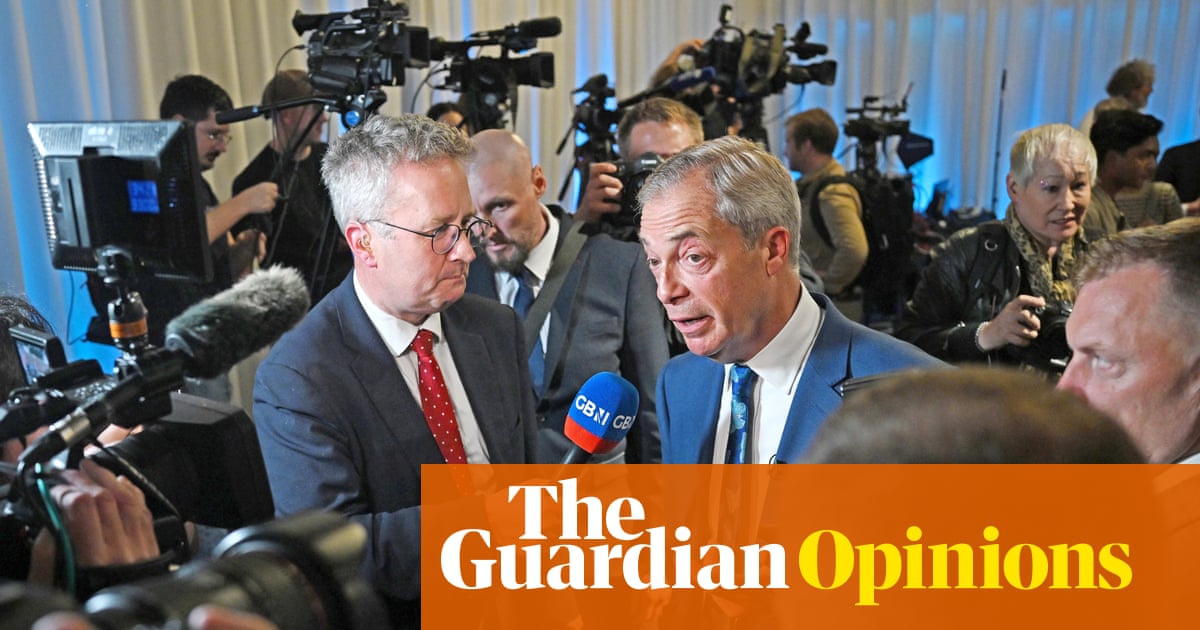
The next chair of Ofcom will face significant challenges, particularly regarding the impartiality of broadcasting. The emergence of GB News as a platform for right-wing rhetoric poses a serious threat to the integrity of British media.
Consider the implications:
- Imagine if Labour endorsed a broadcaster that promoted extreme leftist views—there would be an uproar.
- GB News, however, has been accused of disseminating misleading information and failing to adhere to impartiality standards.
GB News: A Case Study in Regulatory Failure
An investigation by Alan Rusbridger exposed the shortcomings of Ofcom in regulating GB News, revealing gross non-compliance with broadcasting standards. The overall compliance score for GB News was alarmingly low, and its coverage has been criticized for lacking critical scrutiny.
Even prominent figures from the right, like Andrew Neil, have distanced themselves from the channel, suggesting that GB News has indeed veered into territory reminiscent of Fox News.
The Need for Stronger Regulation
Broadcasting impartiality laws were designed to prevent the commercialization of media from following the path of sensationalist newspapers. Yet, the failure of Ofcom to address the issues posed by GB News raises serious questions about its current leadership.
As we reflect on the broader media landscape and its impact on democracy, it becomes clear that effective regulation is more critical than ever. The new chair must possess the courage and determination to reinvigorate Ofcom and uphold the principles of impartiality.
Conclusion: A Call for Accountability
It is imperative that the government appoints a chair who is not only competent but also willing to challenge the status quo. Margaret Hodge, with her fearless approach, may be the leader Ofcom needs to confront these pressing issues head-on.
For those interested in the full context of this ongoing situation, I encourage you to read the original news article here.