



BBC’s New Leadership: A Critical Turning Point
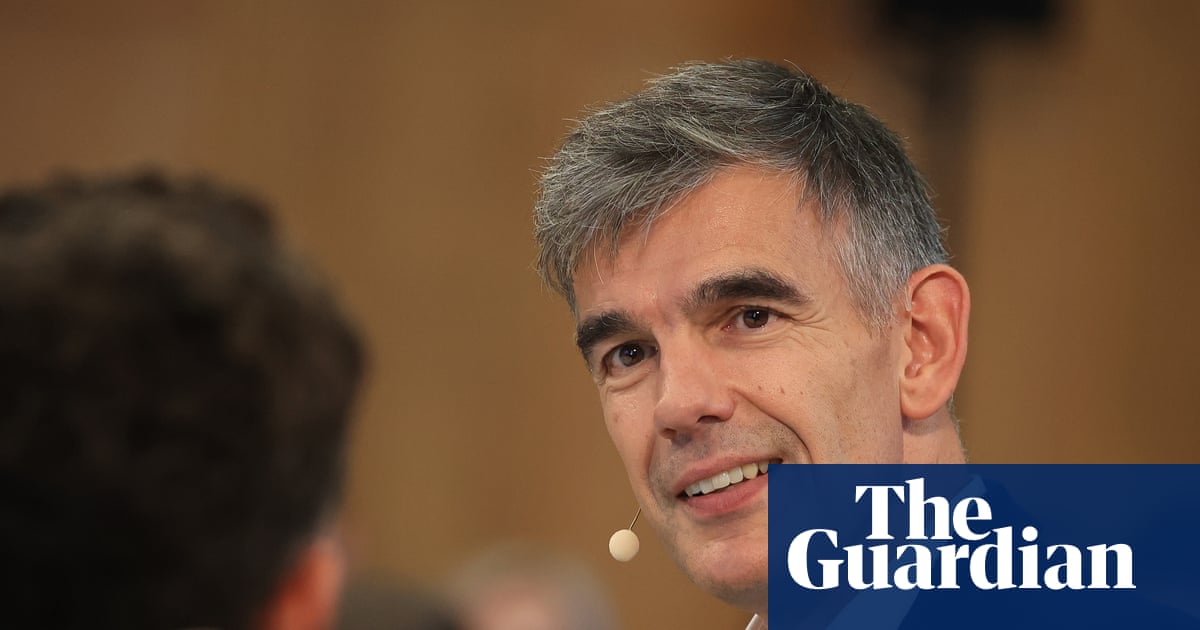
The BBC has made a significant move by appointing Matt Brittin, a former tech executive, as its new director general. This decision comes at a time when the corporation faces crucial challenges, including negotiations over its funding model and the rapidly evolving landscape of media consumption. Let’s delve into the implications of this appointment and what it could mean for the future of the BBC.
Matt Brittin: A Fresh Perspective with Notable Experience
Brittin, who previously served as Google’s president for Europe, the Middle East, and Africa, brings a wealth of experience from the tech industry. His appointment was confirmed following a board meeting at the BBC, where his ability to navigate complex situations was highlighted. However, some insiders express concerns regarding his lack of editorial experience, raising questions about his capacity to handle the inevitable crises that the BBC faces.
- Background: Former Olympic rower and Doctor Who aficionado.
- Experience: Extensive background in managing high-profile organizations through transformation.
- Challenges Ahead: Brittin will need to address staffing cuts and programming decisions as the BBC seeks to redefine its funding model amidst declining license fee revenues.
The Pressing Issues Facing the BBC
The BBC stands at a crossroads, grappling with several pressing issues:
- Funding Model: The traditional license fee model is under threat as more households choose not to pay.
- Government Negotiations: Brittin must engage in delicate discussions regarding the renewal of the BBC’s royal charter.
- Big Tech Influence: With platforms like YouTube gaining dominance, the BBC risks losing its audience if it fails to adapt strategically.
Strategic Vision for the Future
Brittin’s vision for the BBC emphasizes the need for a vibrant and responsive public service broadcaster. He stated, “Now, more than ever, we need a thriving BBC that works for everyone in a complex, uncertain and fast-changing world.” His focus on innovation and creativity is commendable, but it must be matched with a robust approach to editorial integrity and public trust.
Key Support Roles and Future Appointments
To bolster Brittin’s leadership, the BBC plans to establish a deputy director general position, likely filled by someone with significant editorial experience. This is a crucial step in ensuring that the BBC maintains its journalistic standards while navigating the challenges ahead.
Political and Public Scrutiny
It’s important to note that Brittin steps into this role amidst heightened scrutiny of the BBC. The outgoing director general, Tim Davie, faced allegations of bias and criticism over editorial decisions. The political landscape surrounding the BBC is complex, with figures like Donald Trump openly criticizing the organization. This environment adds another layer of difficulty to Brittin’s new role.
Conclusion
As Matt Brittin takes the helm of the BBC, he enters a pivotal moment for the organization. His tech background could provide fresh insights into modernizing the BBC, but he must also navigate the treacherous waters of media integrity and public trust. Will he be able to balance innovation with the core values that have defined the BBC for over a century? Only time will tell.
For a more detailed look at this development, I encourage you to read the original news article here.