



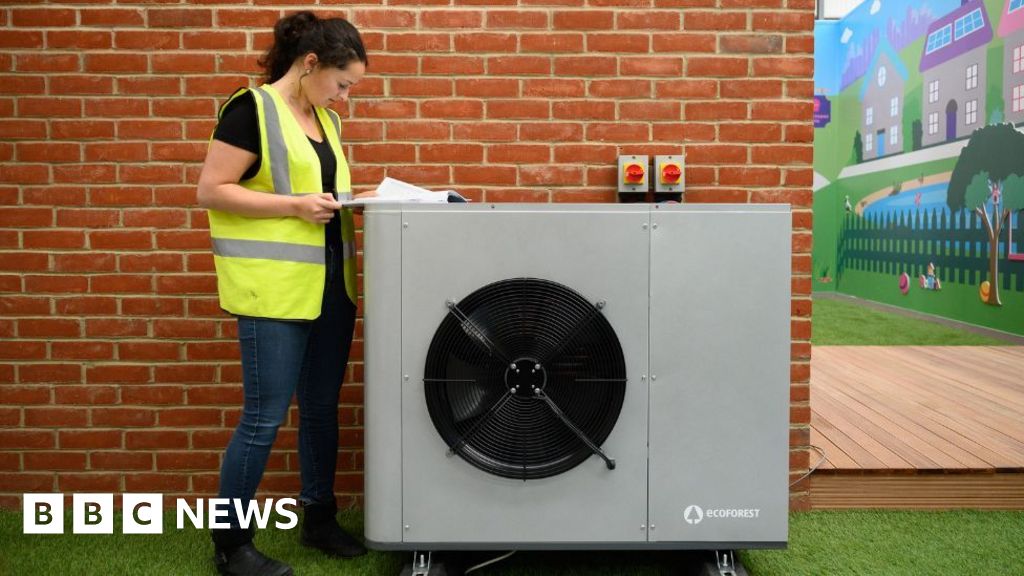
Heating Emissions Decarbonisation by 2045: A Closer Look
The recent announcement from government ministers regarding the decarbonisation of heating by 2045 is certainly ambitious. They assure us that this plan will not only create jobs and reduce energy bills but will also shield consumers from the unpredictable nature of fossil fuel prices. However, upon closer inspection of the data, it appears that much of the promised reduction in heating emissions is projected to occur after 2035. This raises several important questions and concerns that we need to unpack.
Key Points of the Plan
- Decarbonisation Timeline: The target is set for 2045, which seems like a significant leap towards a sustainable future.
- Job Creation: The government claims that this initiative will generate numerous employment opportunities.
- Lower Bills: A shift to greener energy is expected to lead to reduced costs for consumers.
- Mitigating Fossil Fuel Volatility: The plan aims to minimize our dependency on fossil fuels, which are often subject to price fluctuations.
Concerns and Insights
While these points sound promising, the reality is that the bulk of the reductions in heating emissions is projected to be realized after 2035. This delay prompts several critical reflections:
- Feasibility of Implementation: Can we realistically expect to see these measures in place and effective by 2045? The timeline appears optimistic.
- Impact on Consumers: Will consumers truly benefit from lower bills, or are we looking at a gradual transition that might not provide immediate relief?
- Job Market Dynamics: What types of jobs will be created, and are they sustainable in the long run?
- Government Accountability: How will the government ensure that these targets are met, and what mechanisms will be in place to track progress?
As we move forward, it is essential for both the government and the public to engage in open discussions about the practicalities of this plan. Transparency and accountability will be critical in maintaining public trust and ensuring that we are indeed moving toward a greener future.
For those interested in a deeper dive into the details and implications of this announcement, I encourage you to read the original news article here.