



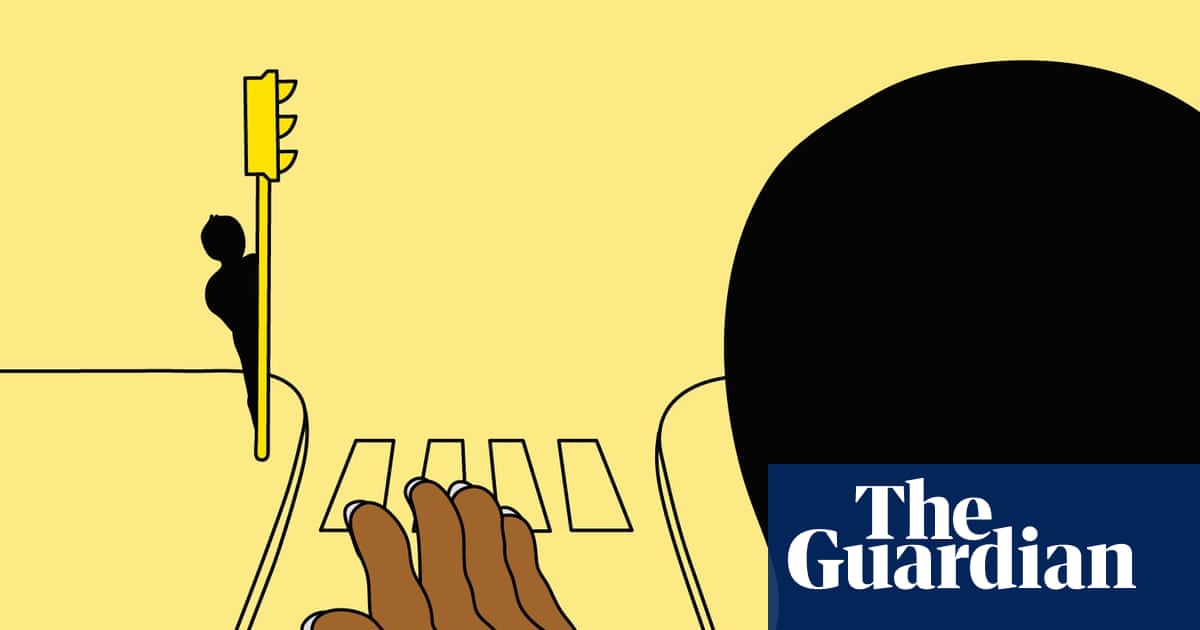
The Prosecution: Chantelle’s Perspective
“Friends and family have noticed that we don’t hold hands and it’s become a running joke.”
Chantelle has been in a relationship with her boyfriend, Hugo, for five years, yet one small act of affection remains elusive: hand-holding. This seemingly trivial gesture has become a significant point of contention between them, raising questions about affection and comfort in relationships.
Key Points:
- Chantelle yearns for more physical affection, particularly hand-holding, which she believes would reassure her about their relationship.
- Hugo, however, prefers to keep his hands free for gesturing and expresses discomfort with public displays of affection (PDA).
- Chantelle’s upbringing was filled with physical affection, while Hugo’s experience in a boarding school has left him less inclined toward such gestures.
- Despite occasional hand-holding, it often seems like a reluctant act from Hugo, which occasionally frustrates Chantelle.
- The rare moments of intimacy, such as during stressful situations or special occasions, highlight their imbalance in affection.
Chantelle’s plea is not just for hand-holding; it’s a deeper need for reassurance and emotional connection. She acknowledges that she doesn’t want to guilt-trip Hugo, yet she feels insecure without more frequent displays of affection.
The Defence: Hugo’s Perspective
“I find holding hands annoying. Besides, I’m quite caring and I tell her I love her on a daily basis.”
Hugo presents a contrasting viewpoint, expressing his discomfort with physical affection in public settings. He argues that while he may not engage in hand-holding, he shows his love in various other ways, such as being chivalrous and responsible in their relationship.
Key Points:
- Hugo feels embarrassed to display affection publicly and finds hand-holding impractical and uncomfortable.
- He believes his actions demonstrate care, such as managing household responsibilities and maintaining a protective stance when they walk together.
- Growing up in a less affectionate environment has shaped his views on physical touch, making it less comfortable for him.
- Hugo acknowledges that his feelings may be unfair to Chantelle, yet he struggles with the idea of affection becoming transactional.
This perspective raises valid concerns about how upbringing influences our capacity for intimacy. Hugo’s reluctance to engage in hand-holding may stem from a deeply ingrained discomfort with physical touch, but is it enough to justify his lack of compromise in the relationship?
The Jury of Readers’ Opinions
The opinions from readers reveal a broader societal perspective on this relationship conundrum:
- Rhiannon, 32: “Chantelle has the right to request affection. Holding hands requires minimal effort, and relationships are built on compromise.”
- Max, 33: “Hugo needs to prioritize Chantelle’s needs over his discomfort.”
- Jack, 20: “Hugo should get out of his comfort zone; it’s a small gesture that means a lot to Chantelle.”
- Leah, 41: “Chantelle should ease the pressure so Hugo can learn to enjoy affection.”
- Annie, 49: “Not everyone enjoys physical touch, and Hugo tries to show affection in other ways.”
Now You Be the Judge
In our online poll, tell us: should Hugo hold Chantelle’s hand?
The poll closes on Wednesday, 25 March at 9 am GMT.
Last Week’s Results
We asked if Amy should stop warming her mug and then pouring the water back into the kettle.
52% said yes – Amy is guilty.
48% said no – Amy is innocent.
For more insights on this relationship dilemma, please read the original news at the source: The Guardian.