



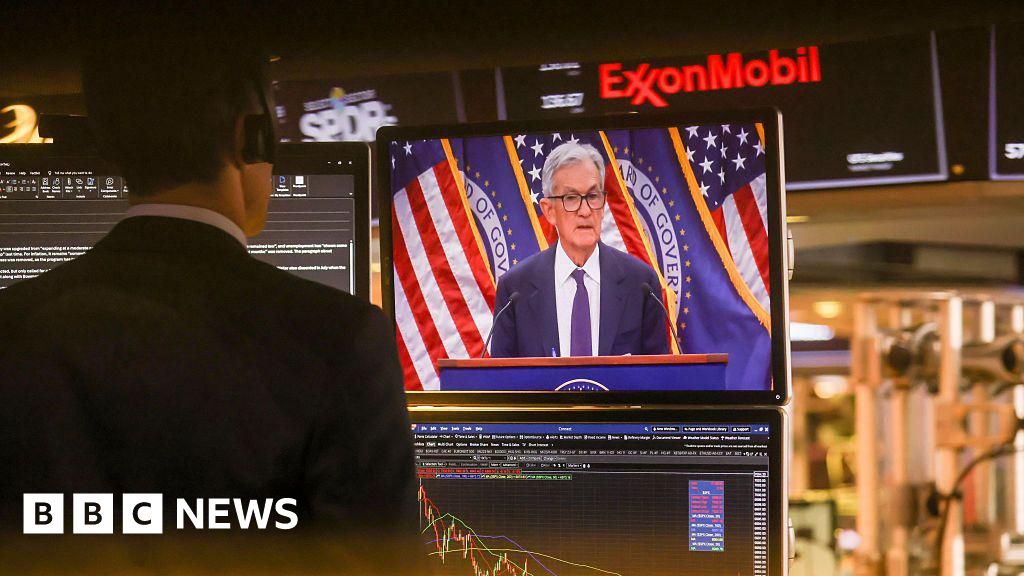
The US Central Bank’s Cautious Approach Amid Pressure
In the current economic climate, the US central bank finds itself in a delicate balancing act, walking a tightrope between political pressure and economic prudence. As calls from the president intensify for the Federal Reserve to cut interest rates, the bank remains steadfast in its cautious stance. This situation raises important questions about the relationship between fiscal policy and political influence.
Understanding the Current Economic Landscape
The Federal Reserve’s hesitance to lower interest rates is rooted in several key factors:
- Inflation Concerns: Despite a slowing economy, inflation remains a critical issue. Lowering interest rates could exacerbate inflationary pressures, which are already a concern for consumers and businesses alike.
- Labor Market Dynamics: The job market continues to show resilience, with unemployment rates holding steady. The Fed must consider the potential impact of rate cuts on job growth.
- Global Economic Factors: International economic conditions, including supply chain disruptions and geopolitical tensions, add another layer of complexity to the Fed’s decision-making process.
The Political Pressure Factor
It is noteworthy that the current administration is advocating for rate cuts, which suggests an attempt to stimulate economic growth ahead of upcoming elections. This political influence can create tension between short-term political needs and long-term economic health. Here are some points to consider:
- Short-Term Gains vs. Long-Term Stability: Rate cuts might provide immediate relief, but they could lead to more significant issues down the line, such as increased inflation.
- Independence of the Federal Reserve: The Fed’s ability to operate independently is crucial for maintaining market confidence. Political pressures could undermine this independence.
- Potential Market Reactions: How the markets respond to the Fed’s decisions can have widespread implications, influencing everything from consumer spending to investment strategies.
Conclusion
The US central bank’s cautious approach to interest rates reflects a complex interplay of economic indicators and political pressures. As we navigate through these challenging times, it will be essential to monitor how the Fed balances these competing interests. The decision-making process at the Fed remains a significant focal point for economists and policymakers alike.
For an in-depth understanding of this ongoing situation, I encourage you to read the original news article at the source.