



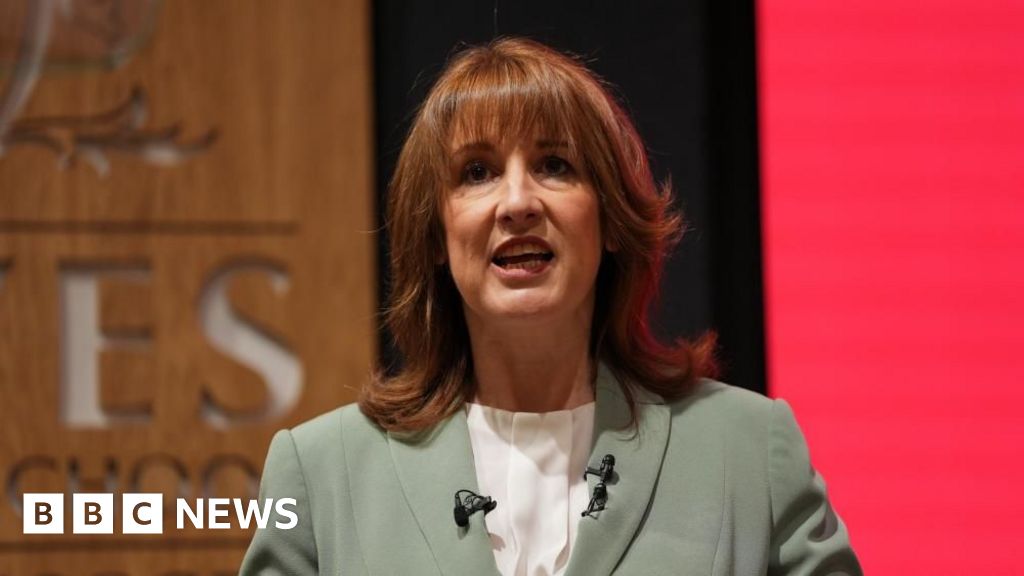
Chancellor’s Economic Growth Plan: A Strategic Move
In a significant address, the Chancellor has unveiled the government’s comprehensive plan aimed at fostering economic growth. This announcement marks a pivotal moment in the UK’s economic strategy, particularly in the context of its relationship with the European Union. My analysis will explore the implications of this plan and the potential benefits it may yield for the nation.
Key Components of the Economic Growth Plan
The Chancellor’s plan is multifaceted, focusing on several core areas that are expected to drive growth:
- Investment in Infrastructure: A commitment to modernizing transport and digital infrastructure, which is crucial for enhancing productivity.
- Support for Innovation: Increased funding for research and development initiatives aimed at fostering technological advancements.
- Training and Skills Development: Emphasis on upskilling the workforce to meet the demands of a changing economy.
- Closer EU Relations: Efforts to strengthen economic ties with the European Union, which could facilitate trade and investment opportunities.
Analysis of the Strategic Direction
The Chancellor’s focus on closer ties with the EU is particularly noteworthy. It suggests a recognition of the importance of collaboration in a post-Brexit landscape. Here are some thoughtful insights on this approach:
- Economic Interdependence: Strengthening links with the EU can potentially open up new markets for UK businesses, essential for growth in a globalized economy.
- Trade and Investment: Closer ties could lead to more favorable trade agreements, which are vital for industries that depend on exporting goods and services.
- Political Stability: A cooperative stance may also contribute to a more stable political environment, reducing uncertainties that can hinder economic progress.
Potential Challenges Ahead
While the Chancellor’s plan is ambitious, it is not without its challenges. As we look forward, several hurdles must be addressed:
- Public Sentiment: The government’s plan must resonate with the public, particularly in regions that feel left behind by previous economic policies.
- Implementation Risks: Turning strategic plans into reality often encounters bureaucratic challenges and funding issues that could delay progress.
- Global Economic Conditions: The UK economy is not insulated from global market fluctuations, and external factors could impact the success of these initiatives.
Conclusion
The Chancellor’s economic growth plan is a bold step forward, with a clear emphasis on innovation, investment, and international collaboration. While there are significant challenges ahead, the strategic focus on strengthening ties with the EU could provide the UK with a pathway to enhanced economic resilience and growth. It will be essential for both the government and the public to remain engaged and responsive to the evolving economic landscape.
For those interested in the original details of this announcement, I encourage you to read the original news at the source.