



EU and UK Relations: The Urgent Need for a Reset
The European Union is currently facing a critical moment in its negotiations with the United Kingdom. With the impending July summit, it appears that the discussions regarding the “reset” of relations between these two entities are at risk of faltering. This situation calls for an in-depth analysis of the challenges ahead and the potential paths forward.
The Call for Change
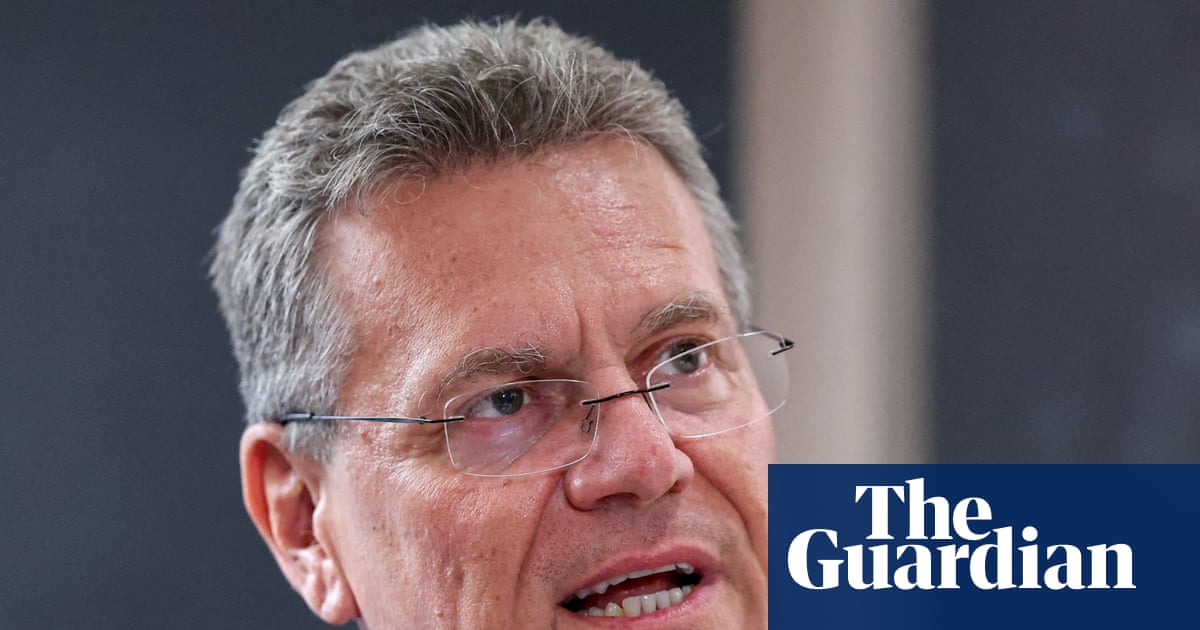
During a recent public meeting of the EU-UK parliamentary partnership assembly in Brussels, European Commission Vice-President Maroš Šefčovič emphasized the necessity for both sides to “change gears” in their negotiations. His comments highlight a sense of urgency that has emerged as a result of the ongoing deadlock over critical issues, notably:
- Tuition Fees for EU Citizens: A significant sticking point in the proposed youth mobility scheme, with EU students currently facing higher international fees.
- Sanitary and Phytosanitary (SPS) Agreement: Complicated negotiations due to the extensive legislative changes required in the UK Parliament.
Šefčovič acknowledged the ambitious nature of reaching an agreement before the summit, but he expressed optimism about navigating through these complexities. His call for compromise on tuition fees is particularly noteworthy, as it marks a shift in the dialogue since the formal reset agenda was established last May.
Political Stakes and Economic Implications
Prime Minister Keir Starmer has made the negotiation of a new deal with Brussels a cornerstone of his economic and foreign policy initiatives. The potential agreements to be announced at the summer summit are seen as pivotal for the UK’s future relationship with the EU. However, the deadlock over student fees risks jeopardizing not only this summit but also broader efforts to realign with the EU, a theme that Chancellor Rachel Reeves plans to emphasize in her upcoming speech.
Interestingly, it seems the UK government is exploring ways to streamline its regulatory framework by aligning more closely with EU standards. The Cabinet Office minister, Nick Thomas-Symonds, has initiated a scoping exercise to identify sectors where compliance with EU regulations could facilitate smoother trade and possibly eliminate some border checks on goods.
- Potential Benefits: Most sectors, excluding financial services and certain high-tech industries, could gain from this alignment.
Challenges Ahead
Despite the push for a reset, significant hurdles remain. The issue of tuition fees not only affects the youth mobility scheme but also poses a broader question about the future of educational exchanges between the UK and the EU. Šefčovič pointed out that the number of EU students in the UK has drastically reduced, dropping from 27% of the student population to just 5% for the upcoming academic year. This decline is alarming, especially in a world that increasingly values cross-cultural education and collaboration.
The slow pace of discussions has been a topic of frustration. As Chris Bryant, the UK’s trade minister, noted, the cumbersome nature of both the UK and EU systems contributes to the sluggish progress that fails to meet the urgency expressed by constituents on both sides.
The Path Forward
For these negotiations to succeed, a balanced approach is essential. There is a pressing need for both sides to foster goodwill and flexibility. The comments from Labour MP Stella Creasy resonate, highlighting the importance of unity within the UK’s political leadership. The ongoing division between those advocating for strict red lines and those seeking closer ties with the EU could ultimately hinder progress.
In conclusion, the path to a successful reset of EU-UK relations is fraught with challenges, but the stakes are high. Both sides must prioritize collaboration and compromise to avoid derailing the negotiations entirely. With the July summit on the horizon, time is of the essence.
For further details and insights, I encourage you to read the original news article at the source: The Guardian.