



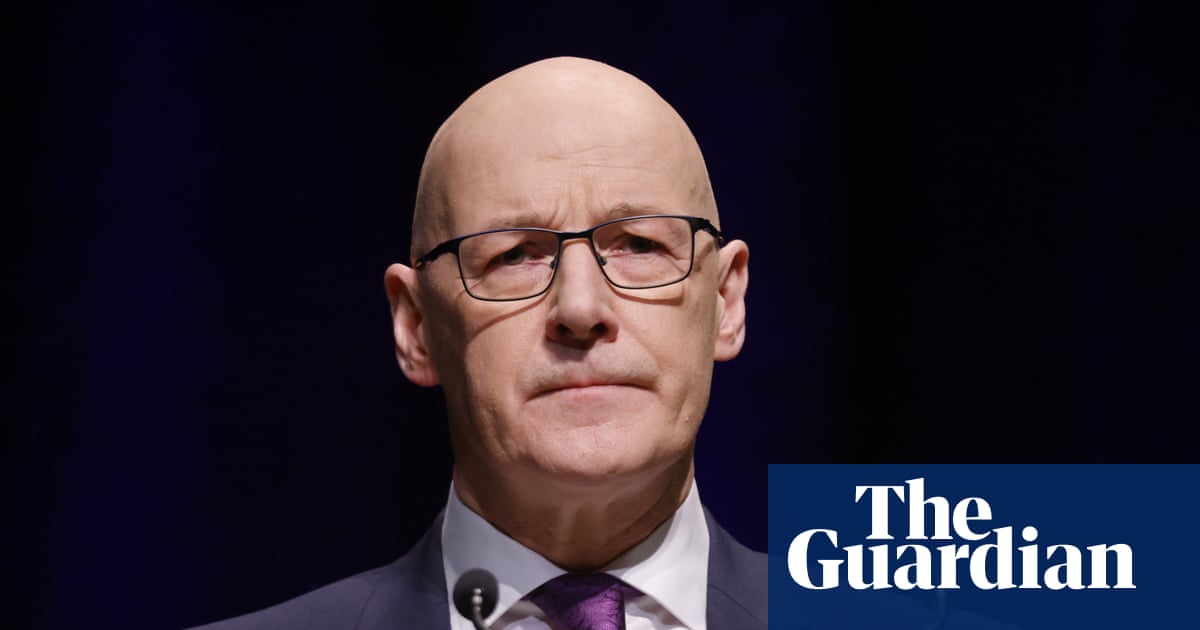
Seismic Changes Ahead for the UK
As we stand on the brink of potentially monumental political shifts in the UK, John Swinney, the First Minister of Scotland, has made a striking declaration. He describes the upcoming elections in Scotland, Wales, and Northern Ireland as an “absolutely seismic moment.” This commentary will delve into the implications of his statements, the current political climate, and what it could mean for the future of the union.
The Rise of Nationalism
Swinney’s assertion emphasizes the growing strength of nationalist sentiments across the UK. With elections on the horizon, the possibility of electing first ministers who are committed to the break-up of the union could reshape the political landscape dramatically. Key points to consider include:
- Nationalist Momentum: Support for Scottish independence has consistently hovered around 50%. This indicates a significant shift in public sentiment that cannot be ignored.
- Poll Performance: The Scottish National Party (SNP) currently leads the polls, significantly ahead of both Reform UK and Scottish Labour, indicating a lack of confidence in traditional parties.
- Wider Impact: Nationalist parties are also expected to gain traction in Wales and Northern Ireland, potentially creating a united front for independence across the UK.
Independence at the Forefront
Swinney’s commitment to placing independence at the heart of the SNP’s campaign strategy reveals a clear intent to capitalize on the current political climate. He stated, “We are closer to becoming independent than we have ever been.” This sentiment is underscored by:
- Community Support: The recent tragedy in Glasgow has showcased the strength of community bonds, which Swinney aims to leverage for a united push towards independence.
- Financial Commitments: The announcement of a £10 million recovery fund for Glasgow demonstrates a proactive approach to governance that resonates with voters.
- Policy Initiatives: Promises of subsidized childcare and a First Homes Fund illustrate a focus on practical support for families, further solidifying the SNP’s appeal to the electorate.
Challenging Westminster
In a bold move, Swinney has also criticized the actions of the US and Israel regarding Iran, framing Scotland’s position as one of moral responsibility. His remarks highlight several key themes:
- Global Responsibility: Swinney’s call for a cessation of hostilities reflects a desire for Scotland to establish its voice on international matters, countering criticisms from Westminster.
- Domestic Priorities: By linking international issues to local governance, he aims to present the SNP as a party that is both globally aware and locally focused.
Conclusion
The upcoming elections represent a pivotal moment for the UK’s political future. With the SNP poised to capitalize on rising nationalist sentiments and a series of progressive policy proposals, the potential for significant change looms large. As Swinney suggests, we may be witnessing the beginning of a new chapter in the UK, one that could redefine the very nature of the union itself.
For those interested in a deeper understanding of this developing story, I encourage you to read the original news article here.