



Reassessing the Future of Social Care in Britain
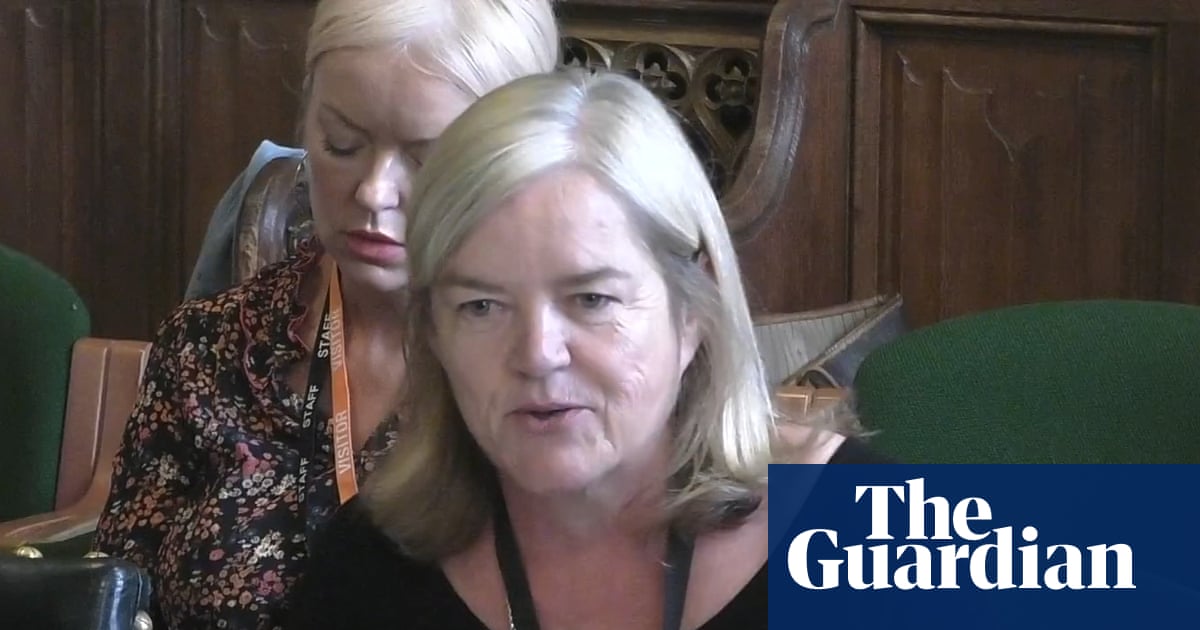
Louise Casey’s recent address sheds light on an undeniable reality that has been echoed by local authorities for years: the national care service is on shaky ground and will ultimately falter unless the underlying local systems are fortified. This stark observation is a wake-up call for those in power.
The Call for Action
Key Cities, a collaborative network of UK local authorities, has been advocating for a critical funding reset for the social care system. While the reforms proposed by the Casey Commission are a positive step, there remains an essential component that is still lacking: a clear transition plan that will empower local councils to implement these changes effectively.
To truly revolutionize the system, the government must include a significant expansion of joint commissioning in its NHS 10-year plan. This collaborative approach is vital for ending the costly tug-of-war between funders and service providers, paving the way for a seamless transition from local to national care services. The need for this transformation cannot be overstated.
Lessons Learned from the Frontlines
Polly Toynbee rightly points out the immense strain councils are under, but it’s time we focus on the valuable insights we’ve gained from working on the ground:
- Prevention is Key: Access to urgent care is important, but preventive measures are equally crucial in reducing crisis demands.
- Empower Local Councils: With adequate powers, councils can establish the necessary care facilities and innovate with pilot programs.
- National Workforce Strategy: A cohesive strategy that addresses pay, training, and career pathways in social care is essential for retention and improving job prospects.
Addressing the financial deficits faced by councils might seem daunting, but it presents a once-in-a-generation opportunity to enhance health outcomes and overall prosperity. Getting the transition right can free up budgets for essential housing and regeneration projects, which are vital for promoting better health.
Understanding the Real Issues
It’s essential to recognize that the problem is not a lack of funds; rather, it stems from mismanagement and inefficiencies within the system:
- Local Responsibility: Social care should be managed by small, community-based organizations that are directly responsive to local needs.
- Poor Quality Care: Many privatized care services are expensive and subpar, draining local government budgets while padding corporate profits.
- Misallocation of Resources: Despite ample funding, the money often flows out of the system instead of being reinvested where it’s needed most.
The proposed closure of the Care Quality Commission (CQC) could be a cost-saving measure worth considering. The CQC, which has increased bureaucratic burdens without effectively uncovering care deficiencies, adds to the financial strain on smaller providers.
A Personal Perspective on Care Costs
Many individuals, like a reader who shared their experience, are burdened by the escalating costs of care. As they watch their savings dwindle due to exorbitant fees, the anxiety over finances overshadows what should be a peaceful retirement. This highlights the pressing need for systemic change in how we fund and manage social care.
Time for a New Approach
The question of funding social care has been revisited time and again, yet solutions remain elusive. A reader suggests merging income tax and national insurance as a progressive solution that reflects the current realities of life expectancy and financial capability. This idea warrants serious consideration as we seek sustainable funding mechanisms.
A Moment of Reckoning
Casey asserts that social care has not yet experienced its “Beveridge moment.” The truth is, we have seen numerous moments of reckoning without decisive government action. We are left with a system that continues to patch itself up, leaving vulnerable populations and dedicated care workers in a precarious situation.
As we reflect on these discussions, it’s clear that a comprehensive and bold approach is needed to reshape the future of social care in Britain. Only then can we ensure that all individuals receive the quality care they deserve.
For those interested in further details, I encourage you to read the original article here.