



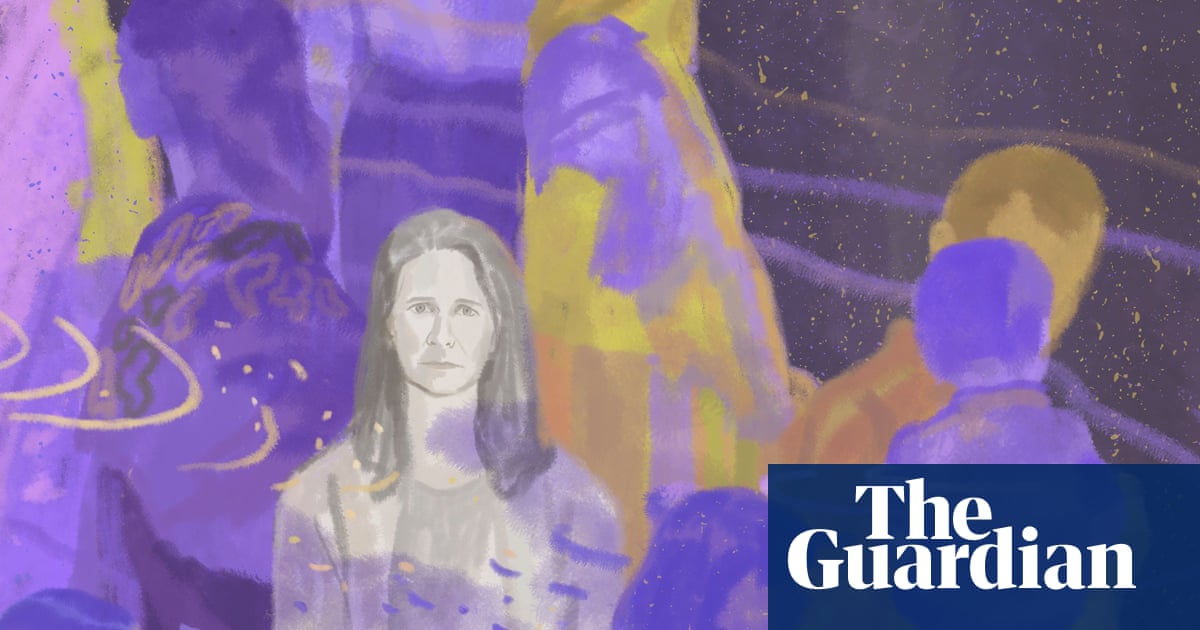
The Journey Through Hearing Loss and ASL
Reflecting on my experiences in an American Sign Language (ASL) class, I found myself grappling with the nuances of identity and communication. A simple question about how to express my hearing impairment revealed the complexities of language and self-perception.
A Shift in Perspective
When I sought guidance on signing “I’m hearing impaired,” my teacher, Courtney Rodriguez, promptly corrected my terminology. Instead of labeling myself as “impaired,” she introduced me to the term “hard of hearing.” This distinction is crucial:
- Impaired: Carries a judgment about my abilities.
- Hard of Hearing: A factual statement about my condition.
This change shifted my understanding of my identity from one of shame to one of empowerment. It illuminated the issue not as my deficiency, but as society’s failure to provide accessibility.
The Challenges of Sudden Hearing Loss
My journey took a drastic turn during a bout of Covid in July 2022. Overnight, I transitioned from a hearing individual to one of the 13% of adults in the U.S. experiencing significant hearing loss. The silence that enveloped me was profound and isolating:
- Initial confusion in the bathroom as I realized I could not hear water running.
- Panic set in as I struggled to hear the normal sounds of life around me.
- Anxiety grew as I faced the reality of my new existence.
This experience was not just a personal loss; it represented a systemic issue within our healthcare system, where coverage for hearing aids and necessary surgeries often falls short.
The Healthcare Dilemma
My battle with UnitedHealthcare illustrated the harsh realities faced by many:
- A denial of coverage for a $7,000 pair of hearing aids led to a desperate purchase of a cheaper, less effective alternative.
- My urgent need for surgery to alleviate conductive hearing loss was deemed “not medically necessary,” despite the overwhelming evidence to the contrary.
Such experiences foster not only frustration but also a sense of isolation, especially for those who, like me, did not grow up within a deaf community.
Hope and Connection
After a long struggle, switching to a new insurance provider opened doors to much-needed support. With coverage for better hearing aids and surgery, I began to re-engage with the world:
- Enjoying social gatherings.
- Building new relationships, including a romantic one with someone who understands my hearing challenges.
Through ASL classes, I have discovered not just a means of communication, but a vibrant community. The language’s rich structure reflects deeper societal values, such as the absence of gendered pronouns.
Bridging the Gap
Integration between the deaf and hearing communities is not merely a dream; it is achievable. Learning ASL can foster understanding and connection:
- Imagine a world where children learn ASL as a second language.
- Consider the implications of universal insurance coverage for hearing aids.
- Advocate for open captioning in all public spaces.
Recently, a simple interaction at my local grocery store reinforced this vision. Communicating with a deaf fishmonger using my newly acquired ASL skills was exhilarating. It was a reminder that communication barriers can be dismantled with effort and understanding.
Conclusion
As I navigate this journey, I recognize that deafness is not an insurmountable barrier but a challenge we can collectively address. We need to choose to bridge the divide between communities, fostering an inclusive society for all.
If you’re interested in exploring more about this journey, I encourage you to read the original article here.