



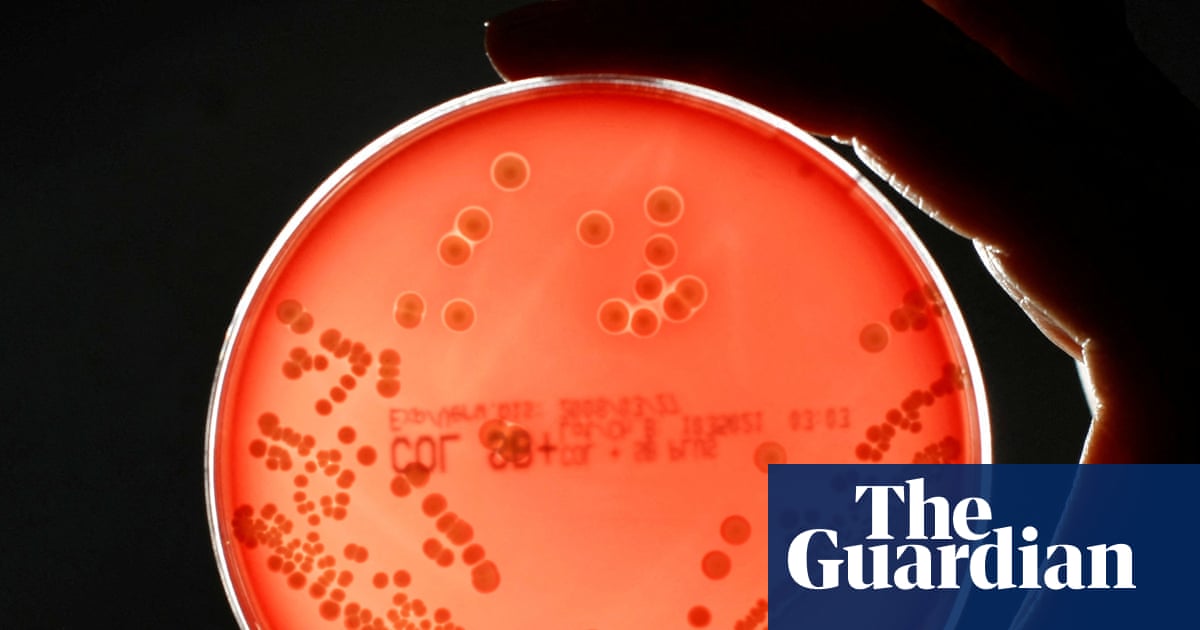
The Alarming Decline in Antimicrobial Development
The recent report by the Access to Medicine Foundation (AMF) paints a troubling picture of the fight against superbugs. The pipeline for new drugs aimed at combating drug-resistant infections has shrunk significantly, with a 35% decline in the last five years. This trend is not just concerning but poses a direct threat to global health, with predictions suggesting that the number of annual deaths linked to these infections could double to a staggering 8 million by 2050.
Current Situation of Antimicrobial Research
As per the AMF’s findings, the number of antimicrobial projects from major pharmaceutical companies has decreased from 92 to just 60 medicines in development. This drop raises several critical issues:
- Vulnerability of Children: Only five of the medicines in development are aimed at children under five, a demographic particularly susceptible to infections.
- Investment Hesitation: Jayasree K Iyer, the foundation’s CEO, emphasizes the need for renewed industry investment, stating that the current momentum has stalled.
- Global Death Toll: Over 1 million deaths occur annually due to drug-resistant infections, contributing to a total of 4 million deaths worldwide. Both figures are expected to double within the next three decades.
The Moral Imperative for Pharmaceutical Companies
Notable figures, such as Ara Darzi, a prominent cancer surgeon, have pointed out the ethical responsibility of pharmaceutical companies in addressing this crisis. Darzi highlighted that while advancements in cancer therapies are commendable, patients are still succumbing to infections that were previously manageable. He aptly remarked, “You don’t win a game if you have three good strikers and your defense is weak.” This analogy underscores the critical nature of a robust antimicrobial defense in healthcare.
Disparities in Pharmaceutical Engagement
Interestingly, only a handful of major pharmaceutical companies are actively pursuing antimicrobial research. GSK leads with 30 projects, while Japan’s Shionogi and Otsuka are also contributing. However, Pfizer, which was previously at the forefront, has notably reduced its involvement.
In contrast, AstraZeneca has not prioritized antibiotics, which raises concerns about the overall commitment of large pharmaceutical firms to this pressing issue. The report highlights the efforts of 25 companies, revealing a significant gap in contributions from larger players.
Potential Solutions and Future Outlook
Despite the gloomy statistics, Iyer remains hopeful. She points to three recently approved antibiotics and several promising candidates in late-stage development as evidence that the tide can turn against superbugs. Moreover, the introduction of innovative strategies, such as transferable exclusivity vouchers and subscription models for antibiotic sales, could incentivize pharmaceutical companies to invest more in this critical area.
The Bottom Line
As we navigate through this public health crisis, it is evident that immediate action is necessary. The rise of drug-resistant infections is not merely a statistic; it is a real and escalating threat that affects the most vulnerable populations, particularly in low- and middle-income countries. As Iyer succinctly put it, “There is no time to lose.”
It is imperative that we not only support antimicrobial research but also implement stringent measures against the overuse of antibiotics and ensure responsible management of antibiotic waste. The future of global health hangs in the balance, and collective action is essential.
For a deeper understanding of this pressing issue, I encourage you to read the original news article here.