



Analysis of Current Oil Market Crisis
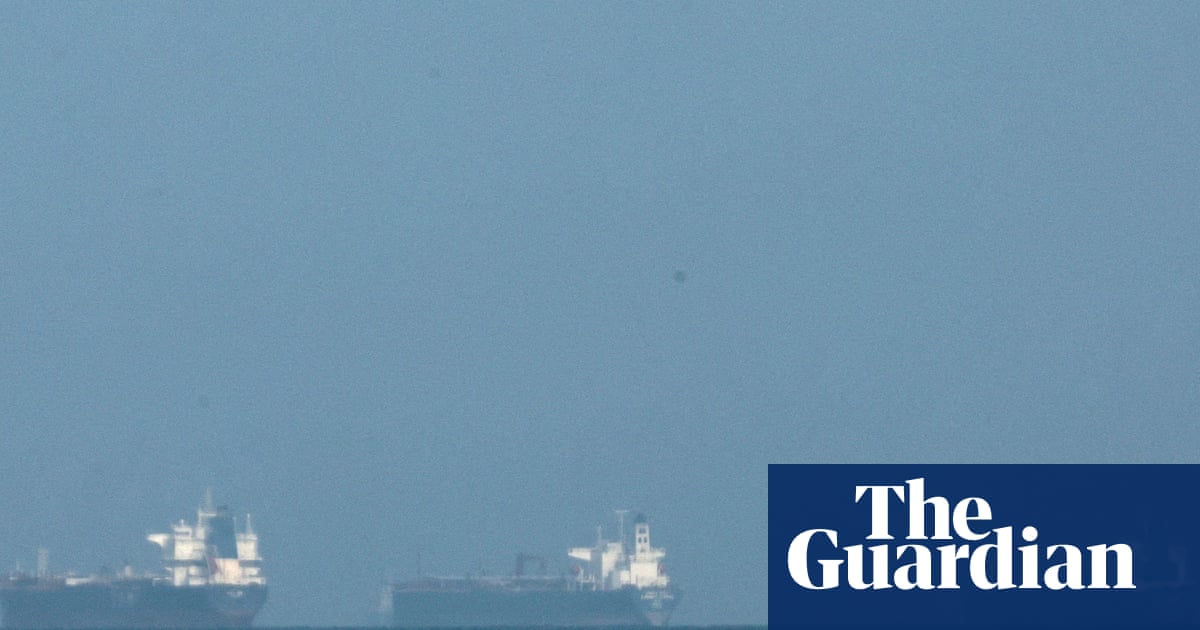
As the geopolitical landscape continues to shift with the ongoing US-Israeli conflict involving Iran, the implications for the global oil market are becoming increasingly apparent. Saudi Arabia’s state oil company, Aramco, has raised alarms about potential “catastrophic consequences” stemming from disruptions in the Strait of Hormuz, a vital shipping route for oil.
Current Situation Overview
- Aramco expects to maintain approximately 70% of its usual crude output despite the disruptions.
- Daily oil shipments have been significantly impacted, with an estimated 20 million barrels of oil disappearing from the market due to halted shipping.
- Recent US military actions against Iran have exacerbated tensions, leading to fears of further escalation.
Despite the dire warnings from Aramco, the oil price fell recently, suggesting a complex interplay of market forces and investor sentiment. Donald Trump’s comments regarding a potential resolution to the conflict contributed to this unexpected downturn.
Market Reactions and Trends
The price of Brent crude saw a notable decrease, dropping by 14% on a recent Tuesday, settling around $85 a barrel. This price is still significantly higher than pre-conflict levels, yet it reflects a market reacting to mixed signals:
- Before the conflict escalated, Brent crude was around $72 per barrel.
- Prices peaked at $119 earlier this week, the highest since the onset of the Ukraine crisis.
- Major stock indices in Europe and the US experienced partial relief rallies, with notable gains in the FTSE 100, DAX, and CAC.
Aramco’s Strategic Response
Amin Nasser, Aramco’s CEO, emphasized that this is the largest crisis the region’s oil and gas sector has encountered. The company’s strategy includes:
- Utilizing the east-west pipeline to transport oil to the Red Sea port of Yanbu.
- Aiming to maximize shipments through this pipeline to reach full capacity of 7 million barrels a day.
- Leveraging stored crude outside the Gulf region to meet current demand.
However, Nasser cautioned that reliance on these reserves is not sustainable for a prolonged period, emphasizing the urgent need for stability in the region.
Global Implications and Future Considerations
The G7 has called for the International Energy Agency (IEA) to prepare for possible emergency oil stock releases to stabilize the market. This potential intervention underscores the seriousness of the situation, though historically, such measures have been rare.
The IEA’s member countries collectively hold over 1.2 billion barrels of public reserves, supplemented by substantial stocks in China. The prospect of releasing these reserves could provide a necessary buffer against further volatility.
In summary, the oil market is at a critical juncture, influenced by geopolitical tensions and market dynamics. As we move forward, the global community must remain vigilant and prepared for the possible repercussions of sustained disruptions in oil supply.
For further insights and detailed information, I encourage readers to check out the original news source here.