



Concerns Over Vaccine Safety Review Led by MIT Professor
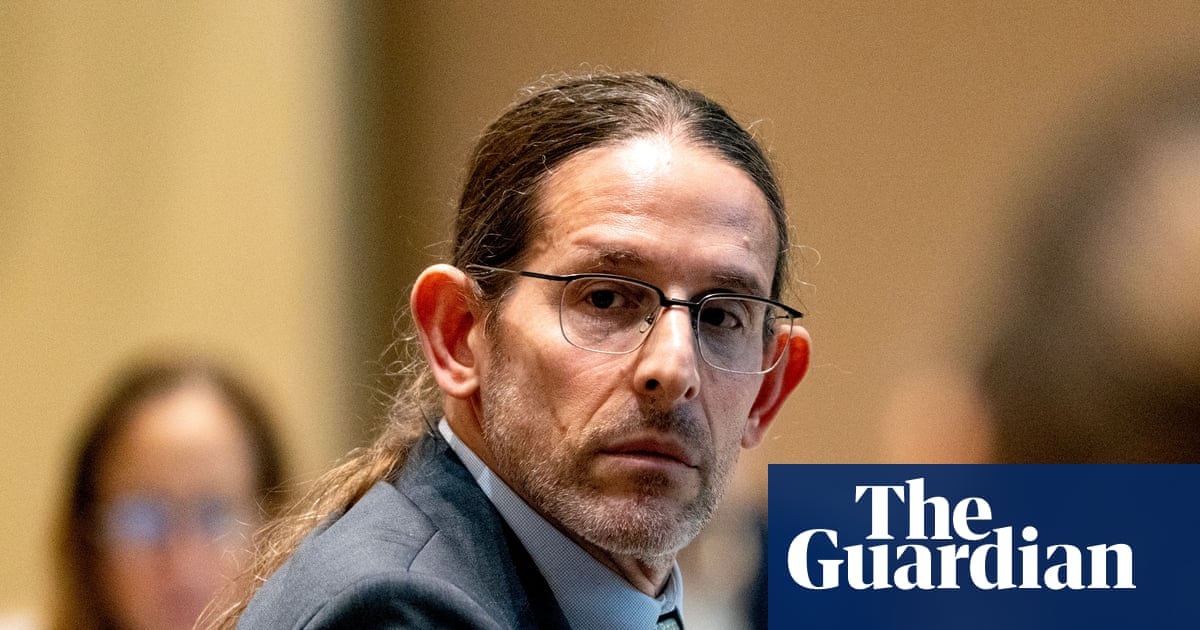
In the latest developments surrounding Covid-19 vaccine safety, we find ourselves scrutinizing the appointment of Retsef Levi, an operations management professor from MIT, by Robert F. Kennedy Jr. to evaluate the safety of these vaccines. This decision has raised eyebrows and ignited debates within the scientific community, revealing a complex web of opinions and concerns.
Questionable Credentials and Controversial Claims
Levi, who is a member of the U.S. health department’s vaccine advisory committee (ACIP), has made bold claims about the Covid-19 vaccines, labeling them as the “most failing medical product in the history of medical products.” This assertion stands in stark contrast to a wealth of research demonstrating their safety and efficacy. A significant study published in The Lancet estimated that these vaccines saved nearly 20 million lives in their first year alone.
ACIP’s Shifting Dynamics
The ACIP, once regarded as the gold standard in vaccine decision-making, is now under scrutiny. Following Kennedy’s decision to dismiss 17 esteemed members, including immunologists and epidemiologists, and replace them with individuals who lack substantial expertise, concerns are mounting about the committee’s direction and integrity.
Criticism from the Scientific Community
A review by The Guardian has revealed that Levi’s research has faced significant criticism from over a dozen experts. Their main concerns include:
- Misleading research papers that fail to meet basic scientific standards.
- An apparent bias and a predetermined agenda rather than genuine scientific inquiry.
- Insufficient understanding of data collection methodologies, leading to inappropriate interpretations.
Dr. Sharon Alroy-Preis, who previously led Israel’s public health services, recounted a troubling encounter with Levi regarding his paper that suggested a correlation between vaccination rates and emergency calls involving cardiac arrest. She noted his lack of familiarity with data collection and his apparent disregard for professional inquiry.
The Impact of Levi’s Research
Despite the criticisms, Levi’s work has gained traction, with one of his studies becoming widely cited, even though it was criticized for methodological flaws. This raises an alarming question about how certain studies can propagate misinformation and contribute to vaccine hesitancy.
Potential Consequences of ACIP’s New Direction
As ACIP prepares for its upcoming meeting, there are fears that Levi’s influence could lead to the introduction of restrictive vaccine recommendations, potentially based on unverified data. Dr. Jake Scott, an infectious disease specialist, expressed his concerns about whether the review process would prioritize scientific integrity or yield to predetermined conclusions.
Conclusion: A Call for Transparency in Vaccine Review
The ongoing situation highlights the critical need for transparency and rigor in public health discussions, particularly regarding vaccines that have proven to save countless lives. The stakes are high, and we must advocate for data-driven decisions that prioritize public health over political agendas.
For more in-depth information, I encourage readers to check out the original article at The Guardian.