



The Ocean Experiment: Bold Steps Towards Climate Solutions
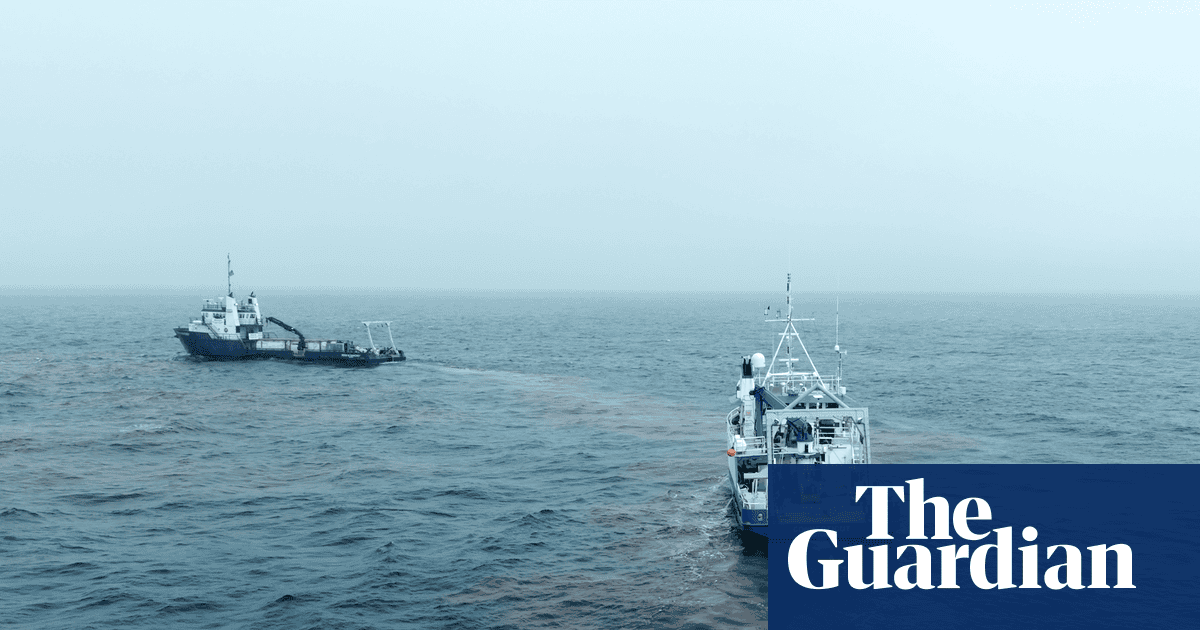
In August, a striking scene unfolded in the Gulf of Maine as scientists conducted a controversial experiment. For four days, the ocean bore a maroon stain, the result of 65,000 litres of an alkaline chemical, sodium hydroxide, injected into the water. This peculiar event, reminiscent of a toxic red tide, was not an environmental disaster but rather a cutting-edge scientific endeavor aimed at addressing two critical issues: global warming and ocean acidification.
Understanding Ocean Alkalinity Enhancement (OAE)
Ocean Alkalinity Enhancement (OAE) is a proposed method that mimics natural geological processes to increase the ocean’s capacity to absorb carbon dioxide (CO2). As noted by Adam Subhas, the lead oceanographer involved, the ocean already contains vast amounts of carbon in the form of dissolved bicarbonate. The theory behind OAE is that by enhancing this natural alkalinity, we can encourage the ocean to absorb even more carbon, potentially staving off catastrophic climate change.
The Experiment: Insights and Outcomes
- The experiment, licensed by the US Environmental Protection Agency, took place 50 miles off Massachusetts, an area rich in marine life.
- Utilizing advanced technology like autonomous vehicles and shipboard sensors, researchers tracked the dispersal of the alkaline chemical.
- Results indicated an increase in local pH from 7.95 to 8.3, effectively returning alkalinity to preindustrial levels.
- Measurements suggested that about 10 tonnes of CO2 entered the ocean during the study.
- No significant harm was observed in local marine species, although the impact on adult fish and marine mammals was not assessed.
While the initial results are encouraging, they raise questions about the safety and scale of OAE. Critics, like Benjamin Day from Friends of the Earth US, express concern over the potential “catastrophic unforeseen consequences” of manipulating such a vast natural system. This skepticism is crucial as it highlights the need for cautious advancement in environmental interventions.
A Historical Perspective on Chemical Interventions
Interestingly, the concept of using chemicals to mitigate environmental problems is not new. Historically, liming has been used by farmers for centuries to combat soil acidity and, more recently, to revive fish populations in Scandinavian rivers affected by acid rain. This historical context suggests that while OAE may sound radical, humanity has a track record of intervening in natural processes with varying degrees of success.
The Future of OAE: Potential and Challenges
Despite its promise, OAE faces significant challenges regarding its scalability and ecological safety. The research team’s cautious approach, starting small to demonstrate best practices, reflects a growing awareness of these concerns. As Sarah Schumann, a commercial fisher involved in the study, points out, local fishers are wary of commercial interests potentially exploiting OAE for profit.
Moreover, the financial viability of scaling OAE is still uncertain. While the US National Oceanic and Atmospheric Administration suggests it could remove between 1 billion and 15 billion tonnes of CO2 annually, the costs associated with such large-scale applications are significant. Renforth emphasizes that we must not dismiss any potential solutions until we fully understand their implications and effectiveness.
Conclusion: A Call for Cautious Optimism
As we explore innovative solutions to combat climate change, OAE represents both a beacon of hope and a source of contention. The balance between environmental stewardship and technological intervention will be crucial as we navigate these uncharted waters. The ongoing dialogue among scientists, environmentalists, and local stakeholders will shape the future of OAE and its role in addressing climate challenges.
For those interested in the original details of this groundbreaking experiment, I encourage you to read the full article here.