



Political Tensions Rise Over Iran Strikes: A Closer Look
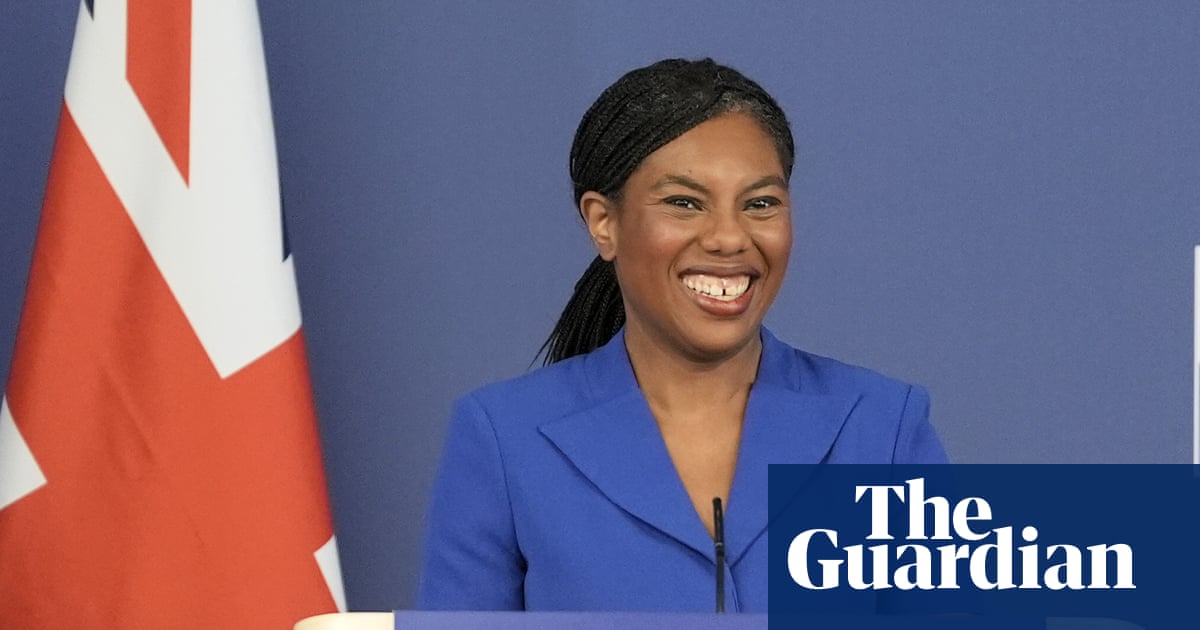
The ongoing geopolitical landscape has undeniably shifted, especially following the recent strikes on Iran. Kemi Badenoch, the Conservative party leader, has ignited controversy by accusing Keir Starmer of being “too scared” to take a stance amid this crisis. This clash reveals much about the current political climate and the intricacies of leadership during tumultuous times.
Analysis of Badenoch’s Critique
Badenoch’s speech at the Conservative spring conference in Harrogate was a calculated move aimed at garnering support while painting Starmer as indecisive. Her remarks can be broken down into a few key points:
- Leadership Under Scrutiny: Badenoch emphasizes the need for “strong and decisive leadership” during critical moments, suggesting that Starmer’s hesitance reflects poorly on his capabilities.
- Electoral Considerations: The mention of the recent byelection results indicates that she believes Labour is feeling pressure from other parties, like the Greens, which are gaining traction on specific issues.
- International Stance: Badenoch criticizes Starmer for what she perceives as a lack of moral clarity compared to other countries like Canada and Australia, implying that true leadership involves taking a definitive stance.
Responses from Labour and Defence Officials
In response, Defence Minister Al Carns has called Badenoch’s approach irresponsible, arguing that serious security issues should transcend political maneuvering. His key points include:
- Irresponsibility in Politics: Carns stresses that exploiting serious security situations for political gain is not only reckless but undermines the efforts of those in the armed forces.
- Commitment of British Troops: He highlights the dedication and skill of British troops, urging that political discourse should reflect respect for their duties.
The Broader Implications of Foreign Policy Decisions
The airstrikes on Iran, which resulted in the death of key figures including Ayatollah Ali Khamenei, have escalated tensions significantly. The retaliatory actions from Iran against US allies, such as Qatar and the UAE, further complicate an already volatile situation. The Iranian President’s subsequent apology to Gulf neighbors indicates a fragile diplomatic environment that requires careful navigation.
Badenoch’s Domestic Policies and Their Impact
Aside from her criticism of Starmer, Badenoch also announced plans to reform the Mental Health Act and tackle antisocial behavior, aiming to present her party as proactive on domestic issues. These proposals include:
- Reforming Mental Health Legislation: Badenoch’s commitment to detaining individuals deemed a risk to public safety indicates a tough stance on crime, reminiscent of high-profile cases like that of Valdo Calocane.
- Immediate Justice for Low-Level Offences: The introduction of community sentences for minor crimes aims to address antisocial behavior directly, allowing offenders to rectify their wrongdoings immediately.
As we analyze these developments, it becomes clear that both foreign and domestic policies are intertwined in the current political discourse. Leaders must navigate these complexities with care, balancing the demands of their party, security concerns, and public opinion.
For further details and to read the original news article, click here.