



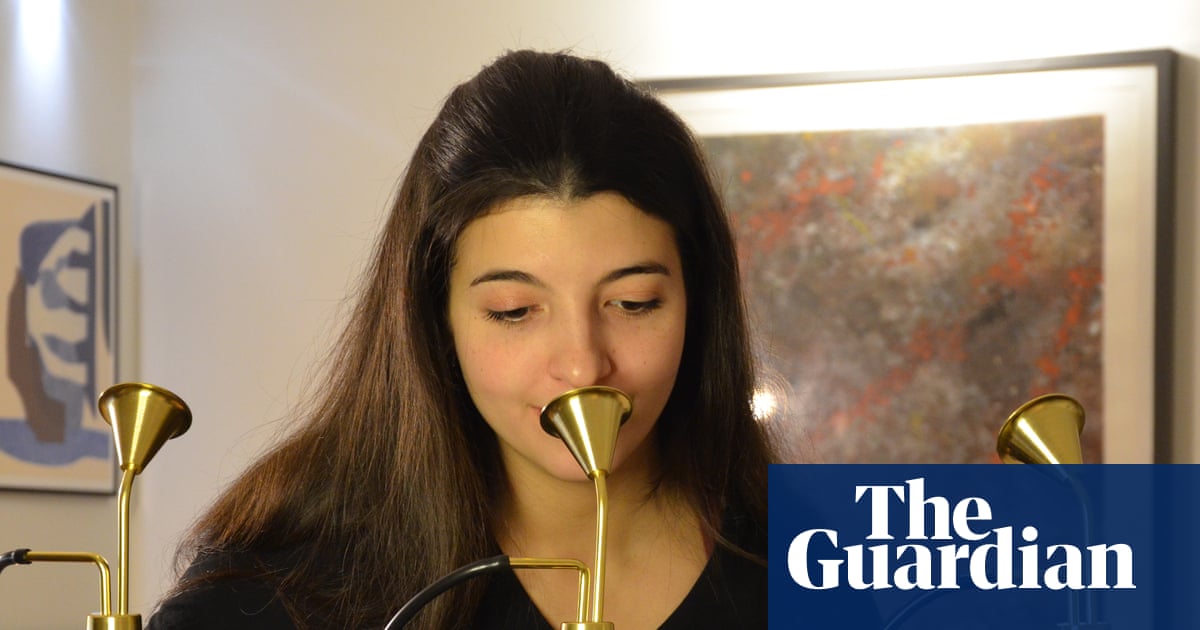
Reviving the Past: The Scent of History
In a fascinating turn of events, museums are now allowing visitors to engage with history through an unconventional but captivating sense: smell. Imagine stepping into an exhibition and not just seeing artifacts but also inhaling the very aromas that surrounded ancient civilizations. From the interior of Queen Elizabeth II’s car to the heady scents of ancient Egyptian mummification balms, the initiative to incorporate smell into museum experiences is both groundbreaking and enlightening.
The Archaeology of the Senses
The idea of reconstructing sensory experiences from the past has gained traction over the last decade. Experts like Dr. Barbara Huber, an archaeochemist at the Max Planck Institute of Geoanthropology, highlight the significance of this sensory exploration. Traditionally, we focused on visual representations of history, but now, researchers are delving into how past environments felt, sounded, and yes, smelled.
- Dr. Huber describes the scent project as a “time machine for the nose,” aimed at evoking the atmosphere of ancient times.
- The project, titled Scent of the Afterlife, includes cards infused with perfumes based on residues from ancient Egyptian canopic jars.
- These scents include complex ingredients like beeswax, resins, and coumarin, which were identified through meticulous chemical analyses.
This approach transcends mere curiosity; it serves as a bridge to connect us with the emotional and cultural experiences of our ancestors. The aromas crafted from ancient recipes not only provide a sensory experience but also enrich our understanding of historical trade connections and cultural practices.
Transforming Museum Experiences
While the concept of olfactory engagement in museums isn’t entirely new—exhibitions like the Jorvik Viking Centre have dabbled in creating smellscapes—today’s methodologies are more research-based. The previous attempts were often theatrical or sensational, while current projects are grounded in scientific analysis and interdisciplinary collaboration.
- The Scent of the Afterlife perfume has been utilized in educational settings, helping students and visitors alike grasp the historical significance of aromas.
- Future exhibitions, such as one in Canada, will continue to explore these scents, integrating them into the storytelling of history.
Dr. Huber’s assertion that “smell can make abstract history tangible” resonates deeply. It emphasizes the need to understand our past as rich with sensory experiences, rather than as sterile, lifeless artifacts.
Future Projects and Innovations
Looking ahead, the exploration of scents is expanding beyond ancient Egypt. Dr. Huber plans to reconstruct scents from the Roman Empire, while other initiatives, like the UK “smell inventory,” aim to preserve contemporary odors for future generations. This innovative direction in heritage interpretation challenges our traditional, vision-centric approach and invites us to explore history through a multisensory lens.
In essence, these olfactory projects are not merely about nostalgia; they are a profound invitation to engage with the past in ways that evoke deeper emotional connections. As we embrace this new dimension of historical exploration, we may find that our understanding of heritage is richer and more nuanced than ever before.
For those intrigued by this innovative blend of science and history, I encourage you to read the original news article for more insights. You can find it here.