



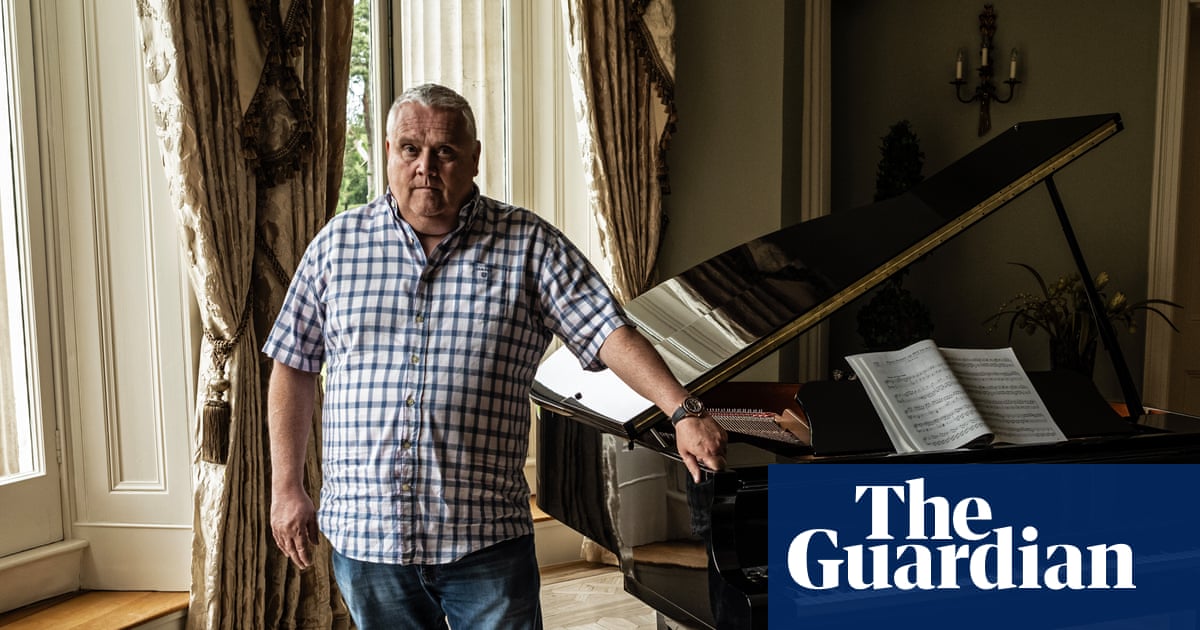
Inside the Controversial Ousting of a Used-Car Tycoon
The recent high-profile case surrounding Peter Waddell, the multimillionaire chief executive of Big Motoring World, raises significant questions about corporate governance, accountability, and the darker undercurrents of business rivalries. As details unfold in the High Court, we are witnessing a dramatic clash that blends elements of personal ambition, alleged misconduct, and strategic maneuvering by investors and competitors.
The Allegations and the Accusation of a “Coup”
Waddell, 59, finds himself embroiled in a bitter dispute with allegations of serious misconduct, including claims of making racist and sexist remarks. Most notably, he has been accused of referring to a Hindu colleague as “Hyundai,” a label that would undoubtedly raise eyebrows and spark outrage in any professional setting.
Despite these accusations, Waddell asserts that his removal from the company he built is the result of a concerted effort by “conspirators” aiming to undermine his position. His assertion is that the investigation into his conduct was a pretext for a much larger scheme orchestrated by private equity investors and rival business interests:
- Waddell alleges he was never interviewed during the investigation, indicating a lack of due process.
- He maintains that his majority shareholding in the business does not protect him from what he perceives as a “witch hunt.”
- The timing of the allegations coincides with a downturn in company performance, which Waddell believes triggered the coup.
Two Sides of the Story
On one hand, Waddell’s narrative presents him as a victim of a malicious plot. On the other hand, the defense argues that the allegations against him are serious and merit scrutiny. George Spalton KC, representing Freshstream, contends that Waddell’s claims are an attempt to divert attention from allegations of misconduct:
- Spalton emphasizes the credibility of multiple sources who have raised concerns about Waddell’s behavior.
- The defense suggests that Waddell’s portrayal of events ignores substantial evidence indicating his misconduct.
- They assert that the actions taken against him were in the best interest of the company and its employees.
The Broader Implications
This case is not just about one man’s fall from grace; it reflects larger themes in the corporate world:
- **Governance and Oversight**: The role of private equity in company management raises questions about investor influence and accountability.
- **Cultural Sensitivity**: Waddell’s alleged remarks highlight ongoing challenges regarding workplace culture and inclusivity.
- **Power Dynamics**: The intersection of personal ambition and corporate politics can create toxic environments where allegations serve as weapons in power struggles.
As the trial continues, the outcome could reshape not only Waddell’s future but also set precedents for corporate conduct and the treatment of executives accused of serious misconduct. It remains to be seen how this unfolding drama will conclude, but it certainly serves as a cautionary tale for business leaders everywhere.
For those interested in the details of this high-stakes legal battle, I encourage you to read the original news article here.