



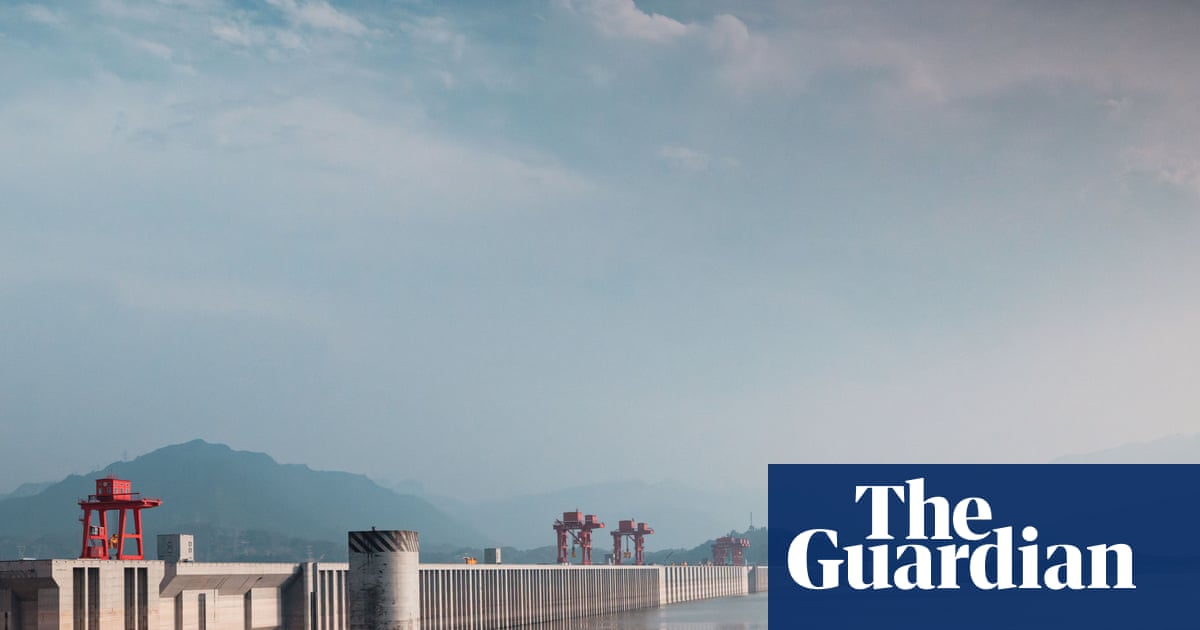
Yangtze River’s Ecological Recovery: A Glimmer of Hope
The Yangtze River, a vital artery in China that has faced 70 years of ecological decline, is now exhibiting encouraging signs of recovery. This change can largely be attributed to the implementation of a comprehensive fishing ban, which has been bolstered by innovative strategies rooted in evolutionary game theory.
Positive Developments in Freshwater Conservation
According to veteran biologist Sébastien Brosse from the University of Toulouse, this situation represents one of the most positive freshwater conservation stories he has encountered in two decades. His enthusiasm is palpable as he notes:
“It is really fantastic news. This is one of the first times we can say that government measures have not just worked, but have truly improved conditions.”
Impact of the Fishing Ban
A research team, including Brosse, conducted an analysis revealing the dramatic transformation of the Yangtze. Key findings include:
- Fish biomass has more than doubled since the ban was enacted.
- Several endangered species have shown signs of recovery.
- Specific improvements noted include a 13% increase in biodiversity.
- The population of the Yangtze finless porpoise increased from 400 to 600.
This promising news is reflected in the latest publication in the journal Science, raising hopes for a fragile but notable comeback of the river’s ecosystem.
Broader Environmental Context
Interestingly, this development coincides with reports that China’s carbon emissions have stabilized or even declined across major sectors in 2025. As the world’s largest emitter of greenhouse gases, China’s commitment to peak emissions by 2030 may be ahead of schedule.
Historical Context of the Yangtze River
It is essential to remember that the Yangtze River has been the site of significant ecological tragedies, including the extinction of the baiji dolphin due to pollution, damming, and unsustainable fishing practices. This history makes the current recovery efforts all the more critical.
Government Initiatives and Future Challenges
The fishing ban, initiated in 2021, was the result of calls from scientists who urged for systematic action to halt habitat degradation. The government invested approximately $3 billion to compensate about 200,000 fishers, a move designed to mitigate the socioeconomic impact of the ban.
However, despite these positive developments, challenges remain. The Yangtze and its wildlife are still vulnerable to human pressures. Key considerations include:
- Continued illegal fishing, particularly in the Gan tributary.
- Urgent improvements needed in water quality.
- Access for critically endangered species like the Chinese sturgeon to spawning grounds.
Conclusion: A Cautious Optimism
Overall, the recovery of the Yangtze River may signal a shift in the Chinese government’s approach to ecological threats, suggesting that large-scale restoration efforts can yield tangible benefits. This case should serve as a model for managing other distressed waterways, such as the Mekong River.
While we celebrate these achievements, continuous vigilance and robust conservation measures are essential for sustaining this progress.
For more in-depth information, please read the original news article here.