



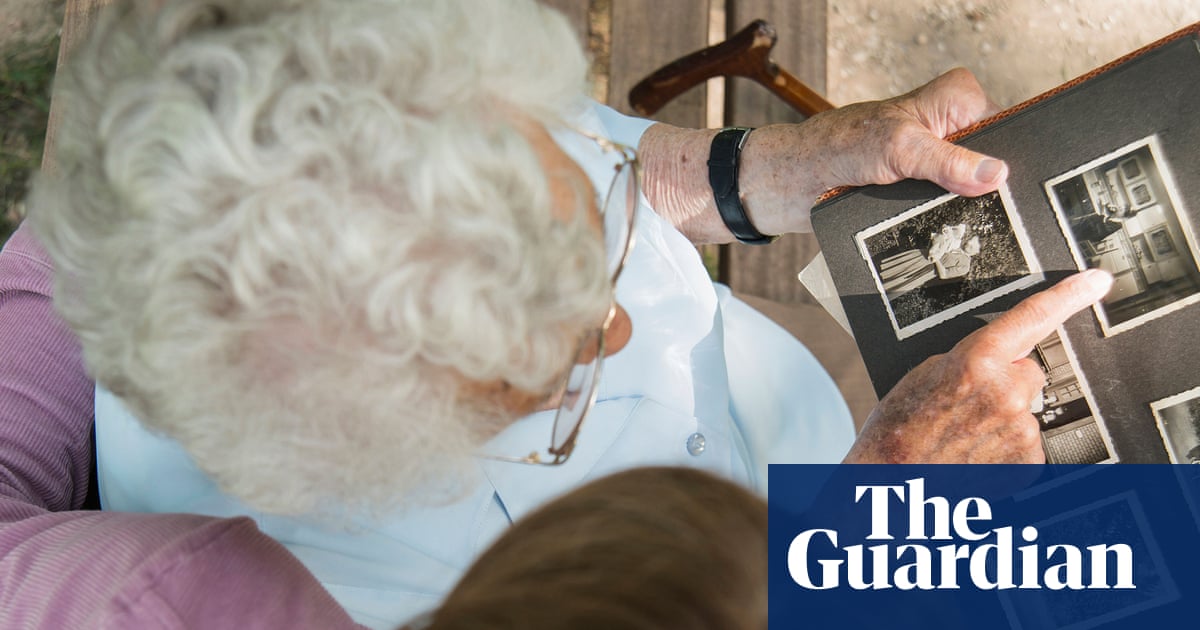
The Humanity Within Dementia: A Closer Look
In a poignant reflection on the experiences of those living with dementia, Jo Glanville’s recent commentary sheds light on a critical yet often overlooked aspect of this condition: the enduring humanity of individuals affected by dementia. This perspective is vital in challenging the misconceptions that surround the lives of these individuals, who are frequently dismissed as “lost” or “as good as dead.”
Understanding the Reality of Dementia
Reading Glanville’s insights reminded me of the profound truth that people living with dementia still possess their identities and emotions, even as their cognitive abilities decline. For instance:
- Personal Connection: The author recounts her mother’s life with vascular dementia, emphasizing that her mother was not merely a shell of her former self.
- Emotional Engagement: Activities such as reading aloud or playing music can evoke genuine responses and joy, reinforcing the idea that individuals with dementia should be engaged meaningfully.
- Awareness of Experiences: Even in advanced stages, individuals retain a sense of enjoyment from familiar activities, as demonstrated through shared moments of reading and music.
The Role of Creative Engagement
Another notable contribution comes from Matt Singleton, a gerontologist who has innovatively adapted storytelling for individuals with dementia. His approach emphasizes:
- Adaptation of Format: By creating illustrated rhyming books with audio components, Singleton has effectively bridged the gap between cognitive decline and the love for stories.
- Encouragement of Interaction: His work facilitates shared reading experiences, which can stimulate meaningful conversations and connections between individuals and their caregivers.
- Memorable Moments: Singleton shares touching anecdotes of his father recalling memories from the past, showcasing how creative engagement can spark joy and connection.
The Power of Music and Remembrance
Catherine Roome’s experience highlights another powerful tool in engaging those with dementia: music. Her recollection of singing with her sister during lockdown illustrates how:
- Music as a Memory Trigger: Familiar songs can evoke memories and emotions, providing a temporary escape from the confines of cognitive decline.
- Joyful Reconnection: These moments of shared music not only bring joy but also reinforce the importance of maintaining connections through familiar mediums.
Challenging Misconceptions
As Jane Linden points out, the perception of individuals with dementia as “dead” is not only flawed but dangerous. It opens the door to discussions about assisted dying, which threaten to undermine the dignity and rights of those who still experience life in their own way. This is a critical point in our ongoing dialogue about end-of-life care and the value of every human life.
In conclusion, the narratives shared by Glanville, Singleton, Roome, and Linden remind us that people living with dementia are more than their diagnosis. They possess a rich inner life filled with joys, interests, and moments of connection that deserve recognition and respect.
For a deeper understanding of this important topic, I encourage you to read the original article at the source: The Guardian.