



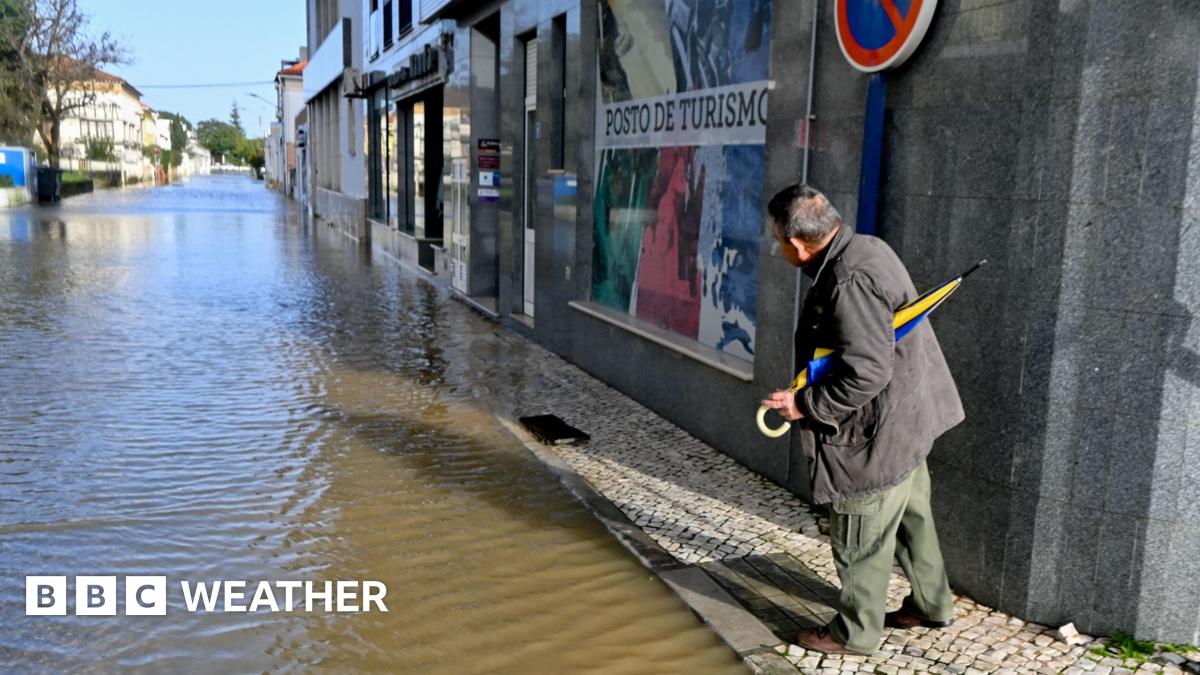
Severe Weather Hits North Africa: A Closer Look
The recent weather events in North Africa have been nothing short of alarming. With Tunisia experiencing its heaviest rainfall in over 70 years and Morocco facing unprecedented weather challenges, it’s crucial to analyze the implications of these natural disasters.
Rainfall and Flooding: A Crisis Unfolding
January has proven to be a month of extremes across the region, particularly in Morocco, which has been notably hard hit:
- Tunisia: Recorded its heaviest rainfall in over 70 years.
- Algeria: Experienced severe weather and flooding, leading to significant concerns for public safety.
- Morocco: The port city of Tangier saw rainfall levels four times higher than the January average.
Government Response and Evacuations
In light of the escalating crisis, the Moroccan government has taken decisive action:
- The military has been deployed to assist with evacuations.
- Over 140,000 individuals in northern Morocco have been evacuated due to the threat of further flooding.
- Authorities have issued urgent warnings to residents in flood-prone areas to evacuate immediately.
What Lies Ahead?
As Storm Marta approaches, further rain is expected, raising the urgency of the situation:
- Heavy rainfall is anticipated in northern Morocco and Algeria this upcoming weekend.
- The ongoing threat of swollen rivers and full dams exacerbates the risk of flooding.
Long-Term Implications
Interestingly, this exceptional rainfall has also brought an end to a seven-year drought that significantly impacted Morocco:
- Investments in desalination have been accelerated as a response to previous water scarcity.
- This shift may lead to a reevaluation of water management policies in the region.
As we observe the unfolding situation, it is clear that the repercussions of these weather events extend beyond immediate concerns, impacting infrastructure, public safety, and long-term resource management.
For more detailed information, I encourage you to read the original news article here.