



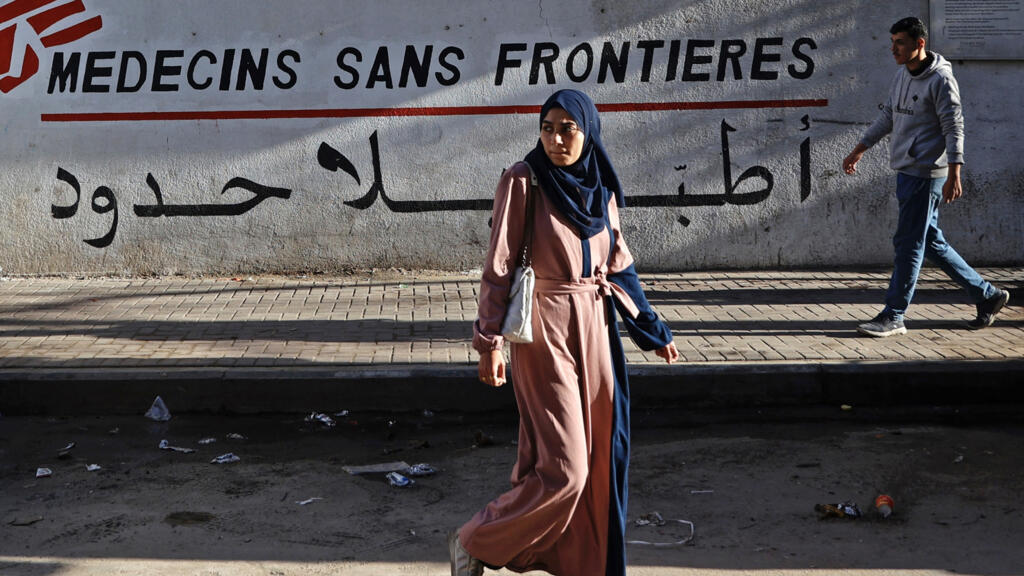
Israel Halts MSF Operations in Gaza: A Critical Analysis
In a significant and troubling development, Israel has announced the termination of operations by Doctors Without Borders (Medecins Sans Frontieres, MSF) in Gaza. The Israeli government cites MSF’s failure to provide a list of its Palestinian staff as the reason for this decision. However, this rationale raises serious questions about the implications for humanitarian aid in the region.
The Context of the Decision
MSF has responded to this announcement by labeling it a “pretext to obstruct humanitarian assistance.” This statement reflects a broader concern regarding the ongoing humanitarian crisis in Gaza and the access that aid organizations are afforded to operate effectively. The organization’s refusal to disclose the names of its staff is rooted in a demand for safety assurances from Israeli authorities, assurances that were reportedly not provided.
Key Points to Consider
- Humanitarian Access: The termination of MSF’s operations could severely impact the delivery of vital medical services to an already vulnerable population.
- Safety Concerns: MSF’s hesitance to share staff names underscores the precarious security situation for humanitarian workers in conflict zones.
- Political Implications: This move could be viewed as part of a broader strategy to limit international humanitarian involvement in Gaza.
- Impact on Aid Dynamics: The decision could set a precedent for how other humanitarian organizations operate in similar contexts, potentially leading to further restrictions.
My Thoughts
This situation is emblematic of the challenges faced by humanitarian organizations working in conflict areas. The refusal to guarantee safety for aid workers is a concerning development that may deter other organizations from attempting to provide assistance. The humanitarian needs in Gaza are immense, and any action that obstructs aid delivery should be scrutinized closely.
We must also consider the broader narrative at play. The intersection of politics and humanitarian efforts often leads to tragic outcomes where innocent lives are caught in the middle. It is crucial for all parties involved to recognize the importance of facilitating humanitarian assistance without political interference.
Conclusion
The halting of MSF’s operations in Gaza raises urgent questions about the future of humanitarian aid in the region. As the situation develops, it is imperative that we remain informed and advocate for the rights of those in need. The implications of this decision will likely resonate beyond the immediate context, influencing how similar organizations approach their work in conflict zones moving forward.
For those interested in a deeper understanding of this issue, I encourage you to read the original news article here.