



Strategic Alliance on Critical Minerals: A New Era for Transatlantic Relations
This week, a significant summit will convene in Washington, bringing together ministers from the US, EU, UK, Japan, Australia, and New Zealand to discuss a strategic alliance focused on critical minerals. This gathering is more than just a diplomatic meeting; it symbolizes an effort to mend transatlantic ties that have been strained in recent years, particularly during the tumultuous Trump administration.
Repairing Fractured Relationships
The backdrop of this summit is rooted in a year of conflict that has left many countries seeking ways to de-risk their economies from China’s dominance. The timing is crucial, as Australia has recently announced plans to establish a strategic reserve of A$1.2 billion (£610 million) for minerals deemed vulnerable to supply disruptions from China. This move follows China’s export restrictions on rare earths, which were implemented in response to tariffs imposed during the Trump era.
Key Takeaways from the Summit
- Participants: Approximately 20 countries, including G7 members and allies like India and South Korea, are expected to engage in discussions that could reshape global supply chains.
- Pricing Guarantees: One of the contentious topics on the agenda is the US’s potential guarantee of minimum prices for critical minerals. However, recent reports suggest that the US may not pursue this, which has caused some turbulence in the Australian stock market.
- Resilience Initiatives: Australia’s resources minister remains undeterred by the US’s decision, emphasizing that the country will continue to pursue its critical minerals reserve program.
- US Leadership: US Secretary of State Marco Rubio is leading the charge to bolster non-China supply chains, recognizing the vital role of these minerals in the economy and national security.
Challenges on the Horizon
While the summit aims to strengthen alliances, it is not without its challenges. The EU is pushing for the US to reconsider new global steel derivative tariffs, which could impose punitive levies on a wide array of products. The ongoing tensions surrounding these tariffs demonstrate the fragile nature of trade relations, especially as the Trump administration continues to navigate complex international agreements.
As one EU source aptly put it, “This is about trust.” The constant threat of tariffs creates an atmosphere of uncertainty that undermines the collaborative spirit necessary for a successful alliance.
The Importance of Critical Minerals
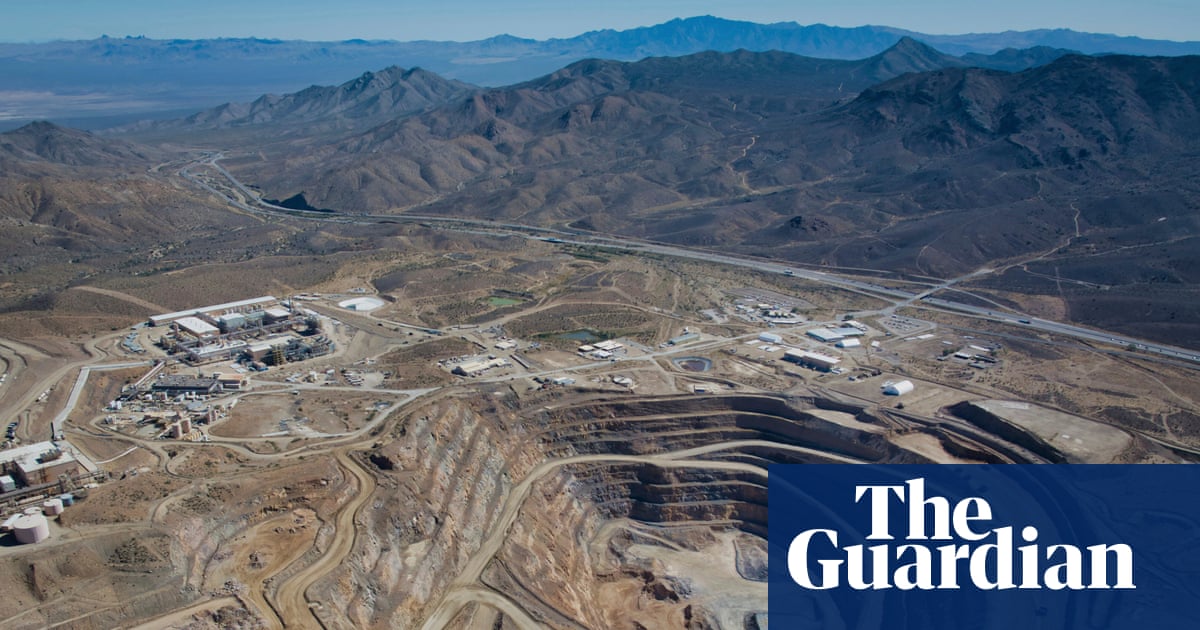
Critical minerals are not just a talking point; they are essential for modern manufacturing. From smartphones to fighter jets, these materials are integral to a wide range of technologies. Currently, Europe is heavily reliant on China for its supply of permanent magnets, with approximately 85% sourced from there. This dependency highlights the urgency of the discussions taking place in Washington.
Looking Ahead
If the talks yield a successful outcome, a joint statement could mark a pivotal shift in how allied nations approach their supply chains and economic security. As the world moves towards a more interconnected yet competitive future, the groundwork laid in this summit could have far-reaching implications.
In conclusion, the Washington summit represents a critical juncture for international relations and economic strategy. The outcomes of these discussions will be closely watched, not just for their immediate impact, but for their potential to reshape global trade dynamics in the years to come.
For further details, I encourage you to read the original news article at the source: The Guardian.