



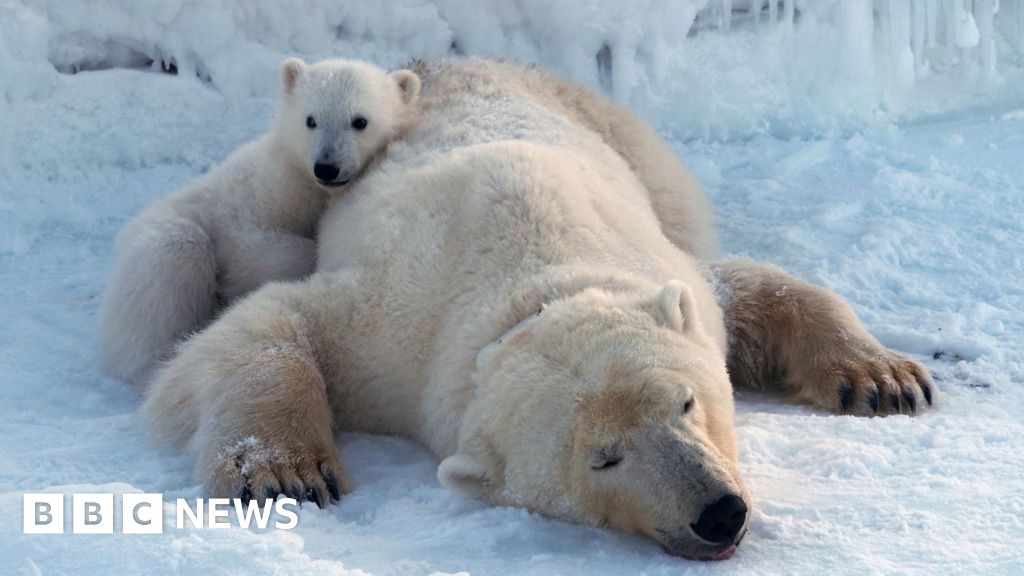
Adapting to Change: Svalbard Bears and Their Land-Based Diet
The ongoing climate crisis continues to reshape ecosystems around the globe, and recent findings regarding Svalbard bears highlight this undeniable truth. As ice loss accelerates in the Arctic, these majestic creatures are reportedly adapting by shifting their dietary habits. This development raises significant questions about survival and the resilience of wildlife in the face of environmental changes.
The Shift in Diet
Scientists have observed that Svalbard bears, traditionally reliant on seals and other marine prey, are increasingly turning to land-based options. This adaptation is a testament to their survival instincts, but it also underscores the broader implications of climate change on animal behavior and habitat.
- Increased Land-Based Prey: The bears are consuming more birds, eggs, and vegetation as sea ice diminishes.
- Impact on Ecosystem: This shift could alter the dynamics of land ecosystems, affecting both prey populations and other predators.
- Future Implications: The long-term effects of this dietary change on the bears’ health and reproductive success remain to be seen.
Implications of Ice Loss
The loss of sea ice is not just a local issue; it has global ramifications. The Arctic is warming at a rate nearly double that of the rest of the planet, leading to profound changes in wildlife behavior, migration patterns, and food availability.
- Climate Change Acceleration: The rapid pace of warming raises concerns about the sustainability of habitats for various species.
- Adaptation vs. Survival: While some species may adapt, others may face extinction, leading to a loss of biodiversity.
- Human Responsibility: Our actions play a critical role in the future of these ecosystems, highlighting the need for urgent climate action.
Conclusion
The adaptation of Svalbard bears to a changing environment serves as a poignant reminder of nature’s resilience but also of the consequences of climate change. As we witness these transformations, it is crucial for us to reflect on our role in this ongoing narrative. Protecting wildlife and their habitats should be a priority as we navigate the complexities of a warming world.
For a deeper understanding of the research and its implications, I encourage you to read the original news article here.