



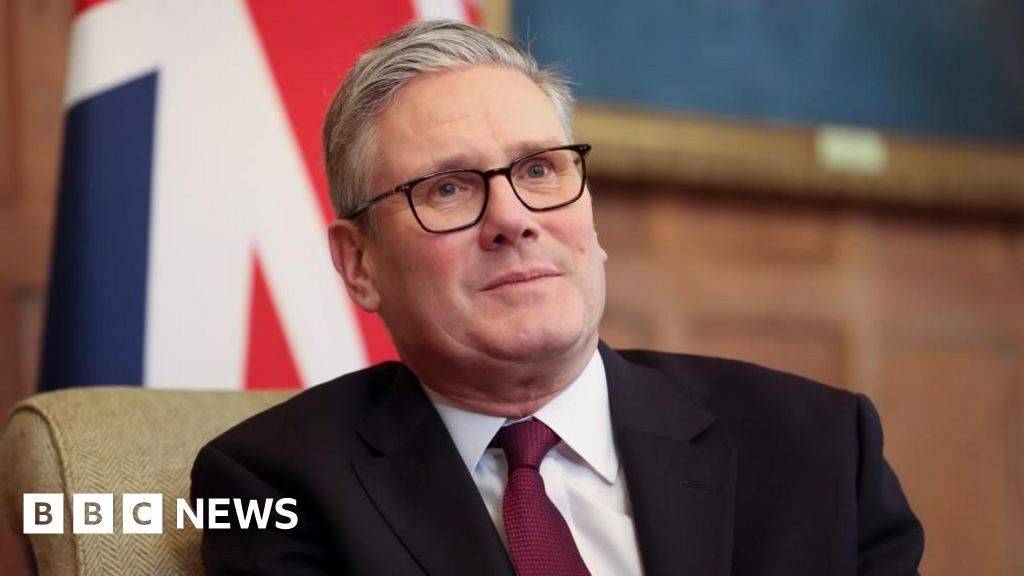
Sir Keir Starmer’s Historic Visit to China
As Sir Keir Starmer embarks on his historic journey to Beijing—the first by a British prime minister since 2018—this trip signifies a pivotal moment in the UK’s diplomatic landscape. The prime minister is set to meet with President Xi Jinping, and this encounter carries substantial weight in the ongoing effort to recalibrate the UK’s relationship with China.
The Context of the Visit
- Starmer is accompanied by around 60 leaders from British business and culture, including representatives from major firms like HSBC, GSK, and Jaguar Land Rover.
- The visit arrives amid criticisms regarding China’s human rights record and its aggressive espionage activities within the UK.
- Downing Street has emphasized the importance of engaging with China, even amidst stark ideological differences.
Critics voice valid concerns regarding China’s vastly different worldview, questioning the trustworthiness of the Communist Party. There is an underlying fear that the UK could be compromising its values for economic gain. The juxtaposition of business interests and ethical considerations creates a complex backdrop for this diplomatic engagement.
Human Rights and National Security Concerns
When asked if human rights abuses would be a topic of discussion, Downing Street’s response suggested that challenging issues would indeed be addressed. Notably:
- China faces allegations of crimes against humanity in Xinjiang against the Uyghur population.
- Concerns have also been raised regarding the treatment of Jimmy Lai, the pro-democracy media tycoon in Hong Kong.
- Espionage threats from Chinese state operatives have been underscored by MI5, indicating a tangible risk to national security.
These issues spotlight a critical tension between diplomatic engagement and the moral imperative to address human rights violations. Starmer’s commitment to “engaging even where we disagree” reflects a pragmatic approach to foreign policy, yet it raises the question: at what cost?
Strategic Realignment or Isolationism?
Starmer has articulated a vision of moving away from what he describes as a dogged inconsistency in the UK’s approach to China. He argues that:
- Strategic re-engagement with China is essential for the UK’s economic interests.
- The UK risks becoming an “outlier” among Western economies if it isolates itself from China.
- Other global leaders, including Canadian Prime Minister Mark Carney and French President Emmanuel Macron, have recently made similar visits, reinforcing the importance of these relationships.
This perspective raises significant debate about the future of UK-China relations. While economic pragmatism is crucial, one must ask: can engagement be achieved without sacrificing fundamental values?
Domestic Reactions and Future Implications
The domestic response has not been uniform. Conservative shadow foreign secretary Priti Patel has voiced strong opposition, claiming that Starmer’s approach signifies a capitulation to the Chinese Communist Party. She articulates concerns that:
- The new Chinese embassy in London symbolizes a growing influence that could threaten UK national security.
- Starmer’s visit lacks sufficient leverage to confront China effectively.
These criticisms highlight a broader unease within the UK about how best to engage with a nation that poses both economic opportunities and significant challenges. As Starmer prepares for his meetings in Beijing, the upcoming discussions will undoubtedly shape public perception and political discourse regarding the UK’s foreign policy trajectory.
In conclusion, while Starmer’s visit to China is framed as a necessary step towards re-engagement, it is imperative that the UK navigates this complex relationship with caution and resolve. The balancing act between economic interests and ethical considerations will be pivotal in defining the future of UK-China relations.
For a more in-depth look at this unfolding story, I encourage you to read the original news article here.