


Insights on Superagers: A Look into Healthy Ageing
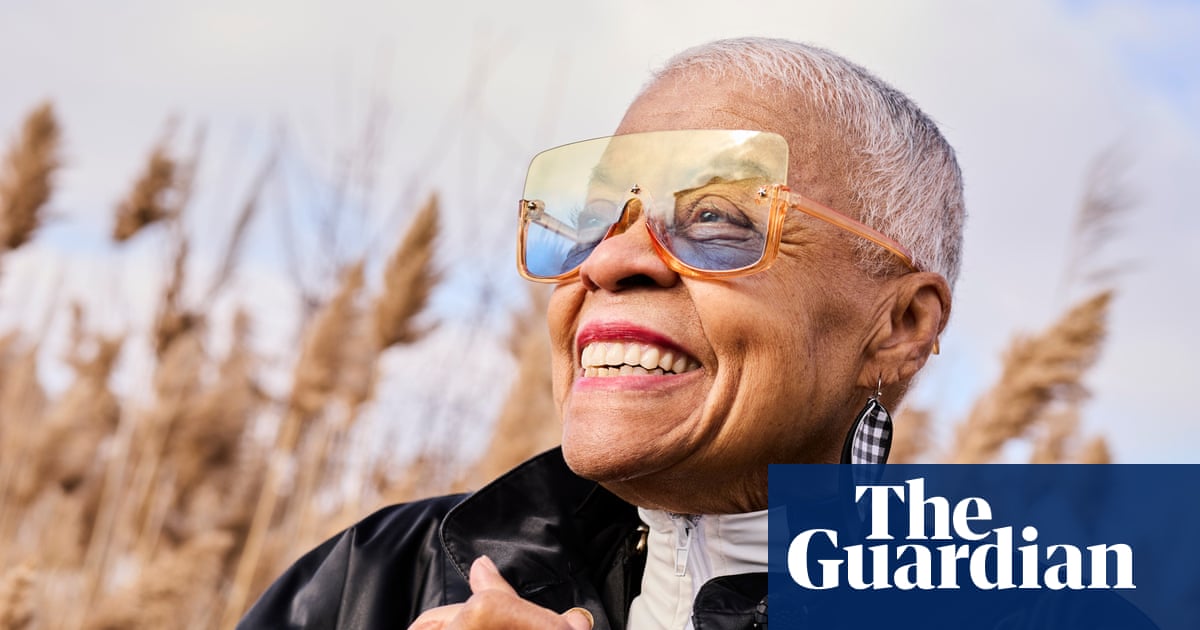
As we delve into the fascinating world of superagers—individuals over 80 who exhibit cognitive abilities comparable to much younger adults—we’re greeted with inspiring stories and valuable insights. One such individual is Lajuana Weathers, a vibrant 89-year-old who embodies the spirit of healthy living. Her morning routine includes celery juice, daily meditation, and a commitment to physical activity, making her a prime example of what it means to thrive in later life.
The Concept of Superaging
The term “superager” is not merely a buzzword but a scientifically recognized designation. Superagers, like Weathers, participate in the SuperAging Research Initiative at the University of Chicago, where they undergo rigorous assessments to evaluate their cognitive prowess. This initiative aims to unravel the secrets behind their exceptional cognitive health, which could potentially benefit the broader population.
Life Expectancy and Healthspan
- Current statistics show life expectancy is on the rise, with recent projections indicating that children born in the UK in 2023 could live to 86.7 years for boys and 90 years for girls.
- This shift has sparked a growing interest in healthspan—the duration of life spent in good health—over mere lifespan.
- Understanding what enables some individuals to age gracefully is critical for enhancing health outcomes for future generations.
The Research Behind Superagers
Enrolling in the SuperAging Research Initiative is no small feat; it involves extensive assessments that include cognitive tests, MRI brain scans, and blood tests. Dr. Emily Rogalski, the initiative’s director, explains the goal is to gather data across various factors—genetic, lifestyle, and psychosocial—to understand what contributes to exceptional cognitive ageing.
The findings so far suggest a commonality among superagers: they often lead active social lives and engage in regular physical activity. This consistent engagement is crucial for maintaining cognitive resilience.
Personal Stories of Superagers
Weathers is not alone in her journey. Ralph Rehbock, a 91-year-old superager, leads a similarly active life, sharing his experiences as the first vice-president at the Illinois Holocaust Museum and managing a social group for retirees. His commitment to social connection and continuous learning highlights the importance of engagement in later life.
Similarly, Ina Koolhaas Revers, a 78-year-old powerlifting champion, defies age norms by competing at levels akin to much younger athletes. Her story underscores the significance of physical fitness and its correlation with brain health.
Key Takeaways for Healthy Ageing
- Engagement in social activities and maintaining strong interpersonal relationships are vital for cognitive health.
- Physical activity, whether through structured exercise or daily routines, plays a crucial role in preserving function and health.
- A balanced diet, rich in nutrients and low in processed foods, is fundamental for overall wellbeing.
- Mindfulness and a positive attitude towards life can significantly enhance one’s quality of life.
The overarching theme among these superagers is their refusal to accept age as a limitation. They demonstrate that a proactive approach—embracing challenges, staying socially connected, and fostering a positive mindset—can lead to a fulfilling and active life well into old age.
To learn more about the incredible stories of superagers and the ongoing research into healthy ageing, I encourage you to read the original article here.